
Research on Interactive Video Among Biology Students
The use of video as a self-paced e-learning medium has become standard practice in corporate training programs and higher education.

Theoretical Foundations of Interactive Learning Video
The use of video as a self-paced e-learning medium has become standard practice in corporate training programs and higher education. To address learner passivity during long-form video viewing, many Learning & Development practitioners have started adopting video formats built around branching scenarios.
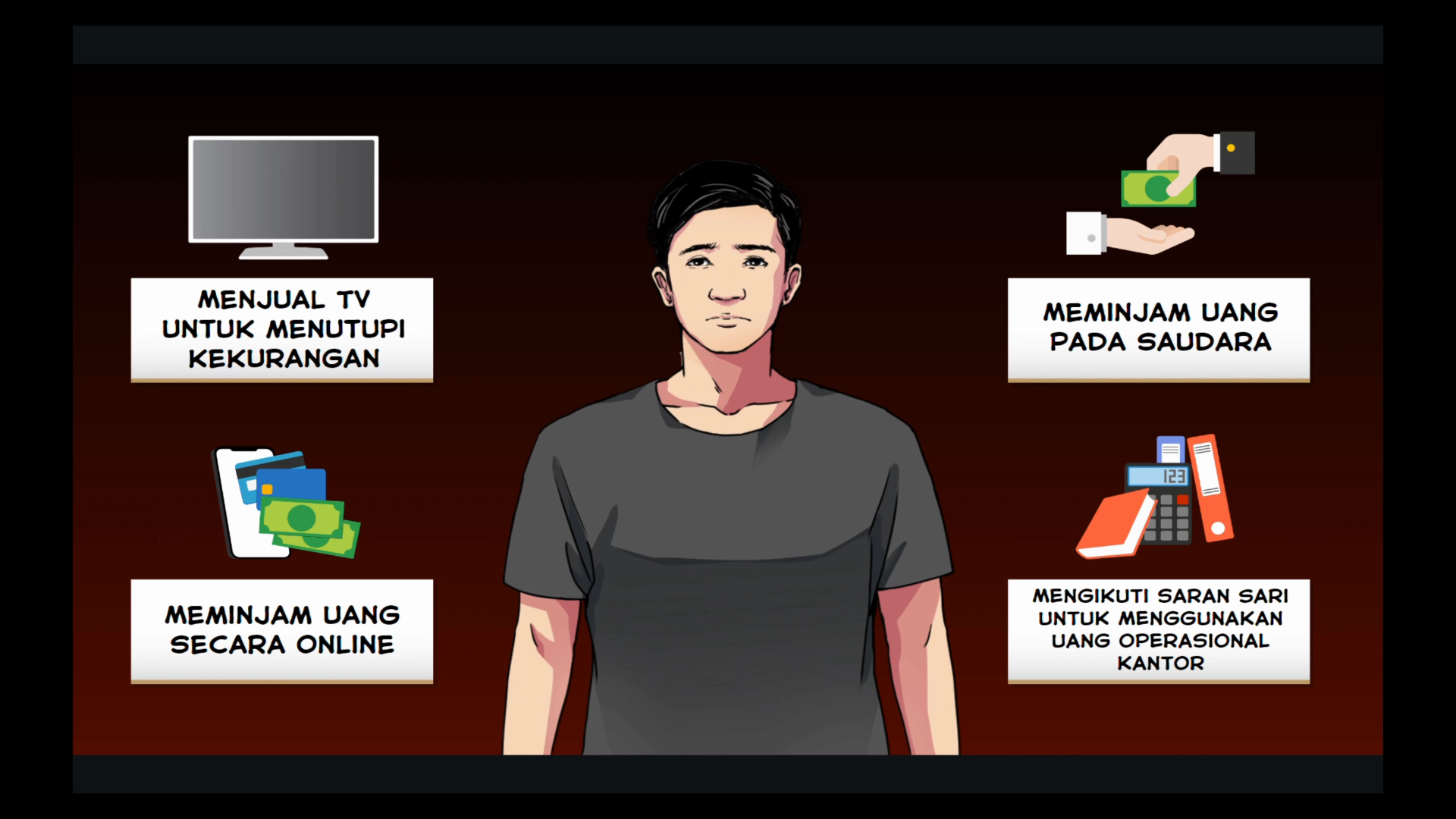
Through this format, learners actively make decisions at each branching point that can shape the storyline, so the ending they reach can differ and its consequences feel more tangible.
Theoretically, the use of multimedia-based video is rooted in Dual Coding Theory (Paivio, 1969), which holds that the human brain processes visual and audio information through two independent yet complementary channels. When visual elements and audio narration are presented together, cognitive processing works more effectively.
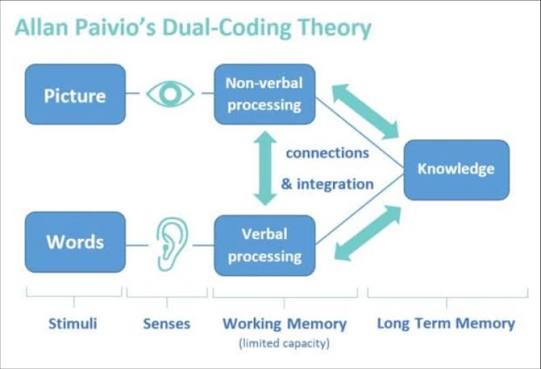
However, Cognitive Load Theory (Sweller) and the Cognitive Theory of Multimedia Learning (Mayer, 2014) caution that human working memory has very limited capacity. Cognitive load itself breaks down into three main components:
- Intrinsic Load: The natural mental burden that comes from the inherent difficulty of the material itself.
- Extraneous Load: Wasted mental effort caused by poorly structured delivery of material or distracting navigation elements.
- Germane Load: Productive mental processing dedicated to building deep understanding and integrating new information into long-term memory.
Based on the ICAP framework (Interactive, Constructive, Active, Passive) by Chi & Wylie (2014), shifting video viewing from a passive mode to an interactive one aims to push learners toward constructive and interactive levels of processing.
Learners are required to analyze scenario parameters, anticipate outcomes, and make decisions based on their prior knowledge. That said, implementing a branching video architecture without accounting for the type of material being presented often ends up triggering counterproductive cognitive load instead.
Workflow Integration & AI Personalization
To empirically test the effectiveness of branching interactive video, a scientific study titled “Redefining online biology education: a study on interactive branched video utilisation and student learning experiences“ was conducted by Lacey, Francis, & Smith (2024) at Sheffield Hallam University and Cardiff University.
This multi-cohort study involved undergraduate and postgraduate students in biosciences modules, comparing the use of standard linear video against branching interactive video.
The Learning Gains Paradox
Quantitatively, both linear and branching video produced significant improvements in multiple-choice test (MCQ) scores between pre-test and post-test. However, when the effectiveness of the two formats was compared directly, branching interactive video did not show a significantly higher learning-gain advantage over standard linear video.
Quantitatively, this research found that both linear and branching video succeeded in significantly improving learners' grasp of the material when comparing pre-test and post-test results. However, when the two formats were compared against each other, branching interactive video did not produce a higher learning-outcome advantage than standard linear video.
- Foundational Concept Learning (Cohort 1): For introductory concepts such as Cell Biology, the group watching linear video and the group using branched video both saw significant score gains. However, the improvement in learning outcomes between the two groups showed no statistically meaningful difference.
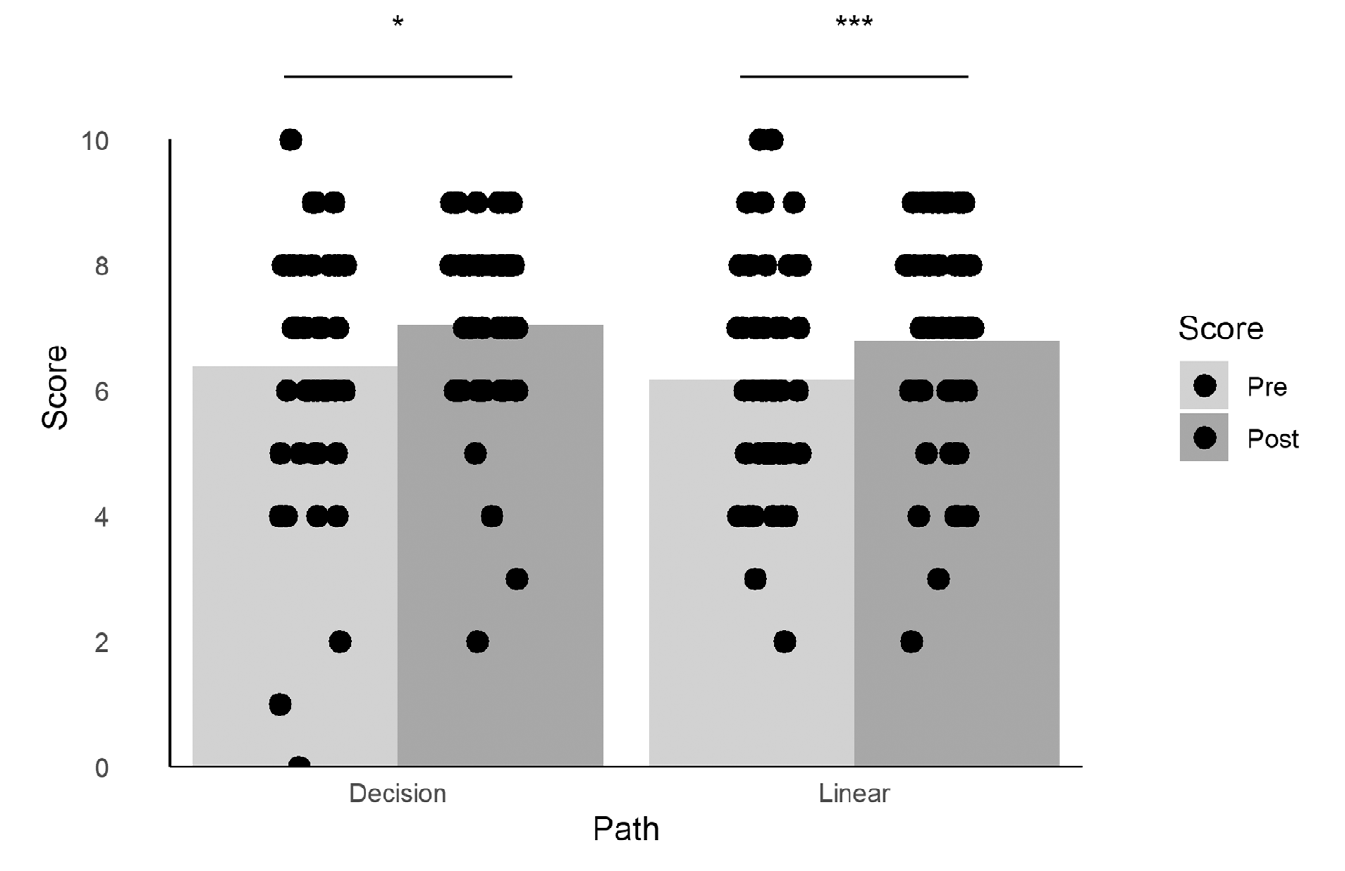
- Problem-Solving Simulation (Cohort 3): For case-study-based material such as Protein Purification, both formats again recorded improved comprehension, but the interactive format still failed to produce a higher score advantage than the linear format.
From a cognitive standpoint, this parity occurs because the test evaluations focused on mastery of declarative knowledge and factual recall. As long as both video formats presented identical facts, visual charts, and technical explanations, learners in both groups received enough of a knowledge base to answer the test correctly.
Engagement and Perceived Value Surge in Problem-Solving Scenarios
Although there was no difference in factual-knowledge test scores, learner perception and engagement shifted dramatically depending on where the video was placed within the curriculum.
When the interactive video was shifted from introductory material to scenario-based problem-solving practice (Cohort 3), perceived usefulness of the module jumped to 93% and engagement reached 87%.
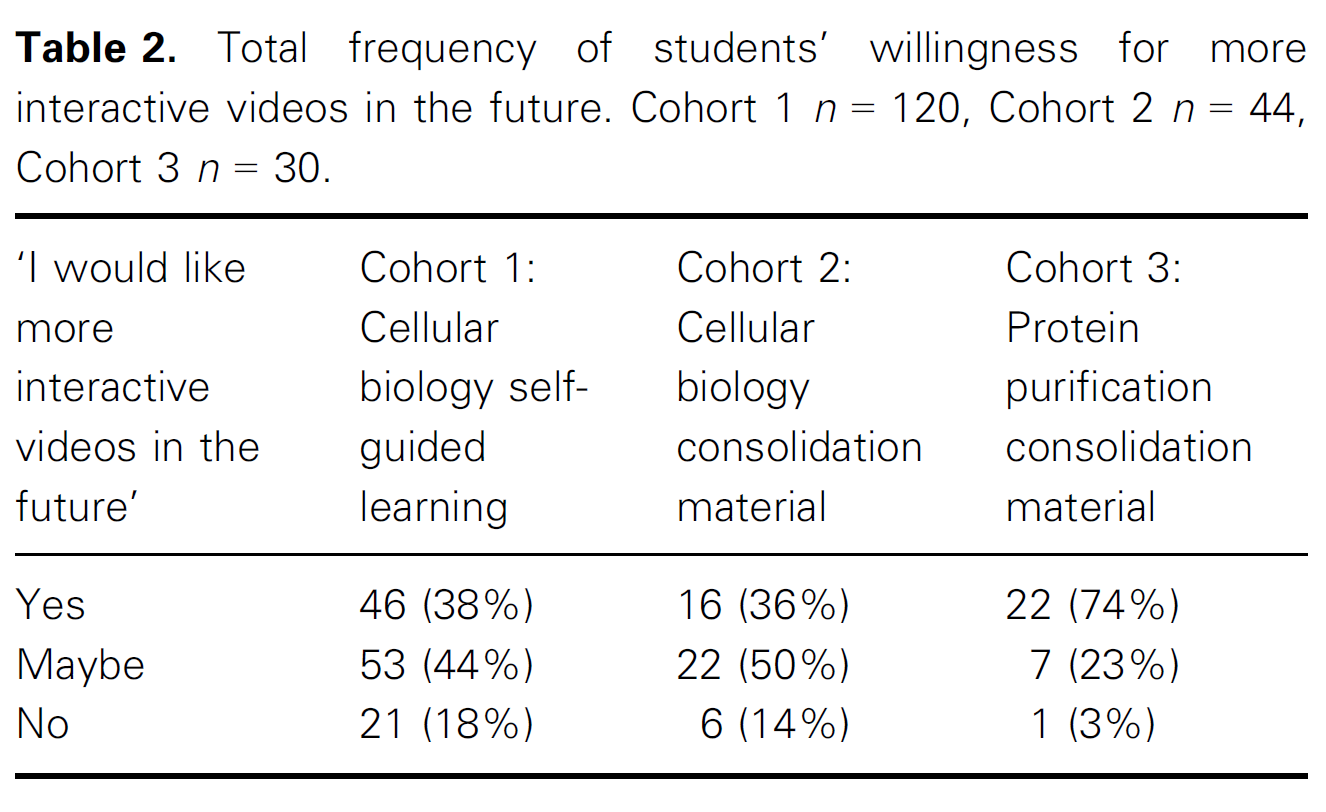
In fact, when asked about their interest in using interactive video in the future, 74% of Cohort 3 participants expressed strong agreement (compared to just 38% in Cohort 1), while outright rejection dropped to 3%.
Monkey Melody understands that every company faces different challenges and goals.
That's why we offer a tailored approach to ensure every video we create achieves its intended training outcome. Ready to transform your company's training materials into effective learning videos or interactive videos?
Contact Monkey Melody now via WhatsApp at +62 812-1954-8155, email info@monkeymelody.com, or through the link below.
More insights
The Science Behind Why Microlearning Works
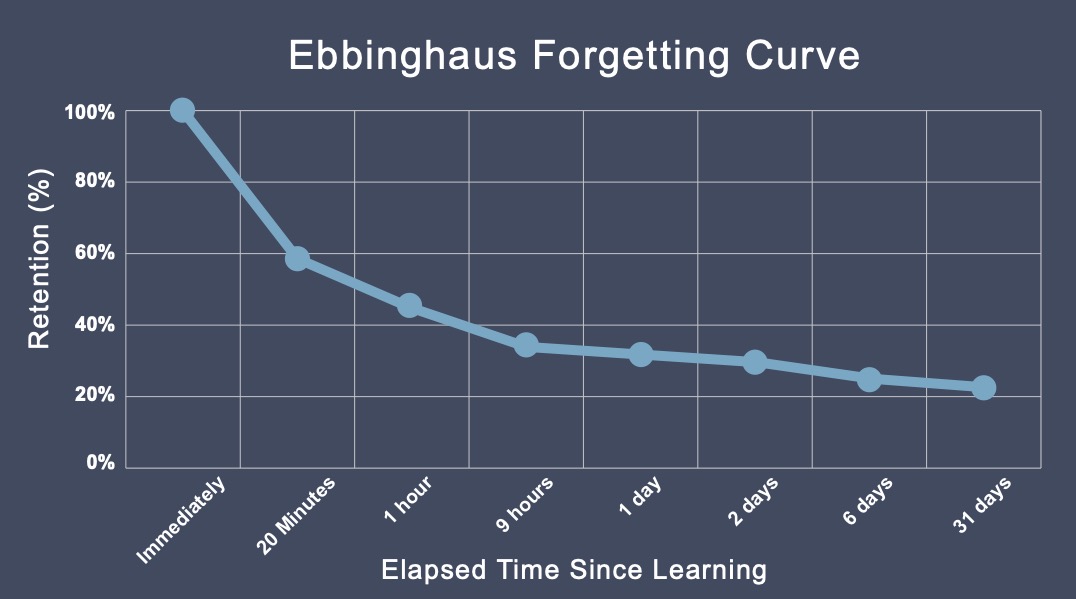
A single long training day often fails because it fights how the brain actually works — see how microlearning, the Forgetting Curve, and spaced repetition make material actually stick.

How AI Video Search Is Transforming Corporate L&D
Thousands of hours of training video pile up in your company's LMS, hard to search once a program ends — see how AI Video Search is changing the way L&D teams find specific moments buried in that dark data.
Accelerating Employee Readiness for High-Risk Situations Through Simulation
In high-risk industries such as electricity, aviation, energy, and heavy manufacturing, a small mistake on the ground can trigger a range of serious consequences…
Want the short version, applied to your company?
Let's talk about what this means for you.
Get in touch