
The Science Behind Why Microlearning Works
A single long training day often fails because it fights how the brain actually works — see how microlearning, the Forgetting Curve, and spaced repetition make material actually stick.

Why the Human Brain Is Built for Micro Units
Many companies allocate large budgets to run long-duration employee training. The most common example is a workshop held over just a few days. Workshops tend to get packed with hours of material back to back, to make the most of the resources spent on them.
The weakness of this approach is a mismatch between the format and how the human brain actually works biologically. Hermann Ebbinghaus ran research that revealed the Forgetting Curve phenomenon.
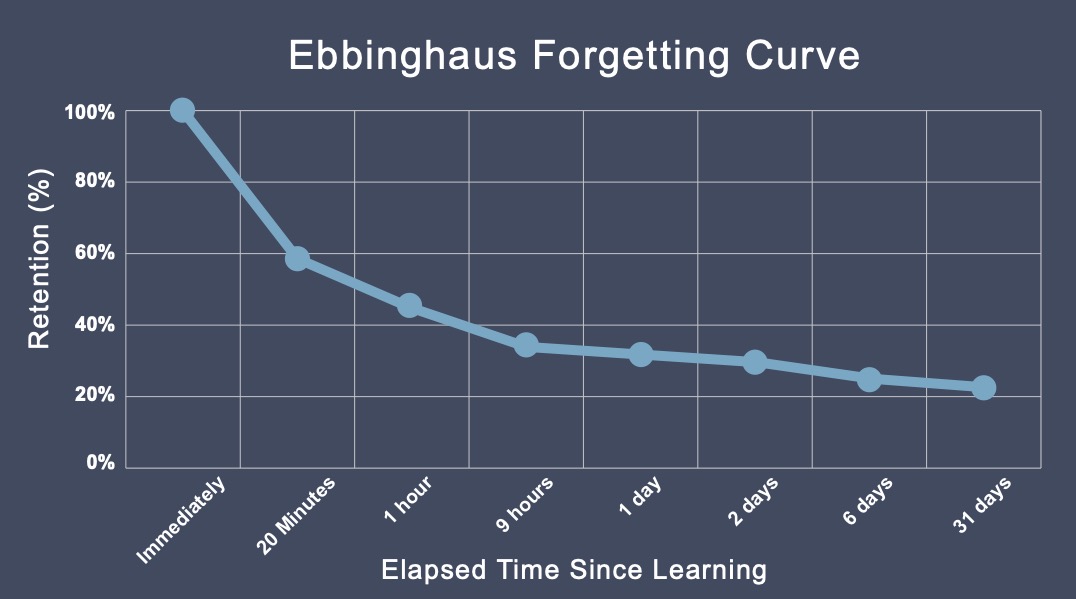
The curve shows that without structured reinforcement, the human brain forgets an average of about 50% of new information within just 1 hour, 70% within 24 hours, and up to 90% within a week.
This is where microlearning comes in. Microlearning is a structured instructional design approach that delivers material in short, focused bursts, where each unit targets one specific learning objective.
The Microlearning approach is grounded in the biological limits of human working memory. Working memory has a very limited capacity. According to Miller's Law, the brain can only actively process 5 to 9 separate units of information at a time.
When corporate training bombards employees with dozens of concepts at once, the result is cognitive overload. The brain is forced to keep sorting through information continuously, which means it fails to commit any of it to long-term memory.
On top of that, one-off training approaches almost always fail to build long-term retention. Microlearning draws on the principle of Spaced Repetition — delivering material at systematically calculated intervals to jog memory right as the retention curve starts to drop.
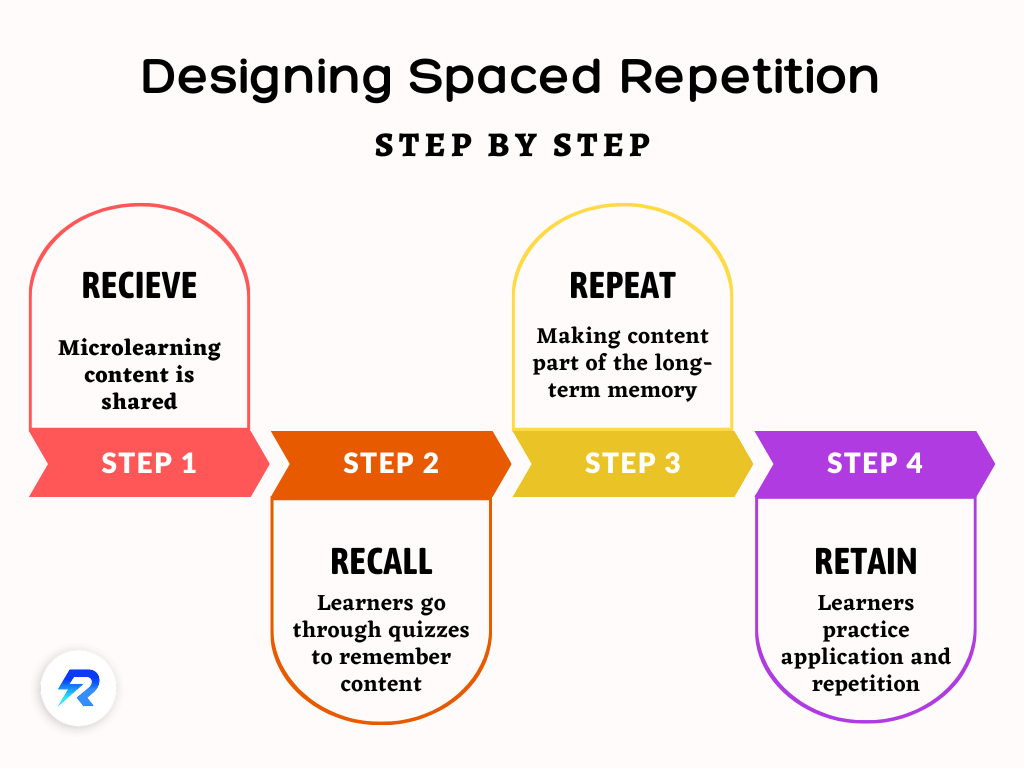
From a neuropsychological standpoint, completing one short 3-to-5-minute microlearning module delivers an instant sense of accomplishment. That moment of success triggers the release of dopamine, the hormone responsible for motivation and reinforcing positive behavior.
Workflow Integration & AI Personalization
Modern learning technology has pushed microlearning well past static modules sitting inside an LMS. Microlearning now shows up adaptively, built into the everyday flow of work.
1. Just-in-Time Learning: Weaving Modules into the Work Routine
Delivering a micro module exactly when it's needed turns L&D into an ongoing operational support system rather than a one-time event. Here are a few examples of what that looks like in practice.
- Retail & Field Teams: A 2-minute quiz module checking safety policy or a new product's SOP, taken right before a shift starts.
- Sales Teams: A 3-minute micro video on a product update, watched moments before a client call.
2. Adaptive AI Scheduling: Automating Interval and Pace
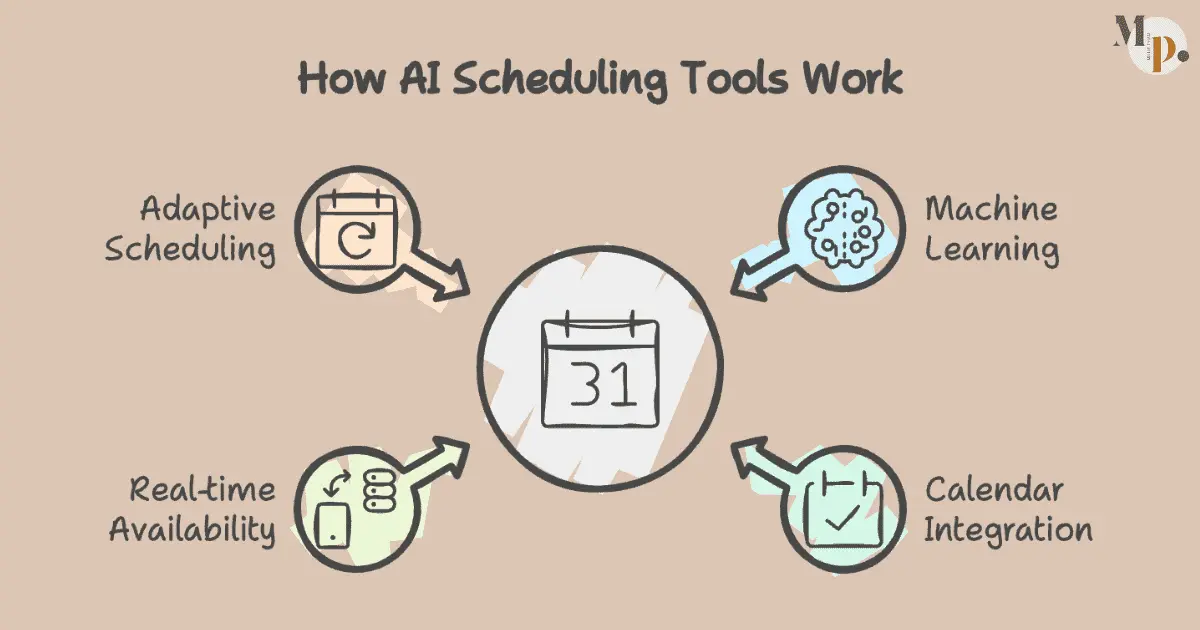
Real-time AI algorithms make it possible to personalize each employee's repetition interval. The AI analyzes an individual's answer history and level of understanding, then automatically adjusts the delivery schedule for reinforcement modules.
Employees who have already mastered a concept don't waste time repeating the same material, while employees who need extra reinforcement get targeted intervention without adding to cognitive overload.
Monkey Melody understands that every company faces different challenges and goals.
That's why we offer a tailored approach to ensure every video we create achieves its intended training outcome. Ready to transform your company's training materials into effective learning videos or interactive videos?
Contact Monkey Melody now via WhatsApp at +62 812-1954-8155, email info@monkeymelody.com, or through the link below.
More insights
Research on Interactive Video Among Biology Students
The use of video as a self-paced e-learning medium has become standard practice in corporate training programs and higher education.
How AI Video Search Is Transforming Corporate L&D
Thousands of hours of training video pile up in your company's LMS, hard to search once a program ends — see how AI Video Search is changing the way L&D teams find specific moments buried in that dark data.
Accelerating Employee Readiness for High-Risk Situations Through Simulation
In high-risk industries such as electricity, aviation, energy, and heavy manufacturing, a small mistake on the ground can trigger a range of serious consequences…
Want the short version, applied to your company?
Let's talk about what this means for you.
Get in touch