
3 Interactivity Formats to Make Your Material More Engaging
One of the media that supports training and self-directed learning within a company is learning video, especially video that uses engaging visuals and animation. Beyond…

Interactive Video to Boost Engagement
One of the media that supports training and self-directed learning within a company is learning video, especially video that makes use of engaging visuals and animation. Beyond simply being more eye-catching, learning video lets employees learn whenever suits them, without needing to work around a rigid schedule. Even so, video on its own isn't always enough to meet learning needs across every context.
Visuals and animation in video certainly help explain a topic clearly. But without active participation, learning tends to flow in one direction only. As a result, some participants end up as passive viewers who don't absorb the information very deeply.
Overcoming that limitation calls for a learning experience that makes room for interaction and invites participants to get involved. The hope is that attention stays sharper and comprehension improves. According to a 2024 global survey by Kaltura, 55% of education professionals consistently use interactive quizzes in digital learning. And this trend is increasingly making its way into the corporate world too.
But does interactivity have to mean quizzes? It turns out there are plenty of other options. Ultimately, the right interactivity format depends on the learning objective. A case study, for instance, can be packaged as a branching story containing decision points, where participants are pushed to think critically and make an appropriate call.
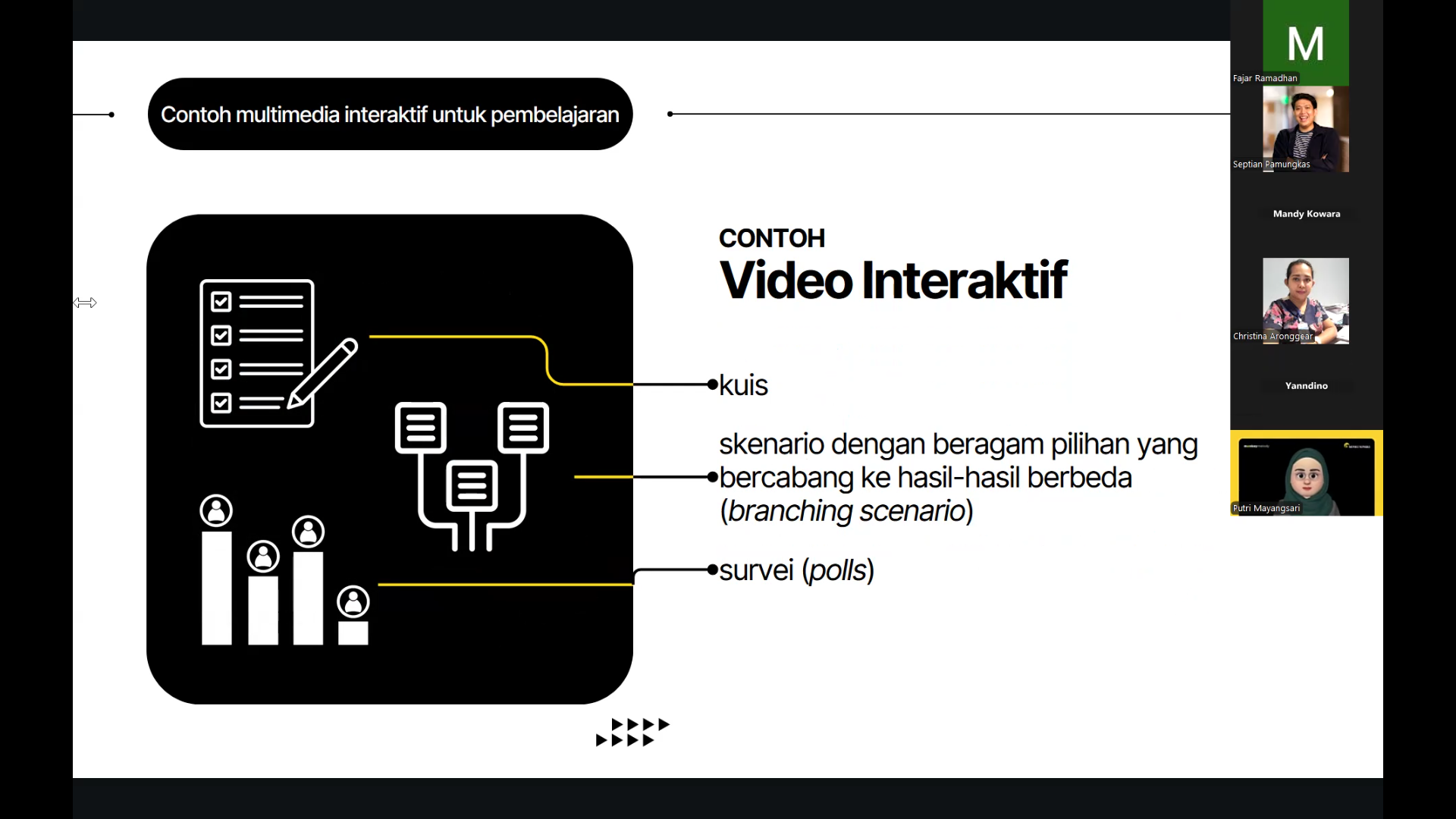
Interactive technology in learning videos delivers substantial benefits, particularly in improving information retention, engagement, and employee comprehension of the material being delivered. This matters because the more engaged employees are in their learning, the more likely they are to understand and remember the material.
A number of tools can support interactivity. One of the simplest is H5P, an open-source platform that lets users create, share, and use interactive content online. With H5P, interactive content such as quizzes, presentations, interactive video, and educational games can be built even with limited programming skills.
Example Formats for Packaging Learning Material
H5P offers a huge range of formats for different needs. Simple quiz formats like drag-and-drop and fill-in-the-blank can be used to test participants' comprehension. And they don't always have to sit at the end—H5P lets us insert quizzes at various points throughout a video. With the right planning, we can deliver a genuinely engaging interactive learning experience using nothing more than simple quizzes.
That said, if you want something more distinctive, H5P has plenty to offer there too. Among its many interactive content types, three stand out for packaging learning material in a way that's far from boring: Interactive Book, Timeline, and Branching Scenario.
- Interactive Book
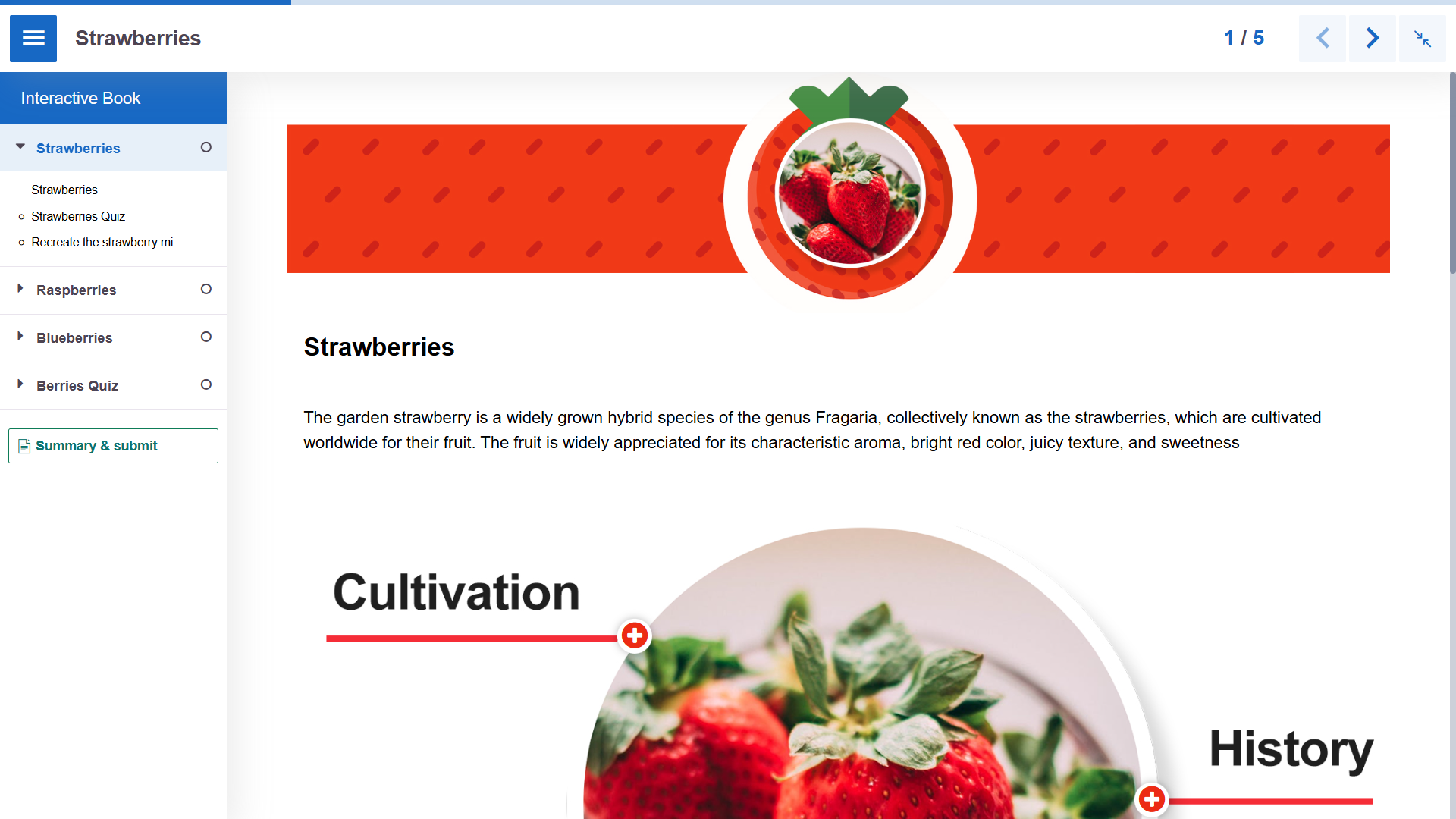
Picture a digital book that doesn't just contain text, but brings together a range of learning media—video, quizzes, even presentations. That's what Interactive Book does. With this format, large volumes of training material can be organized neatly into a module split across several pages. Participants can then work through it at their own pace, without feeling overwhelmed. Its strength lies in bringing every learning resource into one place, while its interactive features make the experience more engaging and more memorable.
- Timeline
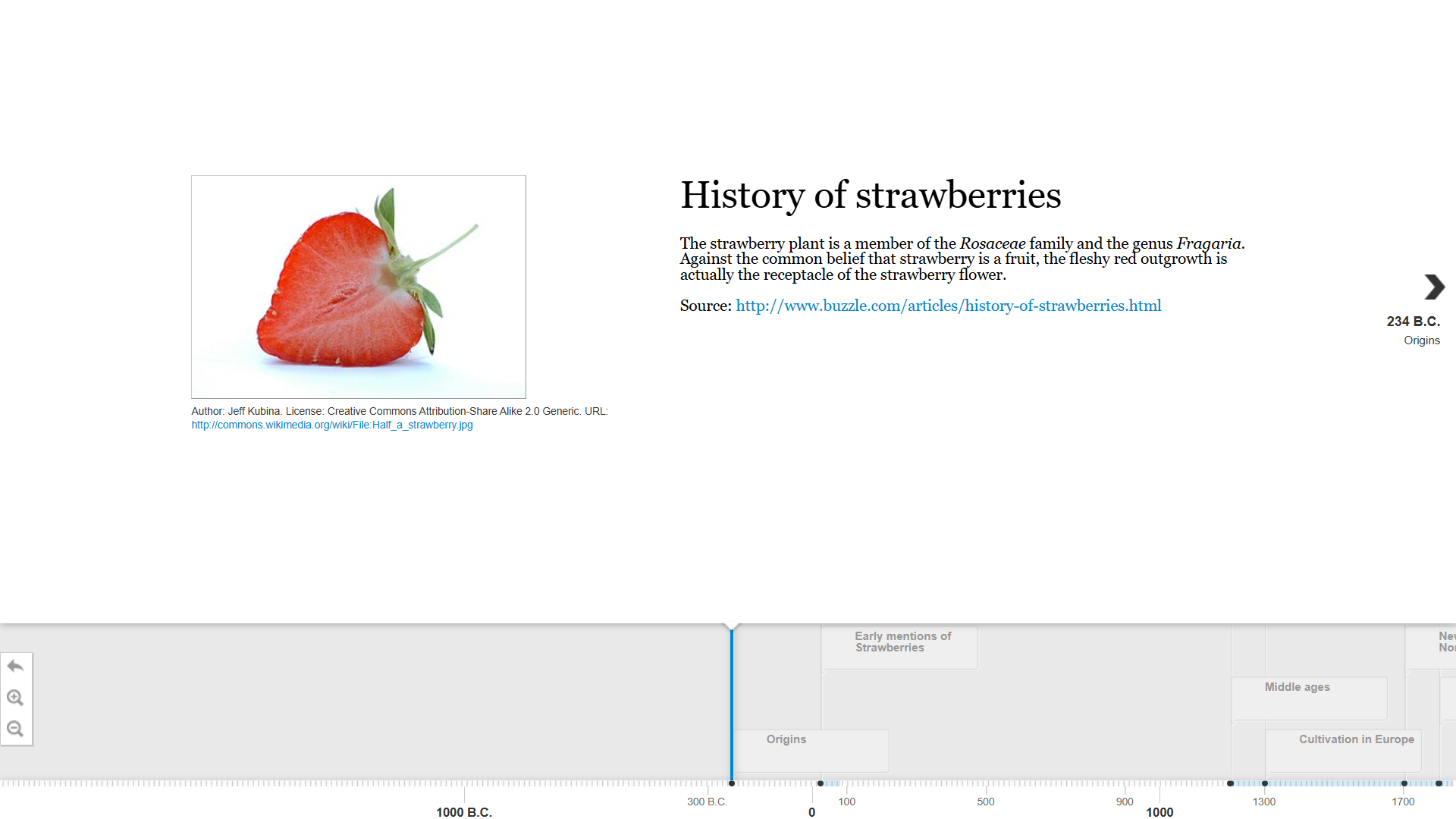
When a topic calls for an explanation built around a sequence of events, Timeline is the right choice. This content type presents an interactive timeline that can be used to lay out history, a process, or a chain of events in order. The result: participants find it easier to understand how time and events connect, while also getting a clearer picture of the material as a whole.
- Branching Scenario
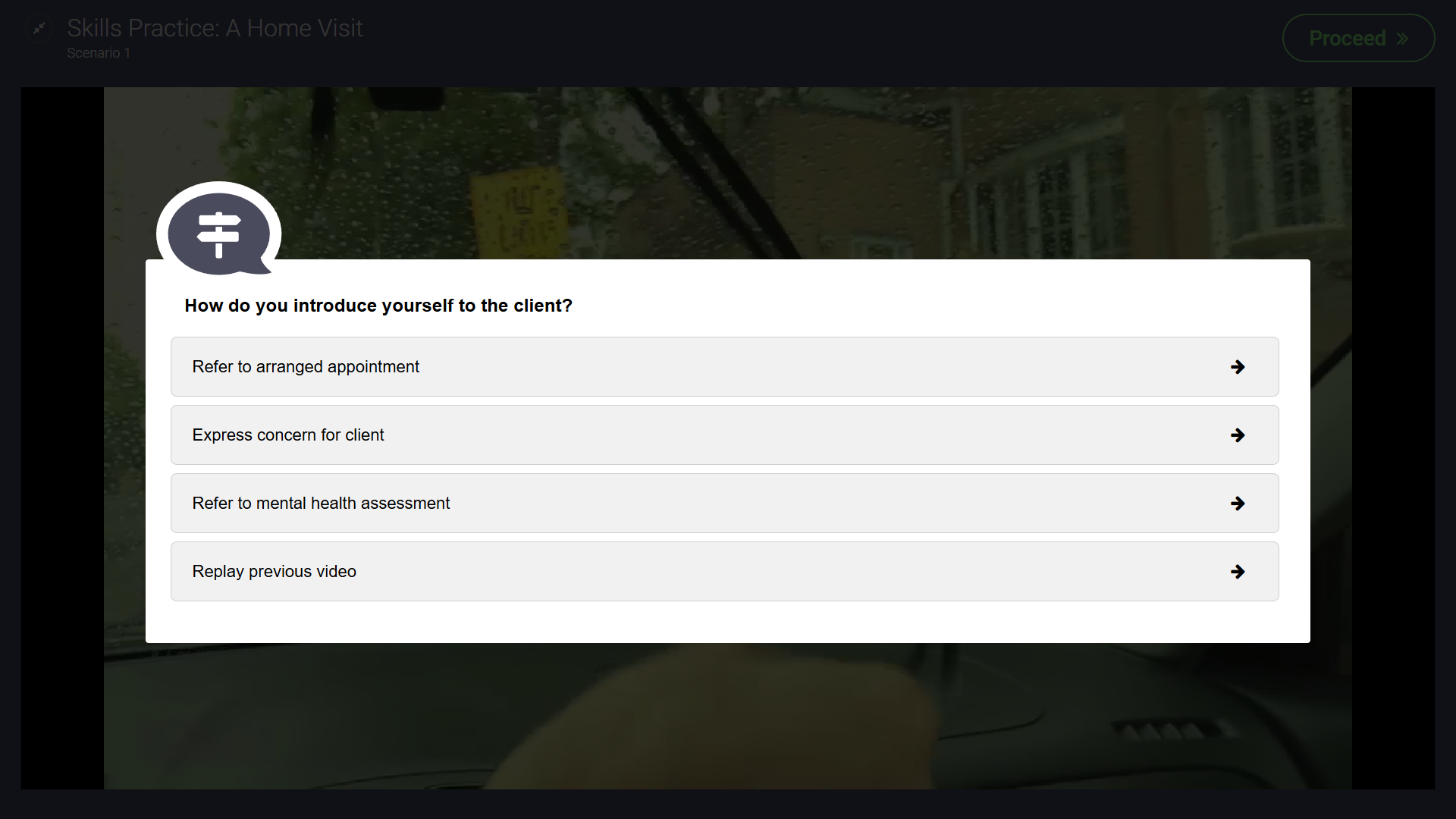
To build decision-making skills, Branching Scenario offers a highly effective approach. Participants are presented with a story containing multiple choices, and every decision they make changes the course of the story and its outcome. This content type can take the form of video or other interactive elements. In corporate practice, Branching Scenario can be used for risk-management simulations, dilemma-based exercises, or behavioral training that demands a deep understanding of real business situations.
Having worked on more than 1,000 learning multimedia projects, Monkey Melody understands that every company faces different challenges and has different goals. That's why we offer a tailored approach to ensure every video we produce achieves its intended training objective. By combining the latest technology with a creative approach, we're ready to help your company meet the training challenges of the future.
More insights
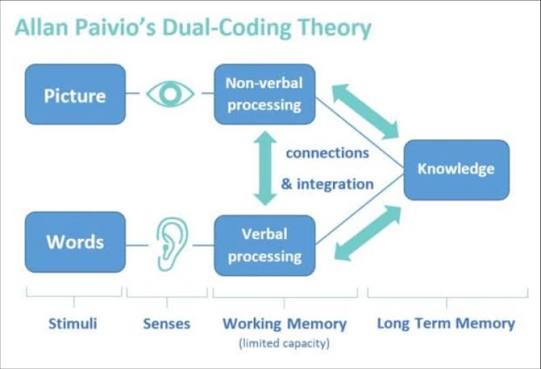
Research on Interactive Video Among Biology Students
The use of video as a self-paced e-learning medium has become standard practice in corporate training programs and higher education.
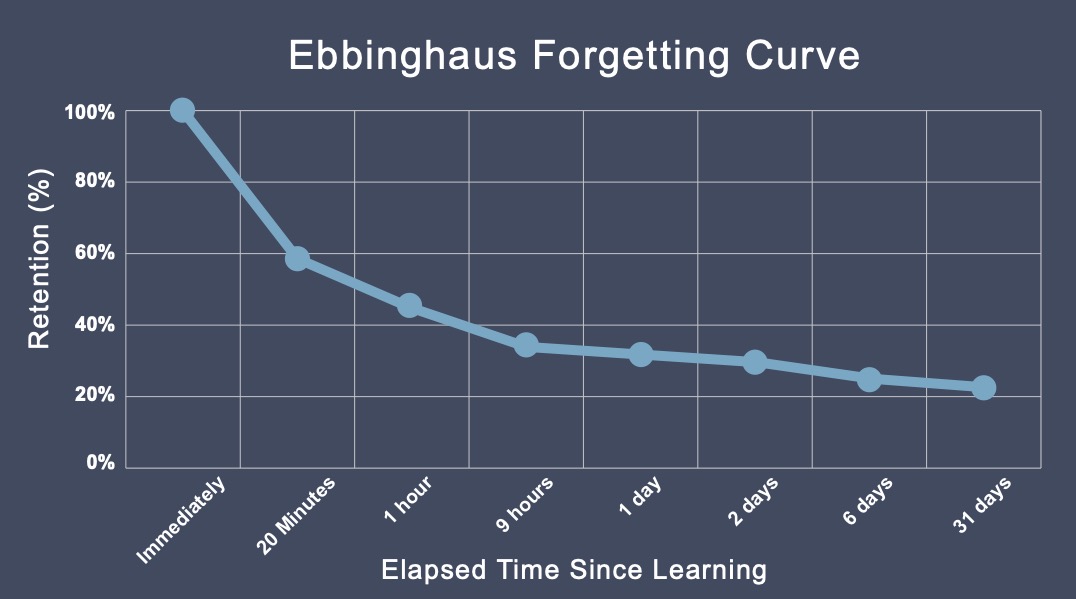
The Science Behind Why Microlearning Works
A single long training day often fails because it fights how the brain actually works — see how microlearning, the Forgetting Curve, and spaced repetition make material actually stick.
How AI Video Search Is Transforming Corporate L&D
Thousands of hours of training video pile up in your company's LMS, hard to search once a program ends — see how AI Video Search is changing the way L&D teams find specific moments buried in that dark data.
Want the short version, applied to your company?
Let's talk about what this means for you.
Get in touch