

3 Tips for Converting Training Material into Visual Assets
In learning video production, creating graphics and animation that align with the training material is essential. To maintain accuracy, you need a team with a strong level of…

Graphics and Animation Need Solid Planning
In learning video production, creating graphics and animation that align with the training material is naturally essential. To maintain accuracy, you need a team with strong comprehension skills, one capable of turning source material into scripts and visual plans that fit.
At Monkey Melody, our storyboarder team is responsible for converting scripts into storyboards that the post-production team—graphic designers and animators—can work from directly. Storyboarding isn't just about drawing; storyboarders need a deep understanding of the material being delivered.
This is especially critical for technical or complex material. A storyboard built without thorough analysis of the script risks producing visuals that are inaccurate, which can ultimately confuse participants.
Our storyboarder team also specifically determines the layout, as well as the timing of when and how each visual element appears and moves, so it stays in sync with the narration. These elements then come together to produce animation that's both engaging and content-accurate.
3 Tips for Converting Training Material into Visual Assets
- Paraphrase Long Explanations
Training material is often packed with long sentences, since it's usually written to be read. But when adapting it for video, copying the original text straight onto the screen can overwhelm participants. This ties back to Richard E. Mayer's Redundancy Principle: too much information delivered at once can get in the way of learning.
The solution? Paraphrase. Instead of displaying the original text, try turning it into a more concise version that still keeps the core message intact. Use plain language suited to your participants' context. Imagine you're explaining something to a friend face-to-face—it's usually far less formal than the way a textbook puts it, right?
- Visualize Steps or Phases
Corporate training material often covers procedures, workflows, or specific stages. One method that works well is converting text into a visual sequence.
Visuals that map out steps or phases help participants grasp a process much faster, without needing to read long paragraphs. Of course, the creative team—storyboarders included—needs a solid grasp of the content so the visuals don't end up confusing participants through inaccuracy.
- Visualize Sentence Fragments
Ever read a paragraph of material that felt technical and "heavy"? When we come across a paragraph like that, it's best to break it down into smaller parts first.
Identify the key ideas within that paragraph, then turn them into smaller fragments that can each be visualized separately. Each fragment can be presented as one or more visual assets illustrating a specific point, depending on the context. This matters because it lets participants absorb information gradually while staying engaged.
Having worked on more than 1,000 learning multimedia projects, Monkey Melody understands that every company faces different challenges and has different goals. That's why we offer a tailored approach to ensure every video we produce achieves its intended training objective. By combining the latest technology with a creative approach, we're ready to help your company meet the training challenges of the future.
More insights
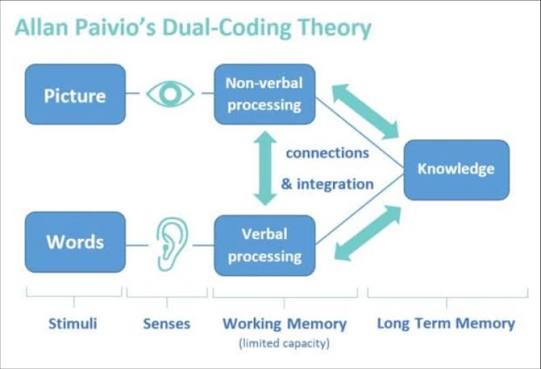
Research on Interactive Video Among Biology Students
The use of video as a self-paced e-learning medium has become standard practice in corporate training programs and higher education.
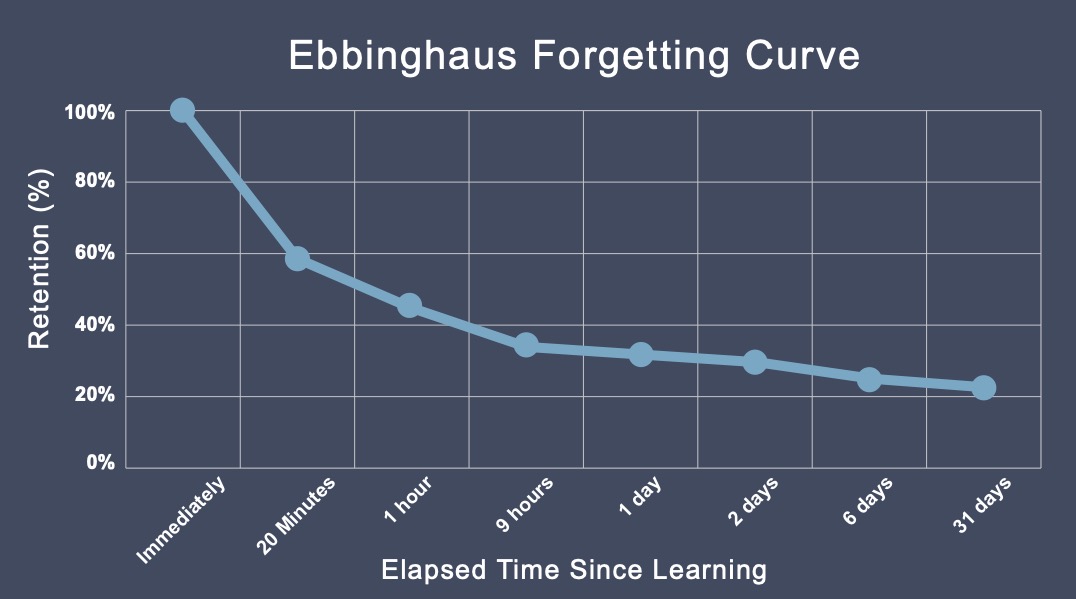
The Science Behind Why Microlearning Works
A single long training day often fails because it fights how the brain actually works — see how microlearning, the Forgetting Curve, and spaced repetition make material actually stick.
How AI Video Search Is Transforming Corporate L&D
Thousands of hours of training video pile up in your company's LMS, hard to search once a program ends — see how AI Video Search is changing the way L&D teams find specific moments buried in that dark data.
Want the short version, applied to your company?
Let's talk about what this means for you.
Get in touch