
Why an Adaptive Learning Path Can Strengthen Employee Competency
In Indonesia, the learning systems found in most educational institutions are still largely dominated by a one-size-fits-all pattern. This shows up in aspects such as delivering…

The Limits of Conventional Learning Paths in Corporate Training
In Indonesia, the learning systems found in most educational institutions are still largely dominated by a one-size-fits-all pattern. This shows up in aspects such as delivering the same material to everyone and applying a uniform learning duration across the board.
This model usually rests on the assumption that learners in a single class or program have relatively similar needs. In reality, individuals can differ significantly—in prior knowledge, for instance—so one person may not be able to connect cognitive concepts as quickly as a more experienced peer.
This phenomenon also shows up in corporate settings, where participants from different units and experience levels are required to go through the exact same learning program. Even large companies that have already tailored curricula by unit and position often haven't fully broken away from the conventional learning path.
As a result, the learning process ends up focused more on completing material than on each individual actually reaching competency. Participants who have already mastered the material still have to sit through the same sessions, while those still struggling are pushed ahead to the next material even though their foundational knowledge isn't yet solid.
This creates two problems at once: faster learners grow bored, while those who need more time fall behind.
In a corporate training context, this approach can directly affect the effectiveness of competency development. One employee might need reinforcement of basic concepts, while another needs case simulations or hands-on practice.
On top of that, conventional learning paths are generally linear and fixed from the outset. Employees are guided through a predetermined sequence of modules with no adjustment based on assessment results or shifts in job requirements.
This is exactly what's driving the need for a more adaptive learning approach: the adaptive learning path. With this approach, each learner gets a personalized learning flow suited to their specific needs, or even aligned with their chosen career path.
What Is an Adaptive Learning Path?
Adaptive learning can be defined as a learning approach that adjusts content, methods, and learning pathways to each learner's knowledge level, needs, preferences, and progress.
This personalization approach can be implemented as a learning pathway known as an adaptive learning path.
In practice, an adaptive learning path begins by mapping out each learner's profile and competencies. That mapping can cover prior knowledge, work experience, assessment results, the competencies required by their role, training history, and career development goals. That data is then used to identify the gap between actual and targeted competency.
Based on the results of that mapping, each individual can receive a different recommended learning pathway. Learners who have already mastered a given competency can skip the basic material and move straight to more advanced learning.
Conversely, learners who still have gaps in prerequisite competencies can receive additional material or guided support before moving on to the next stage.
In other words, the competency target stays the same, but the path to reach it can be adjusted. That's the key difference between adaptive learning and one-size-fits-all learning. An adaptive approach can uphold competency standards while remaining flexible to each individual's needs.
The Role of AI and Learning Multimedia Production in Adaptive Learning Paths
Advances in digital technology are making it increasingly possible to apply this approach at scale. One way is through platforms specifically designed for more personalized learning, known as a Learning Experience Platform, or LXP.
This kind of platform can be used to integrate a range of learning resources, such as digital modules, video, simulations, assessments, communities of practice, coaching, and project-based learning. A Learning Management System (LMS) can be thought of as the system that organizes the training someone needs to complete, while an LXP serves as the system that helps participants discover and move through the learning experiences most relevant to them.
Integrating Artificial Intelligence (AI) into the LXP ecosystem is the main driver behind adaptive learning paths, since manually adjusting the learning flow for large numbers of different learners would take far too much time and cost.
By using AI, learning platforms can process interaction and learning-activity data at scale, in real time. AI systems analyze a range of variables, such as test results, the pace at which someone grasps a module, patterns in how they work through quizzes, and the learning style that works best for that individual.
Based on that data, AI automatically recommends the most relevant learning direction—for example, which material should be prioritized.
Here, in more detail, are some of the key advantages of implementing AI within an Adaptive Learning Path.
1. Automated Competency Gap Analysis
AI can connect employee profile data—such as job role and work performance—with the company's competency directory. From this mapping, AI can accurately identify an individual's competency gaps and build a dedicated learning pathway to close them.
2. Virtual Companion
AI makes for a more interactive learning experience, since learners gain a virtual companion ready to answer questions at any time. This companion can also dynamically adjust question difficulty to match each learner's ability.
3. Predictive Analytics
With AI in place, learners can receive predictions about potential learning obstacles. For example, AI-based analytics can measure training effectiveness all the way through to changes in workplace behavior and their impact on business performance (Return on Training Investment / ROTI).
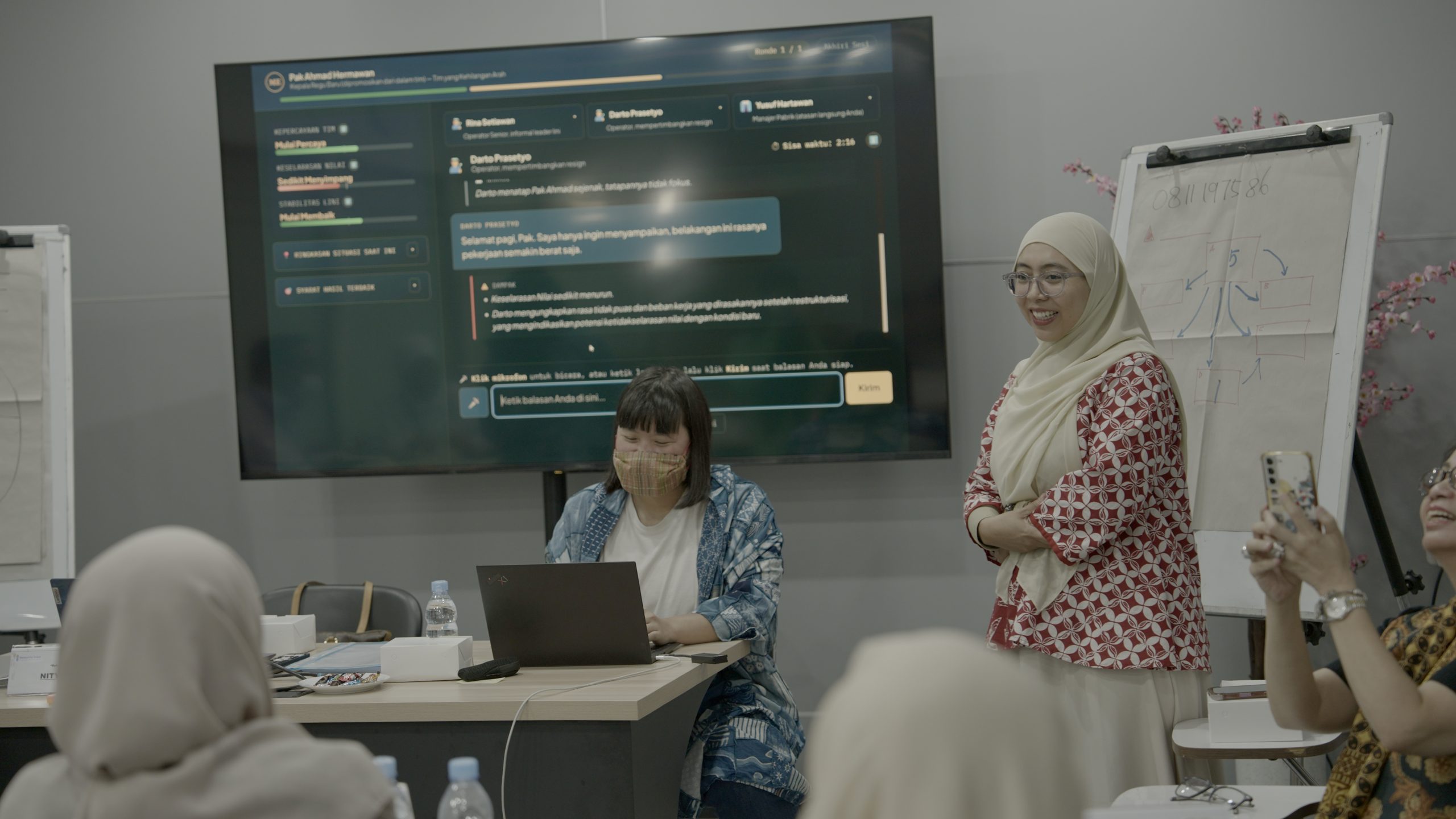
Adaptive learning paths themselves can be packaged in a variety of formats. One implementation we've developed at Monkey Melody is an Interactive Case Study Simulator, built around an adaptive storyline complete with a range of conflicts participants need to work through.
By integrating a case-study simulator into the adaptive learning path, the resulting system can run decision-based assessments driven by each learner's choices. If a participant makes a less-than-ideal decision midway through the simulation, the AI system adaptively provides relevant feedback.
The shift from conventional learning paths to AI-driven adaptive learning paths is a strategic step in transforming human capital development. By focusing on an approach that ensures genuine competency mastery, the learning experience delivered can stay aligned with company objectives.
Monkey Melody understands that every company faces different challenges and has different goals.
That's why we offer a tailored approach to ensure every video we produce achieves its intended training objective. Ready to transform your company's training material into effective learning videos or interactive videos?
Contact Monkey Melody now via WhatsApp at +62 812-1954-8155, email info@monkeymelody.com, or through this link.
More insights
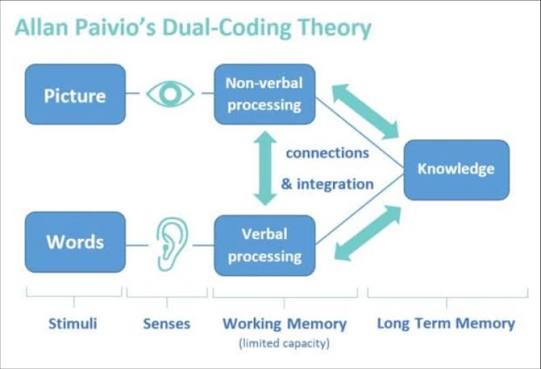
Research on Interactive Video Among Biology Students
The use of video as a self-paced e-learning medium has become standard practice in corporate training programs and higher education.
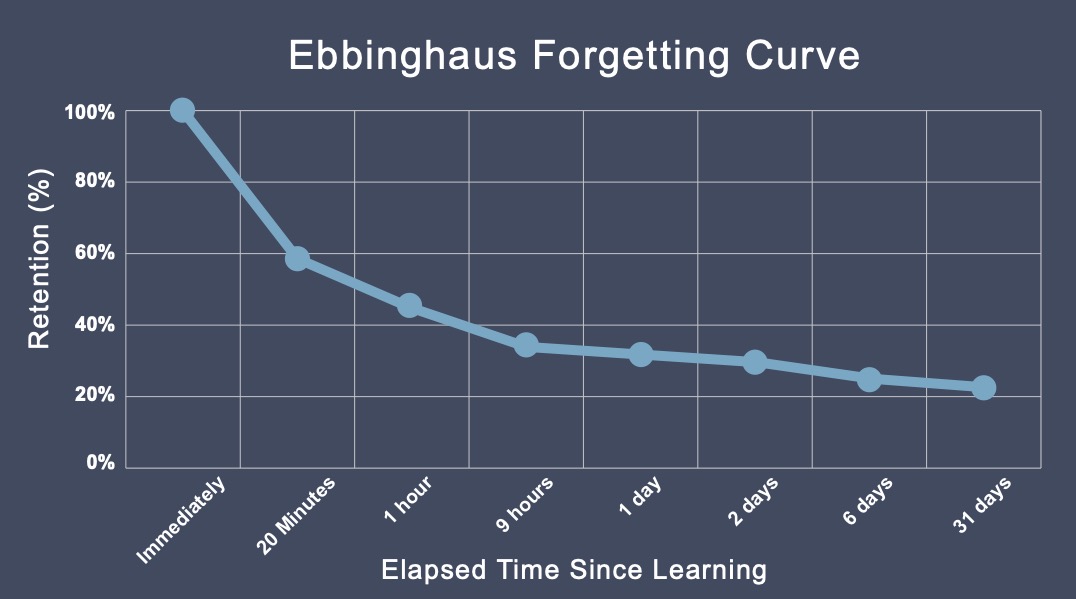
The Science Behind Why Microlearning Works
A single long training day often fails because it fights how the brain actually works — see how microlearning, the Forgetting Curve, and spaced repetition make material actually stick.
How AI Video Search Is Transforming Corporate L&D
Thousands of hours of training video pile up in your company's LMS, hard to search once a program ends — see how AI Video Search is changing the way L&D teams find specific moments buried in that dark data.
Want the short version, applied to your company?
Let's talk about what this means for you.
Get in touch