

What Are Offline & Online Editing?
Once a shoot wraps, we move into post-production, a phase many people simply lump together as "editing." But editing actually consists of several distinct processes…

Offline Editing
Once a shoot wraps, we move into post-production, a phase many people simply lump together as "editing." But editing actually consists of several distinct processes. This is the phase where footage is selected, animation is applied, audio is adjusted, and so on. In the world of post-production, there are two important terms worth knowing: offline editing and online editing.
Offline editing can be thought of as the "stitching the story together" stage. Here, editors work with low-resolution copies of the footage (commonly called proxy footage) to speed up the process. Why not just use the original footage? Because raw camera files tend to be enormous. Forcing the process with full-resolution files only slows everything down and makes the workflow inefficient.
So at this stage, the editor selects and arranges scenes according to the storyboard or script, trims out anything unnecessary, and builds the narrative so it flows well.
Offline editing can be thought of as the "rough draft" phase of a video. This is where most of the major creative decisions happen—choosing which scenes land hardest, how the narrative rhythm is built, or when a particular transition fits best.
Online Editing
Once the offline edit is locked and approved by the creative team or the client, we move up to the online editing phase. This is when the original footage comes back into play, but now with the finishing touches applied. By the end of this stage, the video graduates from rough draft to a finished piece ready for audiences. Some of what happens during online editing includes:
– Color grading: adjusting color tone for a more consistent, cinematic look.
– Graphics & animation: adding elements such as logos, title animations, or motion graphics.
– Visual effects (VFX): applying any special effects needed, such as complex transitions or object removal.
– Audio finishing: including audio sync, additional sound effects, and final mixing.
Both offline and online editing are essential parts of telling a story through video. Think of it like building a house: offline editing lays down the frame and structure, while online editing is the finishing process—adding color, lighting, and aesthetic touches so the final result shines.
Having worked on more than 1,000 learning multimedia projects, Monkey Melody understands that every company faces different challenges and has different goals. That's why we offer a tailored approach to ensure every video we produce achieves its intended training objective. By combining the latest technology with a creative approach, we're ready to help your company meet the training challenges of the future.
More insights
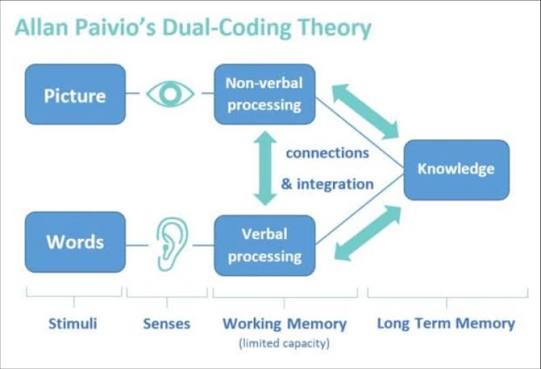
Research on Interactive Video Among Biology Students
The use of video as a self-paced e-learning medium has become standard practice in corporate training programs and higher education.
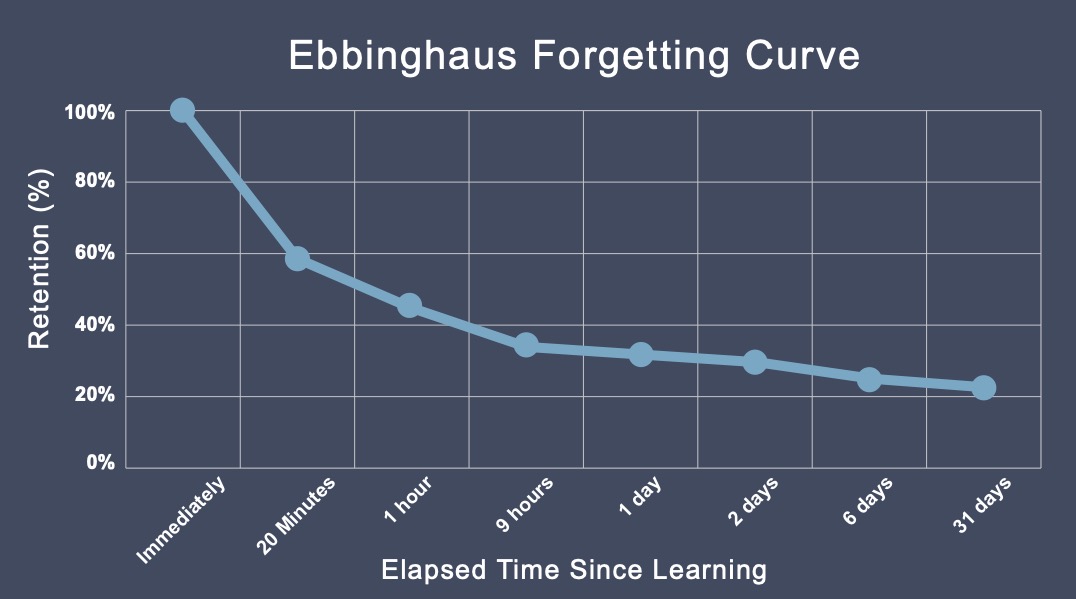
The Science Behind Why Microlearning Works
A single long training day often fails because it fights how the brain actually works — see how microlearning, the Forgetting Curve, and spaced repetition make material actually stick.

How AI Video Search Is Transforming Corporate L&D
Thousands of hours of training video pile up in your company's LMS, hard to search once a program ends — see how AI Video Search is changing the way L&D teams find specific moments buried in that dark data.
Want the short version, applied to your company?
Let's talk about what this means for you.
Get in touch