
Turning Passive Training Into Active Learning: The Power of Interactive Learning Video With Learning Maps and Mini Quizzes
A few years ago, learning video saw a sharp rise as many companies shifted to digital in the wake of Covid-19. Over time, despite its many strengths, learning video…

The State of Learning Video Today
A few years ago, learning video saw a sharp rise as many companies shifted to digital in the wake of Covid-19. Over time, despite its many strengths, learning video has largely remained a passive format.
Introducing interactive learning video can be the answer to turning that passive learning habit into a far more impactful experience.
Many Learning & Development (L&D) teams have already invested heavily in digitizing their training material. Yet completion rates and comprehension retention among participants often remain low.
The main culprit is usually a delivery format that's dull and fails to involve participants. So let's break down how combining learning maps with mini quizzes can create a learning journey that's livelier and more effective.
Why Passive Video Often Falls Short and Why Interactive Learning Video Matters
Passive training video causes employee focus to fade quickly, since there's no direct cognitive engagement built into how the material is absorbed. Today's employees are already dealing with heavy workloads and a constant flood of information.
When they're asked to watch a long video with no breaks, their attention drops sharply after the first few minutes. Psychologically, watching passive video puts employees in the position of a passive viewer.
According to John Sweller's Cognitive Load Theory, the human brain's capacity for processing new information is highly limited. Information delivered without pause or interaction is easily lost.
As a result, important material simply doesn't get absorbed properly. Employees end up just playing the video to check a box on their monthly training requirement. Yet the real purpose of corporate training is behavior change and stronger job competency.
That's why the approach to material needs to shift from merely watching to actually doing. This is where interactive content delivery takes center stage.
Integrating Learning Maps and Mini Maps for Engaging, Active Learning Navigation
A learning map within interactive learning video gives participants a clear sense of the journey ahead, increases their sense of control, and reduces learning fatigue.
One of the main reasons employees lose motivation during training is a lack of clarity about the flow. They often don't know how far they've progressed or how much material is still left to complete.
Introducing a visual learning map provides a real solution to that problem. By displaying a navigation map at the start of or throughout a video, participants can see their entire learning journey laid out transparently.
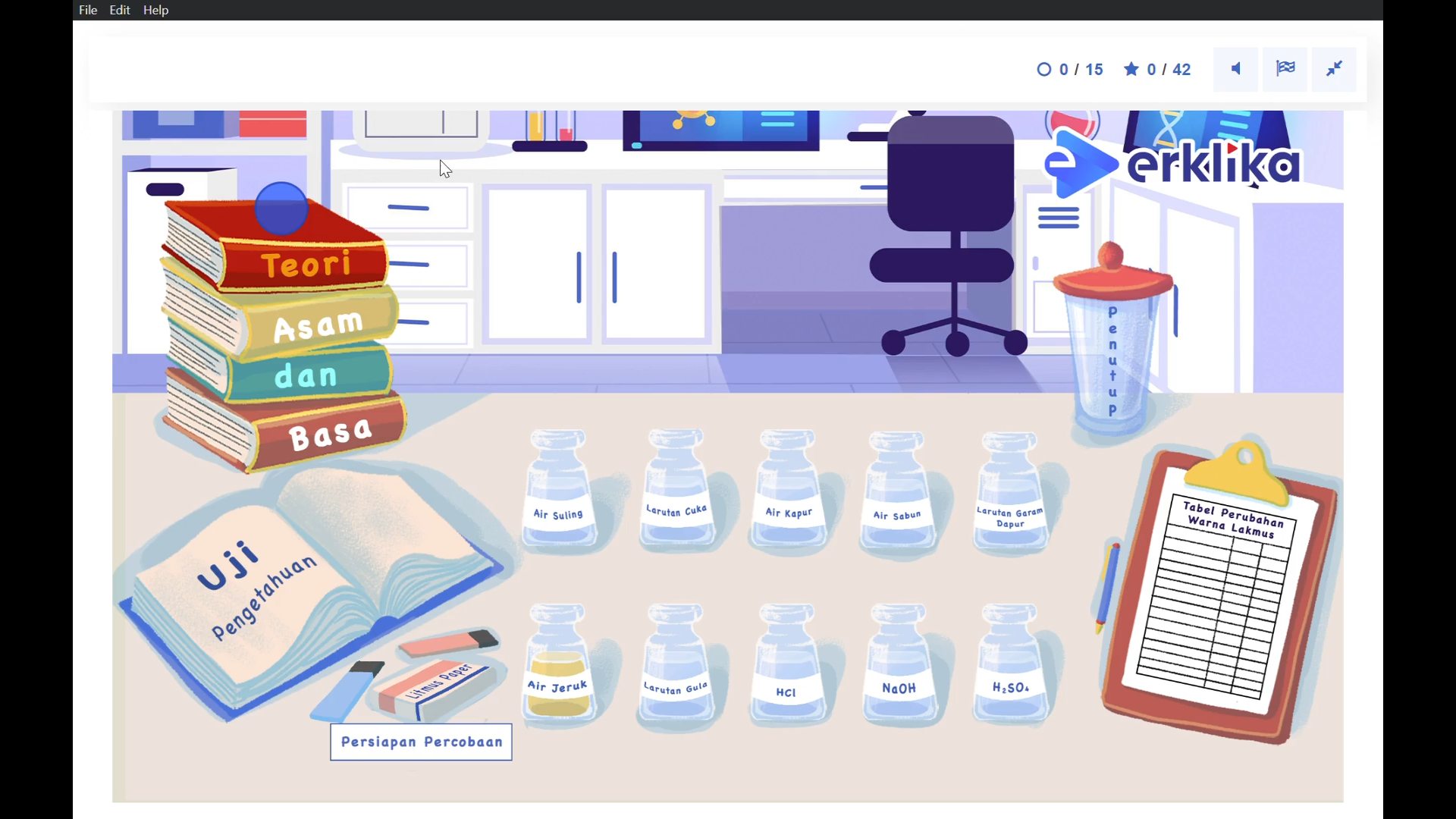
Here are some of the key benefits of integrating a learning map into a training module:
-
A Transparent Learning Direction: Participants know exactly what topics they'll cover and what the end goal looks like.
-
Easier Navigation: Employees can revisit sub-topics they find difficult or skip ahead past sections they've already mastered.
-
A Sense of Progress: Visual indicators provide genuine satisfaction each time a stage of training is completed.
For example, in technical or compliance training material that tends to be dense, a learning map can break a large topic down into several smaller parts. In line with microlearning principles, splitting thick material into short, 3-to-5-minute modules helps keep participants focused.
Participants feel they have full control over their own learning pace. As a result, the learning journey employees go through feels far more structured and far less tedious.
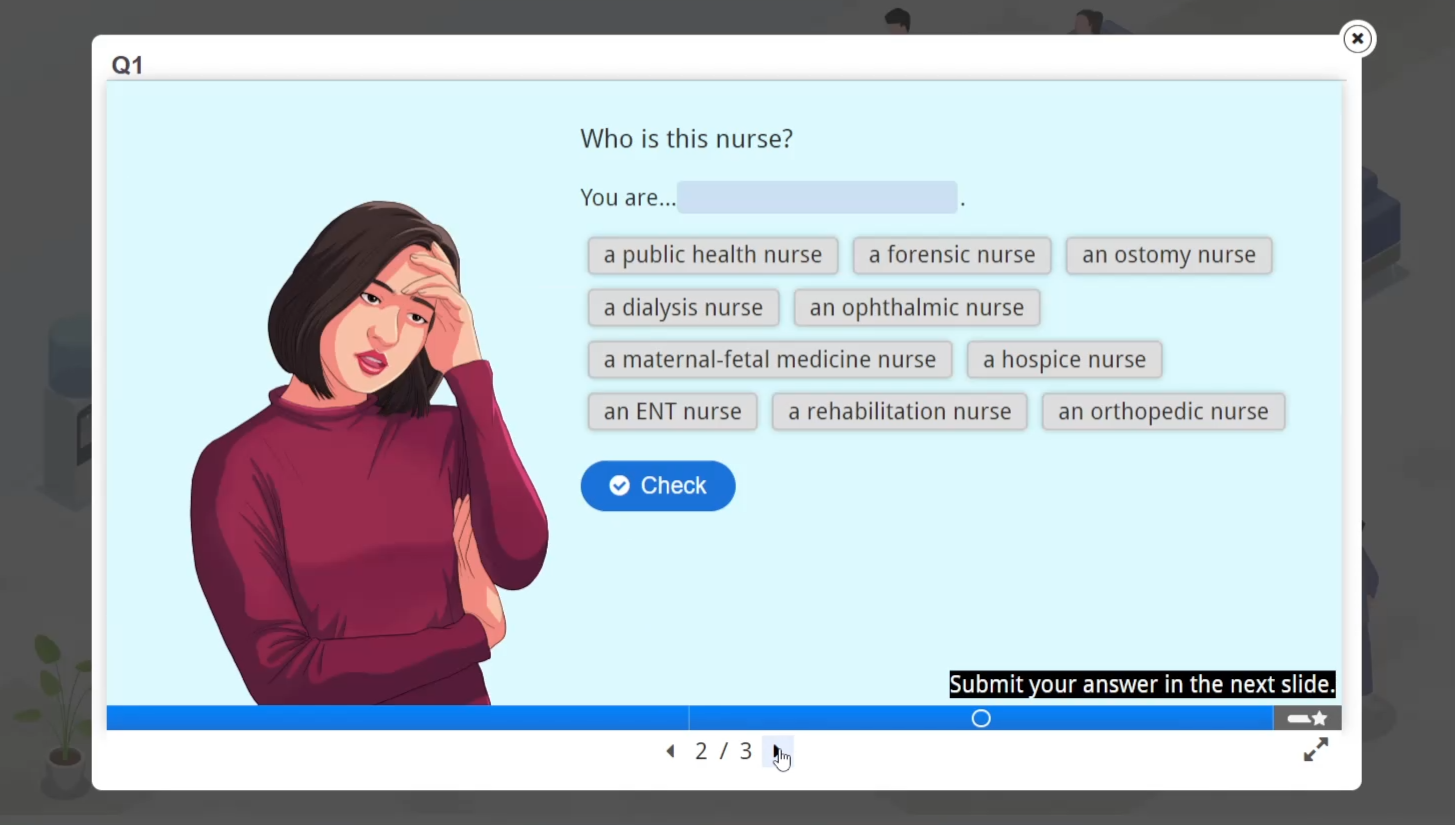
On top of that, we can of course add mini quizzes at points throughout the video to trigger active recall, strengthening employees' long-term retention.
Interactivity is the key element that sets modern learning media apart from conventional video. Without any action from the viewer, the brain simply slips back into passive mode.
Inserting mini quizzes at strategic points throughout a video is a highly effective method. These quizzes aren't meant to judge participants' ability—they're a tool to help reinforce recall.
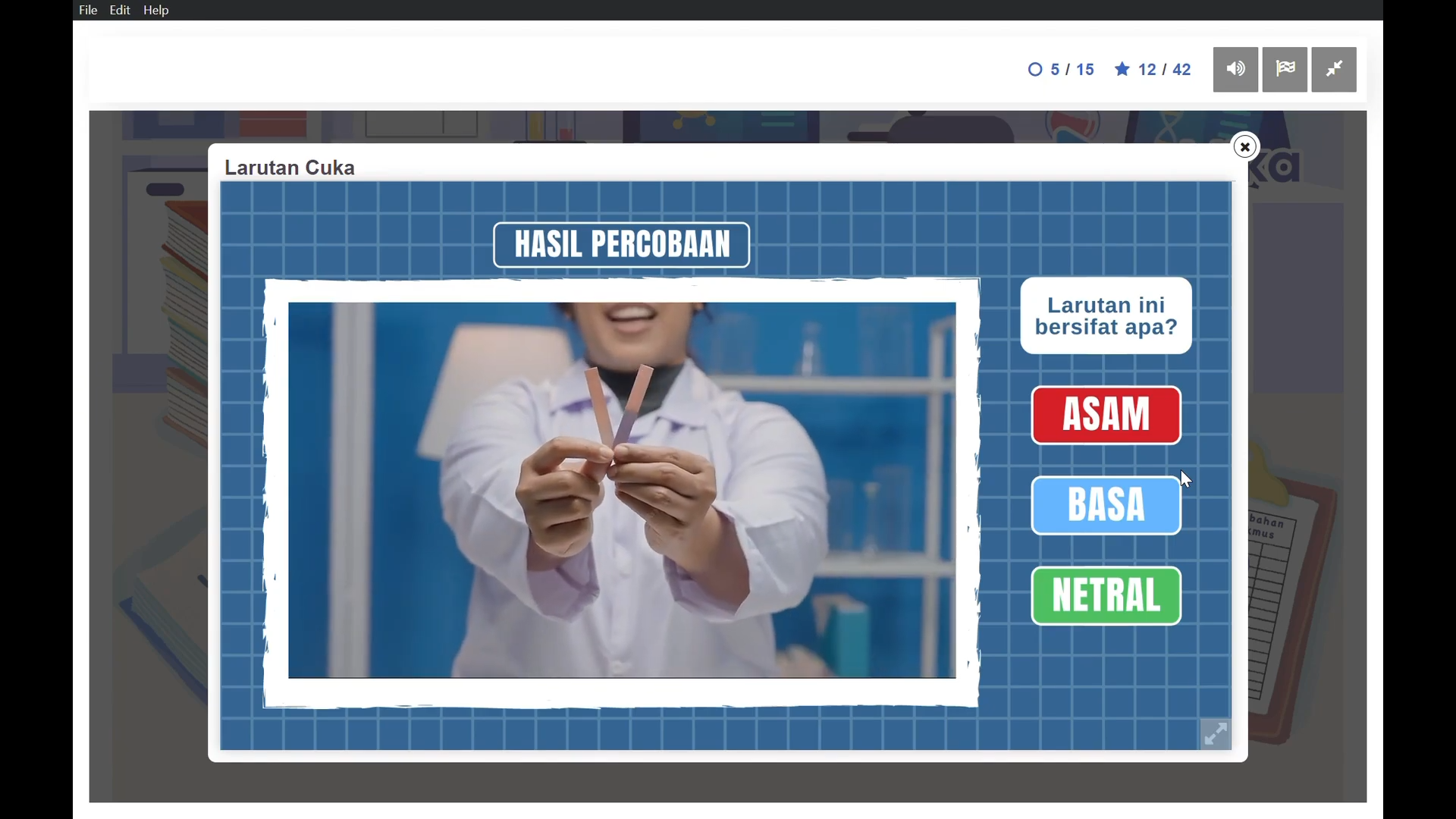
Scientifically, this mechanism draws on the principle of retrieval practice. When employees are asked to answer a short question right after taking in an explanation, their brain is forced to work actively.
That act of retrieving information strengthens the memory pathway in the brain. The result: understanding of the material lasts significantly longer.
Monkey Melody understands that every company faces different challenges and has different goals.
That's why we offer a tailored approach to ensure every video we produce achieves its intended training objective. Ready to transform your company's training material into effective learning videos or interactive videos?
Contact Monkey Melody now via WhatsApp at +62 812-1954-8155, email info@monkeymelody.com, or through this link.
More insights
Research on Interactive Video Among Biology Students
The use of video as a self-paced e-learning medium has become standard practice in corporate training programs and higher education.
The Science Behind Why Microlearning Works
A single long training day often fails because it fights how the brain actually works — see how microlearning, the Forgetting Curve, and spaced repetition make material actually stick.
How AI Video Search Is Transforming Corporate L&D
Thousands of hours of training video pile up in your company's LMS, hard to search once a program ends — see how AI Video Search is changing the way L&D teams find specific moments buried in that dark data.
Want the short version, applied to your company?
Let's talk about what this means for you.
Get in touch