
A Smart Way to Use Mini Games in Corporate E-Learning
Conventional passive learning methods, such as sitting through lengthy videos or reading thick modules, come with significant structural limitations. From the perspective of…

Is Active Learning More Effective?
Conventional passive learning methods, such as sitting through lengthy videos or reading thick modules, come with significant structural limitations. From the perspective of cognitive psychology and Cognitive Load Theory, one-directional delivery of information tends to trigger excessive extraneous cognitive load.
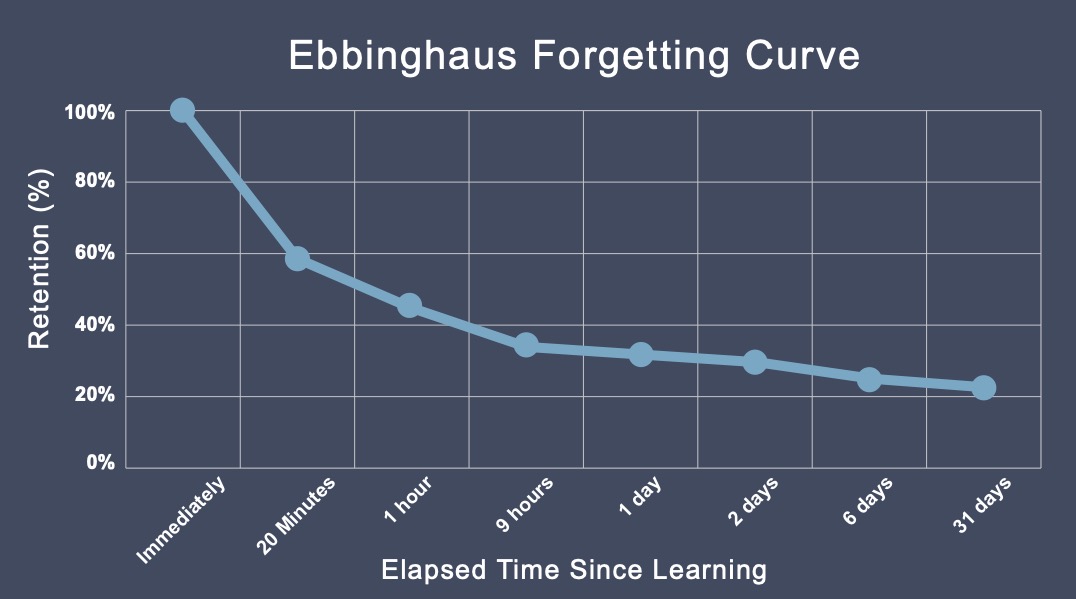
On top of that, the Ebbinghaus Forgetting Curve shows that without active engagement, people can lose up to 70% of new information within just 24 hours.
In the context of workforce development and andragogy, employees need space to apply what they've learned directly, within a simulation environment that's safe from real operational risk, in order to strengthen long-term memory retention.
A 2024 survey by Kaltura found that interactive quizzes and live chat features remain the most widely used tools across educational and digital training institutions. This data shows that even simple forms of interactivity can deliver a strong learning impact, as long as they're well targeted and aligned with the learning objective.
From a scientific standpoint, interactive quizzes inserted between sections of material serve as more than just an evaluation tool. Classic memory research by Roediger & Karpicke (2006) demonstrated the testing effect—the act of actively retrieving information from memory significantly strengthens neural pathways compared with simply reading or listening to material repeatedly.
Case Study: Transforming Technical Communication Training
Among training professionals, there's a common assumption that the more complex an e-learning simulation is, the higher the level of participant engagement. Instructional design theory, however, suggests the opposite.
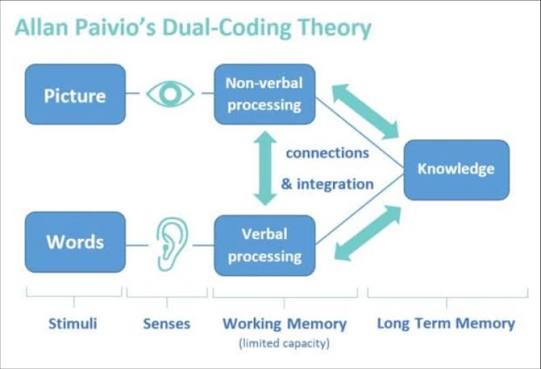
Under the Cognitive Theory of Multimedia Learning developed by Richard Mayer, the human brain has a limited capacity for processing visual and audio information at the same time.
When we burden employees with an overly complicated game mechanic, we end up creating extraneous cognitive load—excess cognitive burden that has nothing to do with the actual learning objective.
Employees end up spending more energy figuring out how to play the game than absorbing the training material itself.
A micro-interaction approach, such as short H5P-based quizzes, can eliminate that excess burden. Participants can stay focused on the core problem to be solved, allowing their mental processes to concentrate on committing information to long-term memory.
To see how this concept plays out in the real world, let's break down a collaborative project between Monkey Melody and Daya Dimensi Indonesia (DDI).
DDI needed a set of interactive learning multimedia designed specifically for healthcare workers (nurses). The main objective was to help nurses become more proficient communicating in English, both when interacting with patients and when coordinating with medical colleagues.
The biggest challenge in this project came down to the nature of the material:
1. Technical Medical Terminology: Medical terms in English are highly specific and demand a high degree of precision.
2. High-Pressure Work Conditions: Nurses have very limited time to learn and face high levels of mental fatigue on the job.
3. Risk of Cognitive Overload: Material that's too dense, or interaction mechanics that are too complicated, would leave participants feeling overwhelmed before they could even grasp the material.
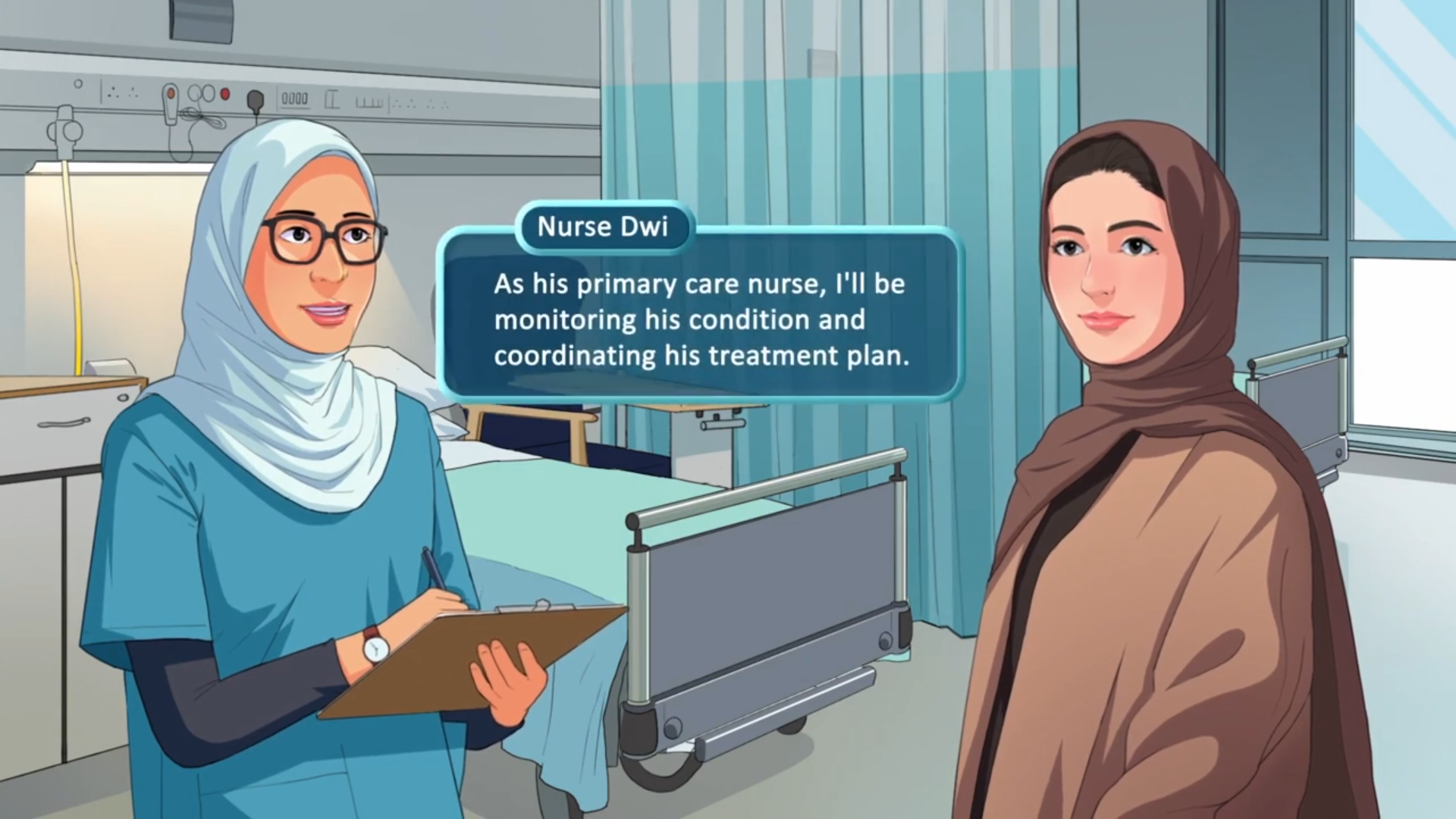
Rather than building a full, heavyweight conversation simulation, Monkey Melody and DDI designed a tiered learning ecosystem combining several multimedia elements:
-
1. Contextual Narrative Video: Provides a realistic picture of communication scenarios in a hospital setting, so participants intuitively understand how and when to use certain phrases.
-
2. Navigable Game Map: Gives participants a clear learning structure while still granting them the freedom to set their own pace (learner autonomy).
-
3. Drag & Drop Mini Game (H5P): Used as an evaluation and reinforcement tool immediately after participants watch the narrative video.
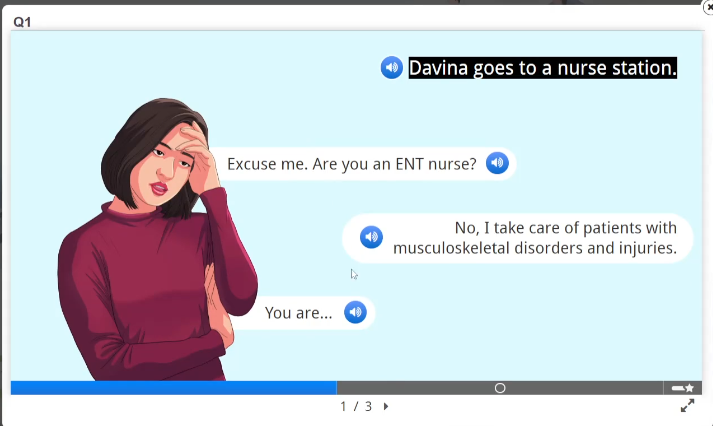
Monkey Melody understands that every company faces different challenges and has different goals.
That's why we offer a tailored approach to ensure every video we produce achieves its intended training objective. Ready to transform your company's training material into effective learning videos or interactive videos?
Contact Monkey Melody now via WhatsApp at +62 812-1954-8155, email info@monkeymelody.com, or through this link.
More insights
Research on Interactive Video Among Biology Students
The use of video as a self-paced e-learning medium has become standard practice in corporate training programs and higher education.
The Science Behind Why Microlearning Works
A single long training day often fails because it fights how the brain actually works — see how microlearning, the Forgetting Curve, and spaced repetition make material actually stick.
How AI Video Search Is Transforming Corporate L&D
Thousands of hours of training video pile up in your company's LMS, hard to search once a program ends — see how AI Video Search is changing the way L&D teams find specific moments buried in that dark data.
Want the short version, applied to your company?
Let's talk about what this means for you.
Get in touch