

Behind Effective Learning Video Production: Keeping the Shoot Flow Smooth
A shoot that runs long, crew members waiting on each other, or talent losing focus from too many pauses. These are problems that can crop up during any video production, including…

Why Shoot Flow Matters
A shoot that runs long, crew members waiting on each other, or talent losing focus from too many pauses. These are problems that can crop up during any video production, including learning video production.
Many production teams still run into this challenge regularly. Yet problems like this are often not about a lack of tools or skill, but about one very fundamental thing: a shoot flow that isn't well organized.
In today's digital learning era, learning videos have become an inseparable part of corporate training strategy. But attention is often focused only on visual quality or content. Rarely does anyone talk about how the video is actually produced, and how important it is to keep the shoot flow smooth and efficient.
Shoot flow is the working system that's set up so every team member knows what to do, when to do it, and in what order. This applies from the camera crew setting up composition, to lighting adjusting the light, to talent getting ready to perform naturally on camera.
Without this flow, production can fall into chaos. Time can be wasted repositioning things without clear direction, crew and talent get worn out, miscommunication piles up, and so on.
A good shoot flow doesn't just speed up production — it also keeps team morale stable. This matters even more when the video is made for learning, where content and delivery pacing both need to stay in balance.
Why Planning from Script to Set Matters
In a video learning project, shoot flow doesn't begin on the actual shooting day. It has to be designed well in advance, starting from pre-production. For example, when we work on a technical learning video, we start by converting the source material into a storyboard, determining the shooting order based on location and shot type, and assigning the crew and equipment needed.
At Monkey Melody, we understand that a director's role goes far beyond simply calling "action." A director makes sure crew, talent, and content all stay in sync. A director is also the one who makes quick decisions when obstacles come up on location. For instance, when a location turns out to be too noisy or the client makes a sudden change, the flow can still be maintained thanks to clear direction from the director.
In productions involving a large amount of footage, this role becomes even more crucial.
Make no mistake — shoot flow isn't only relevant for large-scale productions. Shooting a podcast, an internal video, or a 2-minute microlearning piece all still need a solid flow suited to their needs.
Amid the trend toward digitalization and GenAI, the ability to produce content with a well-organized flow will set apart teams that merely produce content from teams that truly communicate a message.
After producing more than 1,000 learning multimedia projects, Monkey Melody understands that every company faces different challenges and goals. That's why we offer a tailored approach to ensure every video we create achieves the intended training objectives. Using the latest technology and a creative approach, we're ready to help your company tackle the training challenges of the future.
More insights
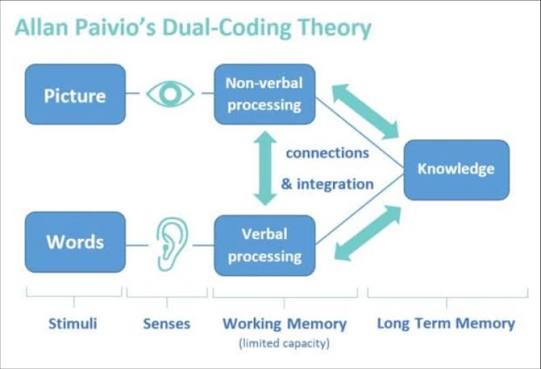
Research on Interactive Video Among Biology Students
The use of video as a self-paced e-learning medium has become standard practice in corporate training programs and higher education.
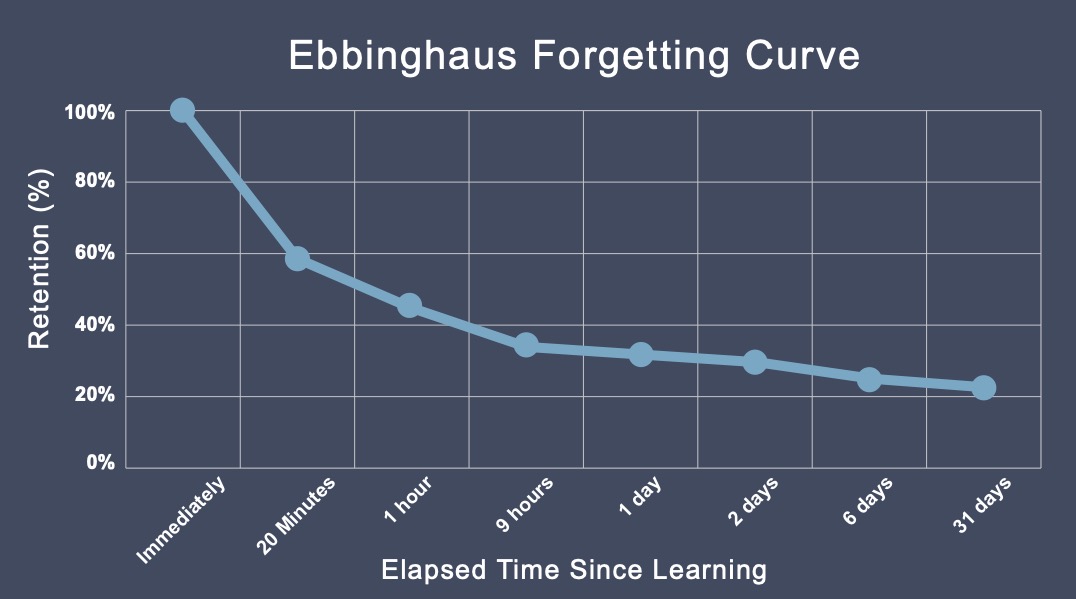
The Science Behind Why Microlearning Works
A single long training day often fails because it fights how the brain actually works — see how microlearning, the Forgetting Curve, and spaced repetition make material actually stick.

How AI Video Search Is Transforming Corporate L&D
Thousands of hours of training video pile up in your company's LMS, hard to search once a program ends — see how AI Video Search is changing the way L&D teams find specific moments buried in that dark data.
Want the short version, applied to your company?
Let's talk about what this means for you.
Get in touch