
The Dual-Channel Assumption: How the Brain Processes Information in Learning Videos
Did you know? Every second of a learning video competes for the brain's attention. Amid the constant flood of visual and auditory information we take in every day, understanding how the brain processes both…

Balancing the Visual and Auditory Channels
Did you know? Every second of a learning video competes for the brain's attention. Amid the constant flood of visual and auditory information we take in every day, understanding how the brain processes each type of information is an essential part of creating an effective learning experience.
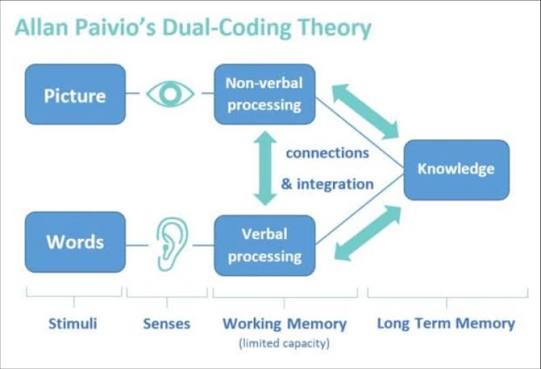
Richard E. Mayer's Dual-Channel Assumption theory explains that humans have two main channels for processing information: a visual channel and an auditory channel. The visual channel works when the eyes take in images, text, or animation, while the auditory channel activates when the ears hear sound, narration, or dialogue. Both operate in parallel, but each has a limited capacity.
Picture someone watching a learning video that displays a long block of text on screen while narrating the exact same content out loud. Within seconds, attention starts to split, and the brain struggles to decide which piece of information to prioritize. As a result, the material being delivered doesn't get absorbed properly.
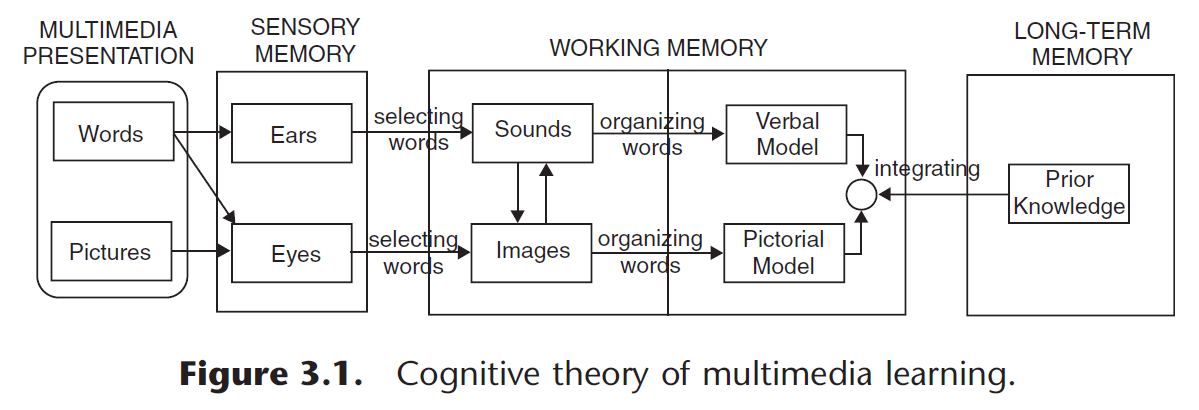
This is where the concept of modality off-loading comes in: a strategy for distributing cognitive load so it doesn't all land on a single channel. In practice, some information is delivered through narration (the auditory channel) while on-screen visuals are used to reinforce, not repeat, that information. This approach helps learners understand the connection between what they see and hear, strengthening the meaning-making process in their working memory.
By understanding how both channels work, learning teams can design video learning that's more cognitively efficient.
Applying It to Corporate Video Learning Design
For Learning & Development teams, this theory can serve as the foundation for designing a learning experience that makes the best use of multimedia's strengths. Every element — narration, text, and visuals — needs to be placed with a clear purpose so that learners' cognitive load stays balanced.
At Monkey Melody, our understanding of the dual-channel principle is applied from the earliest stages of pre-production. When the storyboard team starts working, every part of the script is analyzed to determine how best to present it. Some parts are stronger when visualized through illustration or animation, while others are better explained through narration, so the on-screen visuals can serve as contextual support.
The alignment between visual and audio — what Mayer calls temporal contiguity — is a central concern. Narration and visuals need to appear at the right moment, so learners' brains don't have to hold onto one piece of information and match it to another element several seconds later.
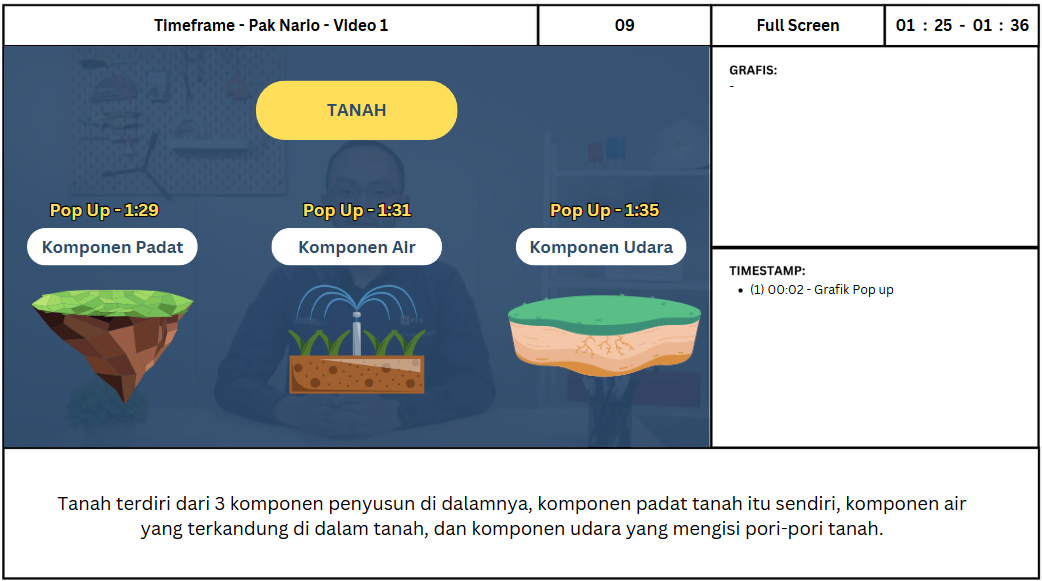
If this is ignored, the brain has to work several times harder, making the learning process exhausting and inefficient. That's why, in every storyboard, our team adjusts the timing of visual elements to match the pacing of the narration, the narrator's speaking rhythm, and the context of the message being delivered.
This process requires a deep understanding of the material. Our storyboard artists always study the source material and script closely to make sure every visual shown is accurate and relevant. On some projects, especially technical ones, our team even conducts additional research or uses technology like generative AI to help interpret concepts that are difficult to visualize. The resulting interpretation is then verified again together with the Subject Matter Expert (SME) to avoid any distortion of meaning.
After producing more than 1,000 learning multimedia projects, Monkey Melody understands that every company faces different challenges and goals. That's why we offer a tailored approach to ensure every video we create achieves the intended training objectives. Using the latest technology and a creative approach, we're ready to help your company tackle the training challenges of the future.
More insights
Research on Interactive Video Among Biology Students
The use of video as a self-paced e-learning medium has become standard practice in corporate training programs and higher education.
The Science Behind Why Microlearning Works
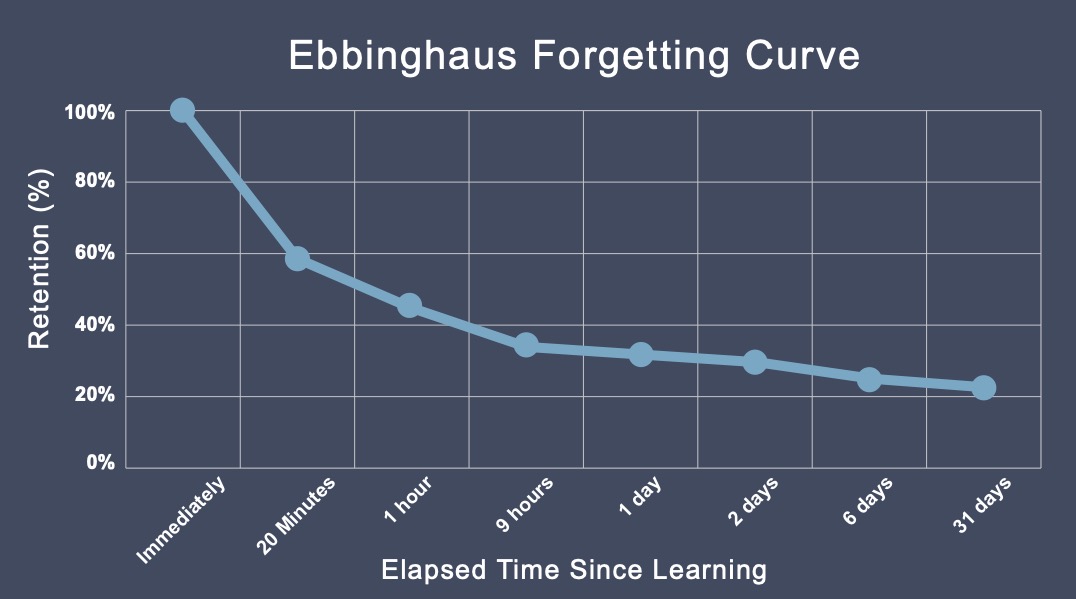
A single long training day often fails because it fights how the brain actually works — see how microlearning, the Forgetting Curve, and spaced repetition make material actually stick.
How AI Video Search Is Transforming Corporate L&D
Thousands of hours of training video pile up in your company's LMS, hard to search once a program ends — see how AI Video Search is changing the way L&D teams find specific moments buried in that dark data.
Want the short version, applied to your company?
Let's talk about what this means for you.
Get in touch