

Is GenAI Helping Learning Video Designers — or Replacing Them?
Take a look at social media. High-quality videos can now be produced effortlessly using tools like Runway and Veo. Without a camera or advanced editing skills, all kinds of…

The Democratization of GenAI Technology
Take a look at social media. High-quality videos can now be created with ease using tools like Runway and Veo. Without a camera or advanced editing skills, all kinds of videos — including learning videos — can be produced at low cost and in a fraction of the time.
Does this mean the roles of content creator or video producer are about to be replaced? Will corporate Learning & Development teams lose their place in producing training materials?
Over the past few years, we've witnessed an explosion of open-source, easily accessible GenAI models. Models such as HunyuanVideo from Tencent, CogVideoX from Tsinghua University, Qwen, and a host of other open-source models are now available on platforms like Hugging Face. Some can even be run directly from a browser, with no complicated software installation required.
According to a BCG survey, around 85% of C-suite executives plan to increase their investment in AI and GenAI technology. This shows that the real focus of GenAI adoption lies in how effectively it's put to use.
For the world of corporate learning, the implications are significant. Tools that once required a hefty budget and a dedicated team are now accessible at a far more affordable cost. Learning videos that used to take weeks to produce can now be made in days, or even hours.
Human-AI Collaboration in the Production Workflow
However, this newfound ease of access doesn't mean humans are being sidelined. Quite the opposite — recent research shows that the human role is becoming even more critical in the age of GenAI. Several crucial areas still call for human oversight, particularly to ensure content accuracy, maintain brand consistency, understand a company's and audience's specific context, and guide effective creative direction and storytelling.
So what does this look like in practice? The most effective framework is to split the work by role: AI handles tasks that are repetitive and technical, while humans focus on what's strategic and creative.
In the context of learning video production, this collaboration might look like this. GenAI can be used to generate initial visual drafts, quickly iterate on storyboards, or even produce simple animations for basic concepts. This saves an enormous amount of time during the idea-exploration stage.
Meanwhile, humans retain full control over the things that matter most: writing scripts that match the company's tone, ensuring material accuracy — especially for complex technical topics — carrying out final editing to maintain quality and consistency, and making creative decisions that stay aligned with the learning objectives.
Data from Accenture shows that companies focused on human-AI collaboration see 38% higher revenue growth than those that don't. This proves that productive collaboration between humans and GenAI can deliver real results.
This also represents a major opportunity for L&D teams to boost efficiency without sacrificing quality. Training materials can be produced faster and adapted more responsively as needs change. Still, the elements that make a learning video genuinely effective — like compelling, audience-relevant storytelling — continue to require a human touch.
Having worked on more than 1,000 learning multimedia projects, Monkey Melody understands that every company faces different challenges and goals. That's why we offer a tailored approach to ensure every video we create achieves its intended training objective. By combining the latest technology with a creative approach, we're ready to help your company meet the training challenges of the future.
More insights
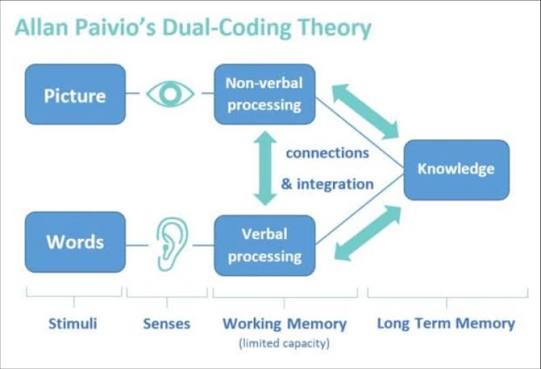
Research on Interactive Video Among Biology Students
The use of video as a self-paced e-learning medium has become standard practice in corporate training programs and higher education.
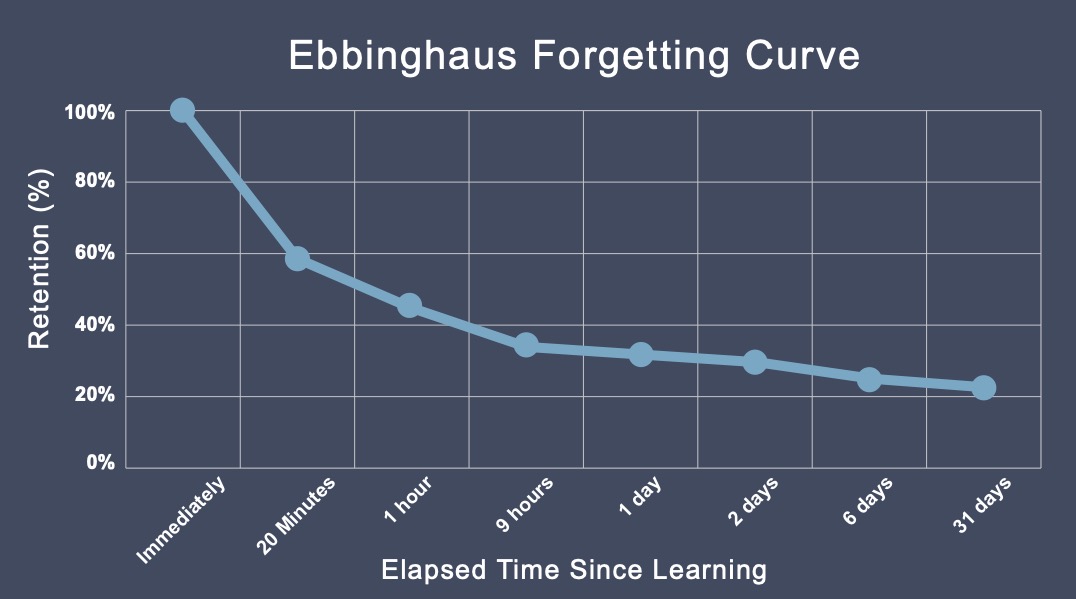
The Science Behind Why Microlearning Works
A single long training day often fails because it fights how the brain actually works — see how microlearning, the Forgetting Curve, and spaced repetition make material actually stick.
How AI Video Search Is Transforming Corporate L&D
Thousands of hours of training video pile up in your company's LMS, hard to search once a program ends — see how AI Video Search is changing the way L&D teams find specific moments buried in that dark data.
Want the short version, applied to your company?
Let's talk about what this means for you.
Get in touch