
Monki Nongki Event Highlight: Using AI (LLM) for Learning Multimedia Pre-Production – Volume 1
In learning videos, graphics and animation play an essential role. When text-based material is converted into visual assets, it becomes much easier for learners to…

The Role of LLMs in Scriptwriting and Storyboarding
In learning videos, graphics and animation play an essential role. When material that started out as text gets converted into visual assets, it becomes far easier for learners to absorb difficult content. Of course, aesthetics are only one part of the equation — the converted result also has to convey accurate information. Good visuals alone aren't enough. Keeping that accuracy intact takes a team with strong comprehension, one capable of turning material into a script and visual plan that fits.
In other words, there first has to be a process of genuinely studying the material. At Monkey Melody, before we ever get to design and animation, the scriptwriting and storyboard stage involves a deep dive into the material itself. Our storyboarder team dissects the teaching material so that every visual element that appears actually fits the context. But what happens when the material is complex and highly specialized? That's where the Large Language Model (LLM) comes in. The rise of Large Language Models (LLMs) has opened up new ways for creative teams to get up to speed faster, even on complex material.
That said, plenty of people still haven't fully explored what LLMs can do, or the many forms they come in. That's why, in early August, Monkey Melody held an online event inviting people from a range of organizations to learn about LLMs — and NotebookLM in particular.
Mas Septian, founder of Monkey Melody, opened the session by introducing Monkey Melody along with the framework the company applies and the case studies behind it. Mas Fajar then followed with a short explainer on LLMs and how they work. By grounding participants in concepts like tokens and prompting, we hoped they'd walk away with a clear sense of what LLMs can and can't do across different contexts.
For this session, we deliberately skipped over already-popular LLMs like ChatGPT. Since accuracy in converting material was the main priority, we felt NotebookLM was the right choice.
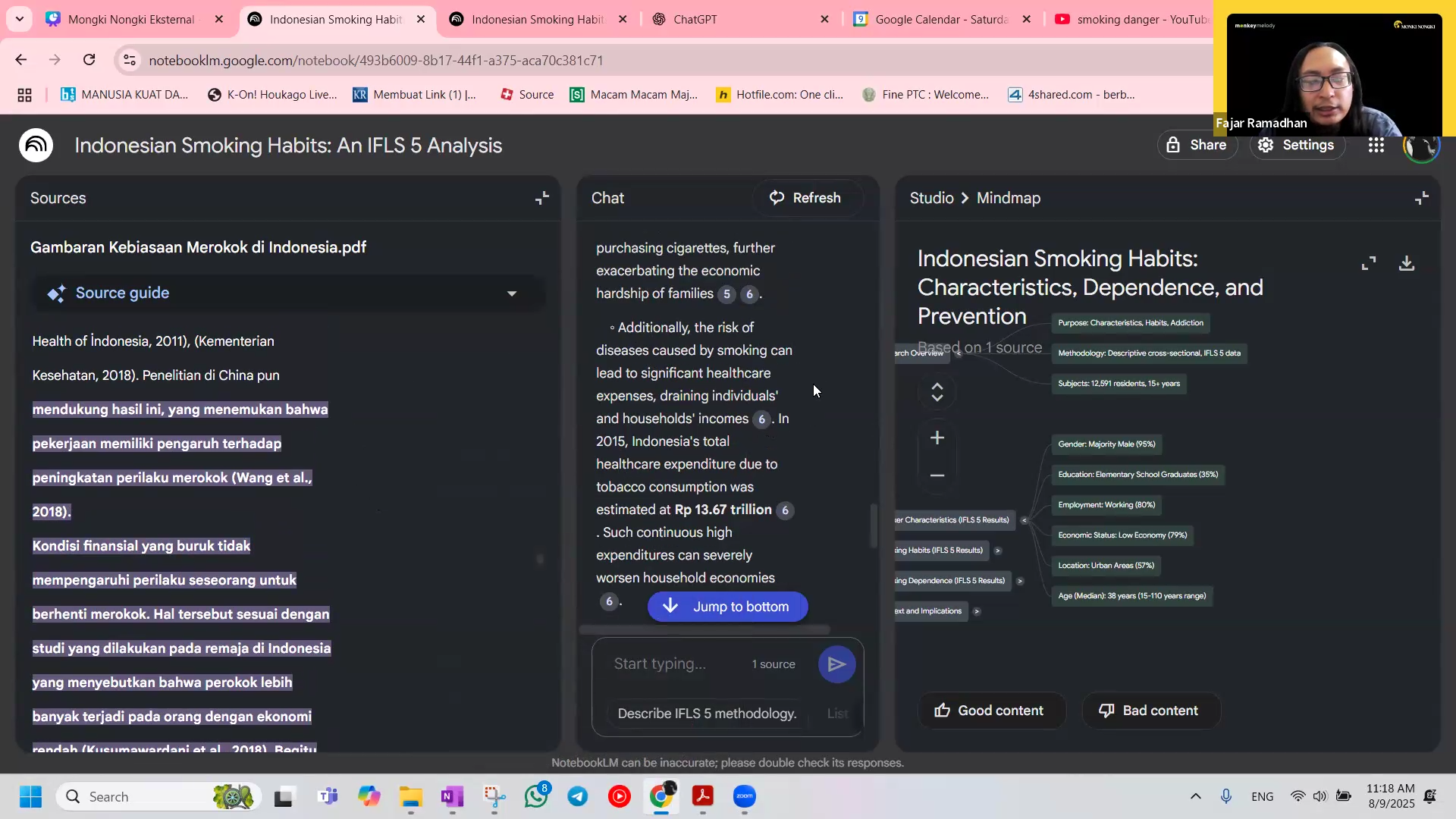
A Demonstration of How to Use NotebookLM
NotebookLM is one of Google's own innovations, built specifically to help users understand material drawn from multiple sources. Unlike other popular LLMs built for more general-purpose use, NotebookLM is built around document integration as its knowledge base. In other words, NotebookLM doesn't answer questions the way ChatGPT does — it stays focused on whatever material the user has uploaded. That significantly cuts down the risk of answers that are "made up" or off-topic.
With NotebookLM, you can upload modules, articles, books, and even article links, which then get extracted into key points that are far easier to digest. NotebookLM can also generate summaries, answer specific questions about a text, and even help sketch out a visual outline that fits the material's context. Mas Fajar also flagged that it's best to avoid uploading anything internal or highly sensitive.
Mas Fajar then walked through NotebookLM's features live, from uploading material to generating an audio summary. With NotebookLM, breaking down a document's content becomes far more efficient — there's no need to manually read hundreds of pages before building a storyboard, since NotebookLM can surface a summary and highlights that go straight to the core information. That said, it's still worth double-checking against the original source.
Through this demonstration, we hoped participants would come away understanding that even a popular LLM like ChatGPT has its limits, and that other tools can be more effective for specific purposes.
Having worked on more than 1,000 learning multimedia projects, Monkey Melody understands that every company faces different challenges and goals. That's why we offer a tailored approach to ensure every video we create achieves its intended training objective. By combining the latest technology with a creative approach, we're ready to help your company meet the training challenges of the future.
More insights
Research on Interactive Video Among Biology Students
The use of video as a self-paced e-learning medium has become standard practice in corporate training programs and higher education.
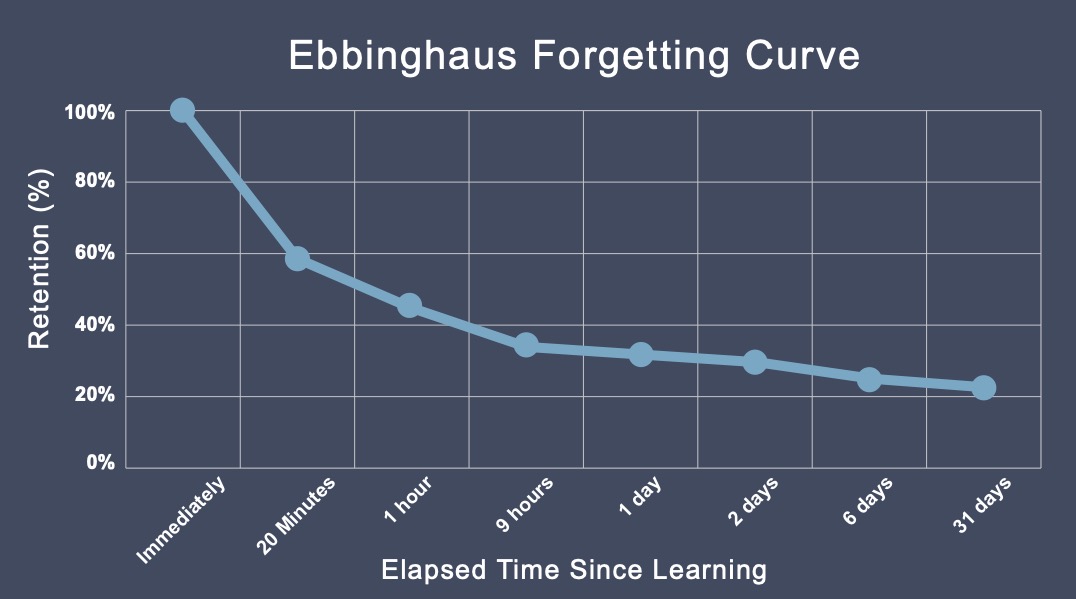
The Science Behind Why Microlearning Works
A single long training day often fails because it fights how the brain actually works — see how microlearning, the Forgetting Curve, and spaced repetition make material actually stick.
How AI Video Search Is Transforming Corporate L&D
Thousands of hours of training video pile up in your company's LMS, hard to search once a program ends — see how AI Video Search is changing the way L&D teams find specific moments buried in that dark data.
Want the short version, applied to your company?
Let's talk about what this means for you.
Get in touch