
Integrating the Personalization Principle Into Interactive Multimedia
Ever watched a learning video with language and delivery so stiff and formal it felt like sitting through a lecture? Formal education sessions tend to be delivered just like that…

Why Learning Should Feel Like a Conversation
Ever watched a learning video where the language and delivery felt completely stiff? Lectures and similarly formal education sessions tend to be delivered that way. It's not unusual to hear about — or notice yourself — people getting drowsy in sessions like that. Maybe you've felt it too.
The reality is, there are now plenty of education content creators who've managed to make genuinely engaging educational videos. Clearly, visuals play an important role. But what about the spoken delivery? It turns out many learning videos feel relevant and familiar in how they're delivered, even when the material itself is technical or complex. So where's the difference? It's in the delivery style.
Just like chatting with a friend, a more conversational, relatable delivery style tends to be more effective. That's because the human brain is simply wired to absorb information better through communication that feels human-to-human. Richard E. Mayer emphasizes exactly this in one of his principles: the Personalization Principle.
Applying the Personalization Principle in Interactive Multimedia
In the Personalization Principle, Mayer stresses that a conversational delivery style is far more effective. A conversational style here is the opposite of the formal, stiff language you'd find in a textbook. Why does this matter? Because the human brain naturally responds better to person-to-person communication. Word choice and tone that feel grounded and conversational make viewers feel like they're being spoken to directly.
So how does this apply within interactive multimedia? One of the biggest strengths of interactive learning is its ability to boost learner engagement. Active participation tends to help learners understand and remember the material better.
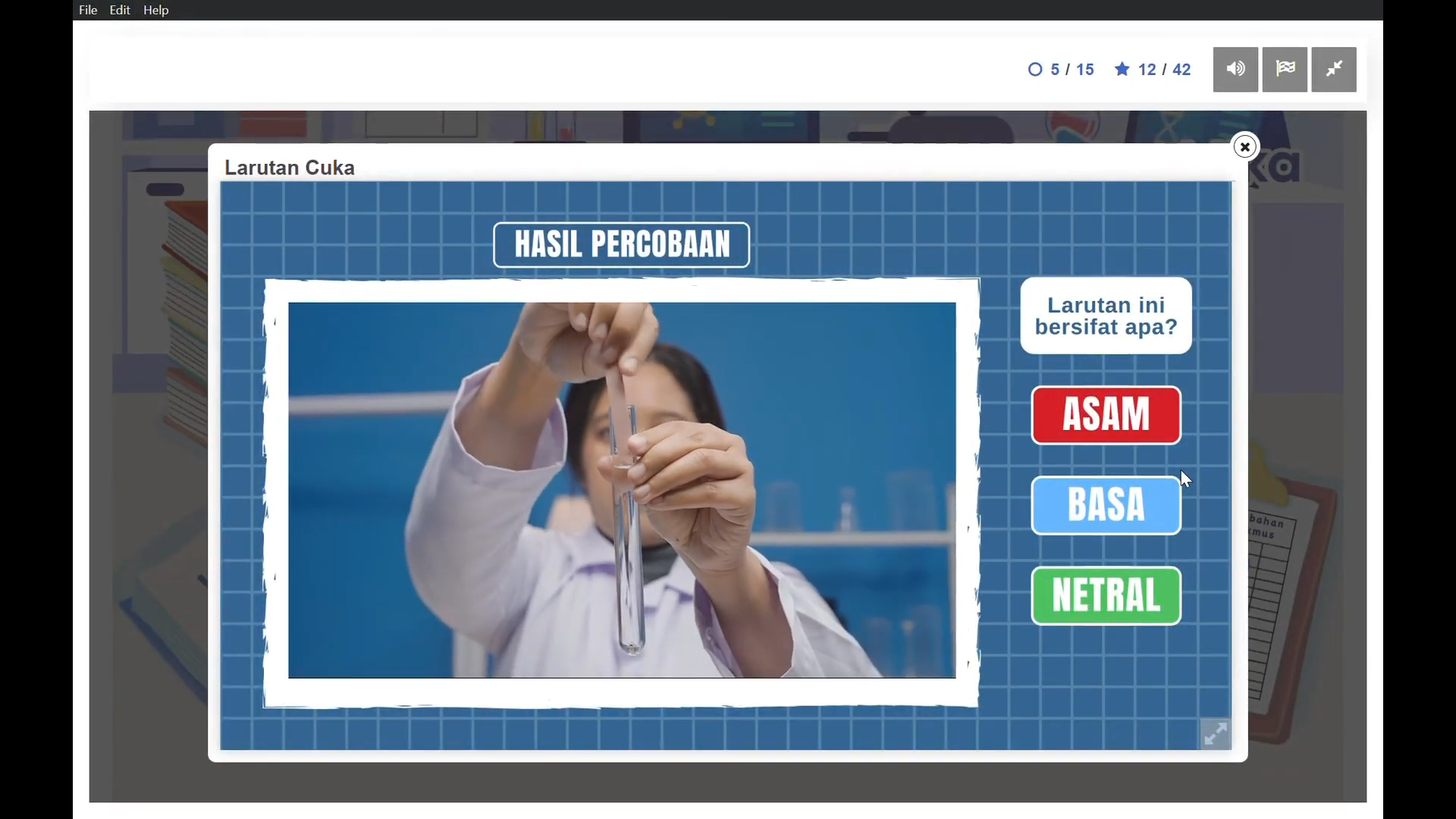
Interactivity, of course, can take many forms — quizzes, choices within a branching story, game-style maps, and so on. But across a learning video series, there's usually still a presenter delivering the material directly. Because of that, the script needs to weave the personalization principle into every interactive touchpoint.
For instance, in building an engaging interactive element, one thing Monkey Melody has done is insert quizzes at certain points to grab learners' attention. These moments also help trigger their recall of material covered earlier. A more inviting, conversational tone tends to work especially well in moments like these.
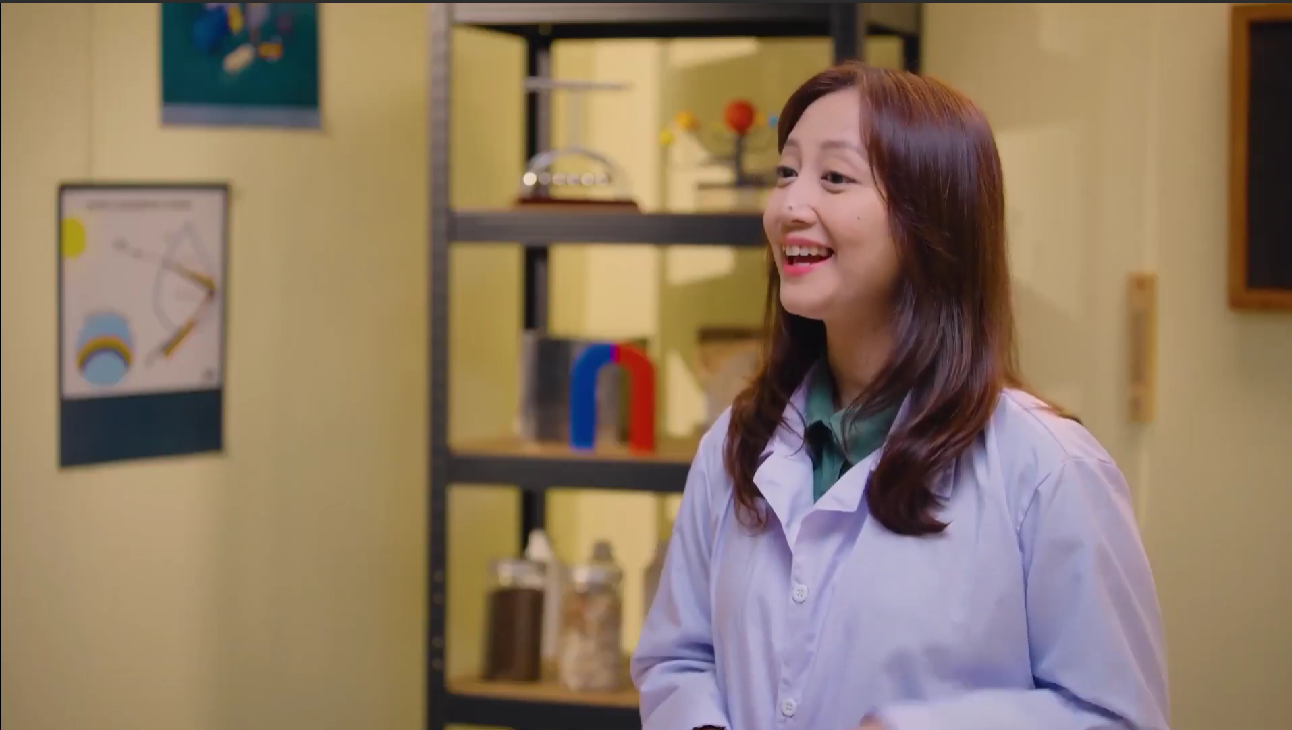
Of course, the Personalization Principle can be applied in many ways. As long as it stays aligned with the objective and avoids stiff, formal language, there's plenty of room to get creative.
That said, it's worth stressing that a personal tone doesn't mean being casual for the sake of it. The delivery style used by the on-screen talent also needs to match the audience's profile: are they new employees? Experienced professionals? Field teams, or senior managers?
This is exactly why the scriptwriting team's role is so critical. Producing delivery that still sounds professional, while staying warm and easy to absorb, takes a genuinely technical process — choosing the right words, structuring sentences, setting the tone, and more.
Having produced over 1,000 learning multimedia projects, Monkey Melody understands that every company faces its own distinct challenges and goals. That's why we offer a tailored approach to make sure every video we produce achieves the intended training outcomes. Using the latest technology and a creative approach, we're ready to help your company meet the training challenges of the future.
More insights
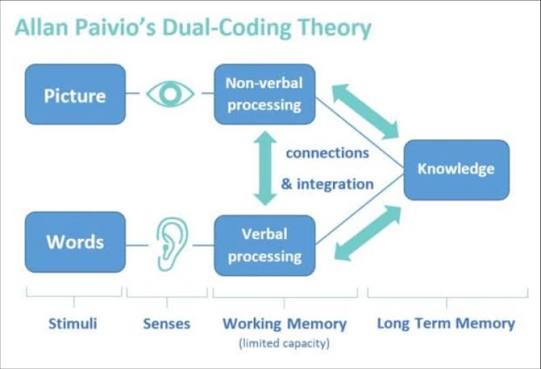
Research on Interactive Video Among Biology Students
The use of video as a self-paced e-learning medium has become standard practice in corporate training programs and higher education.
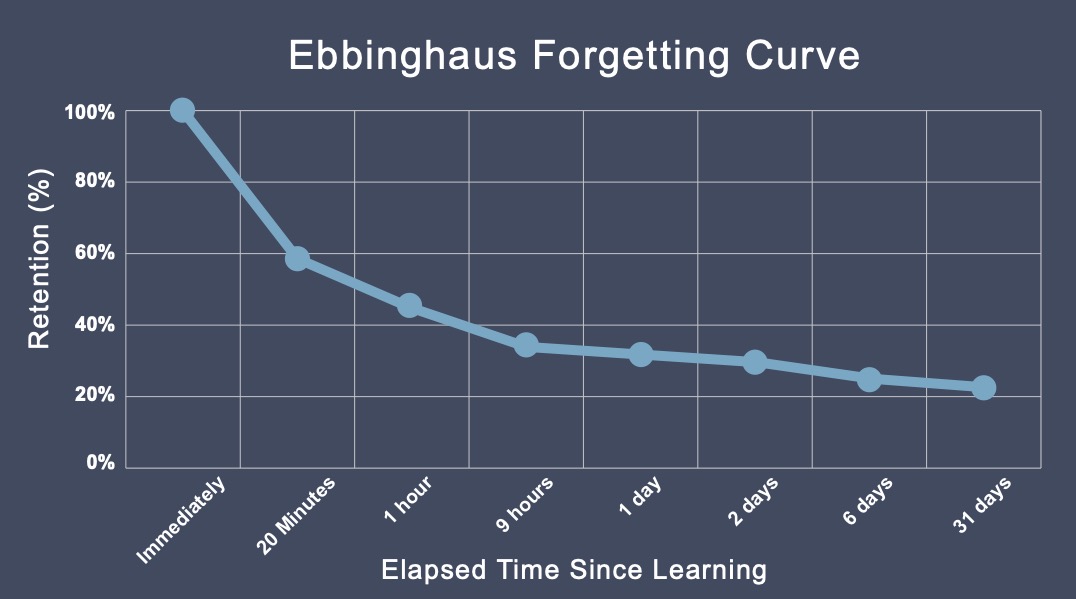
The Science Behind Why Microlearning Works
A single long training day often fails because it fights how the brain actually works — see how microlearning, the Forgetting Curve, and spaced repetition make material actually stick.
How AI Video Search Is Transforming Corporate L&D
Thousands of hours of training video pile up in your company's LMS, hard to search once a program ends — see how AI Video Search is changing the way L&D teams find specific moments buried in that dark data.
Want the short version, applied to your company?
Let's talk about what this means for you.
Get in touch