
The Power and Limits of Microlearning
Major platforms like LinkedIn Learning and Coursera have long embraced a model known as microlearning. LinkedIn Learning, with more than 23,000 courses updated every week…

Microlearning Has Become the Standard
Major platforms like LinkedIn Learning and Coursera have long embraced a model known as microlearning. LinkedIn Learning, with more than 23,000 courses updated every week, builds its content as a series of short videos accessible anytime. Some run for less than 3 minutes.
Coursera has developed a similar model. The LinkedIn Workplace Learning Report 2024 even states that microlearning will increasingly become part of everyday work.
Microlearning itself is defined as learning delivered in small chunks, designed to help learners stay focused and absorb material more easily. One popular microlearning format is video, the type of microlearning we most often work on at Monkey Melody. And there's solid scientific reasoning behind why microlearning can be so effective.
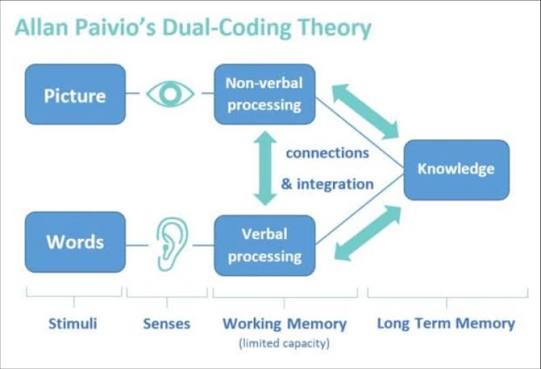
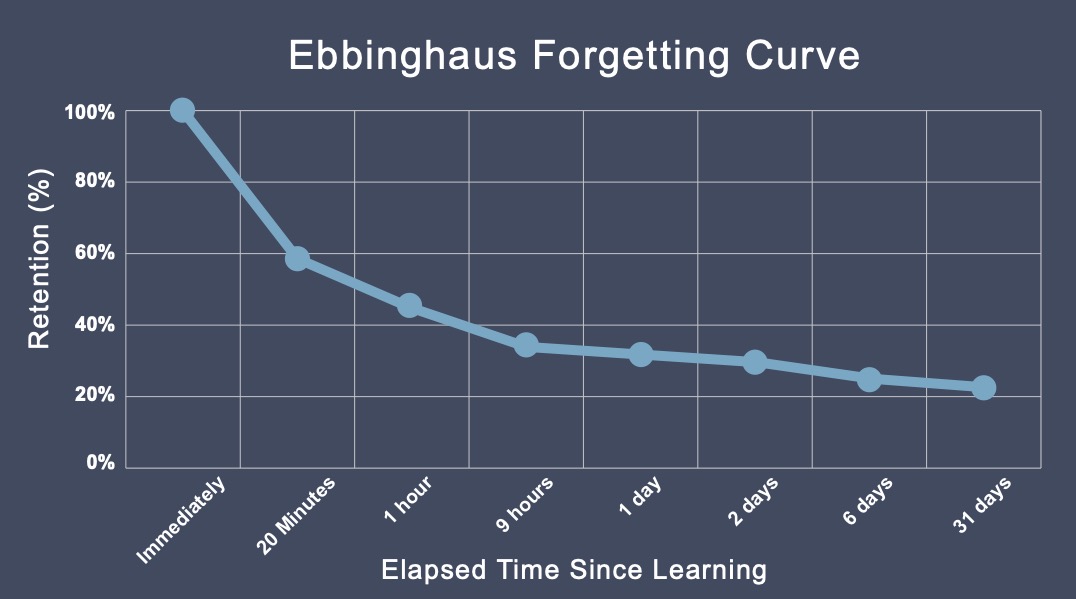
Cognitive Load Theory, developed by John Sweller, explains that the human brain has a limited capacity to process information at once. When material is too dense, working memory becomes overloaded and retention drops sharply. According to eLearning Industry, microlearning has been shown to boost retention rates by 25 to 60 percent compared to conventional training methods. Completion rates are also far higher. According to Continu, microlearning courses are completed by an average of 80 percent of participants, while lengthy e-learning courses are completed by only around 20 percent.
One frequently cited and genuinely successful case study is the collaboration between Walmart and Axonify. Walmart once faced a major challenge in training more than 75,000 employees across hundreds of distribution centers, spanning a wide generational range from Baby Boomers to Millennials.
They launched a gamified microlearning safety training program that took just 3 minutes per session, a duration chosen because it matched the time workers spent waiting for their forklift batteries to recharge. Each employee simply logged into the platform and answered two multiple-choice questions packaged as an interactive game, receiving instant feedback right away.
The results were striking. During the pilot phase across 8 distribution centers, workplace accident rates dropped dramatically by 54 percent. Employee understanding of safety procedures rose by 15 percent, and most surprisingly, voluntary participation reached 91 percent.
The Limits of Microlearning Worth Keeping in Mind
But now imagine a pharmaceutical company trying to train new staff to understand the complex mechanisms behind how a drug works. Would a series of three-minute videos really be enough? Probably not. This kind of knowledge involves many interconnected concepts and requires causal reasoning and deep structural understanding.
An academic review published in the Medical Education Bulletin (Nikkhoo et al., 2023) explicitly concludes that microlearning is not well suited to topics that require deep understanding and comprehensive exploration. The method is effective for reinforcement and retention, but it cannot build a complex knowledge foundation on its own.
Learning scientists call this phenomenon the efficiency paradox. Short learning sessions feel faster, but they can actually slow the path to lasting understanding when the material truly demands sustained engagement.
This is exactly why companies need a learning plan built around clear objectives. Microlearning does have its limits, but it can complement other learning media that support deep learning, such as books and modules.
This kind of integration is crucial for L&D teams designing a learning ecosystem that puts every medium in its right place. For example, a technical onboarding program might start with in-depth study through a manual or comprehensive module to build a foundation of understanding, which is then reinforced with microlearning for periodic retention. The same applies to leadership development: theoretical understanding drawn from in-depth literature and group discussion sessions remains an essential instrument that short video clips alone cannot fully replace.
This is a basic principle that's often forgotten. The effectiveness of any tool depends on using it the right way. Even the highest-quality screwdriver can't replace the role of a hammer when it comes to driving in a nail.
Ultimately, microlearning is a remarkable innovation, backed by data and cognitive science, that answers the dynamic learning needs of today's workforce. But its real strength lies in being a complementary element that makes the learning ecosystem more complete and efficient. By understanding this synergy, L&D teams can design learning journeys capable of producing real, lasting behavior change.
Having completed more than 1,000 learning multimedia projects, Monkey Melody understands that every company faces different challenges and goals. That's why we offer a tailored approach to ensure every video we produce achieves the intended training objective. Using the latest technology and a creative approach, we're ready to help your company face the training challenges of the future.
More insights
Research on Interactive Video Among Biology Students
The use of video as a self-paced e-learning medium has become standard practice in corporate training programs and higher education.
The Science Behind Why Microlearning Works
A single long training day often fails because it fights how the brain actually works — see how microlearning, the Forgetting Curve, and spaced repetition make material actually stick.
How AI Video Search Is Transforming Corporate L&D
Thousands of hours of training video pile up in your company's LMS, hard to search once a program ends — see how AI Video Search is changing the way L&D teams find specific moments buried in that dark data.
Want the short version, applied to your company?
Let's talk about what this means for you.
Get in touch