

When AI Enters the L&D Space in Indonesia
Did you know? Of all the countries in Southeast Asia, Indonesia is the most aggressive adopter of artificial intelligence, with AI adoption among workers reaching 92%, far…

Indonesia on the Global AI Map
Did you know? Of all the countries in Southeast Asia, Indonesia is the most aggressive adopter of artificial intelligence, with AI adoption among workers reaching 92%, far ahead of the Asia-Pacific average of 83% and the global average of 75%. This figure reflects a society that has already made AI part of its everyday routine.
The data paints a unique picture of Indonesia's position on the global AI landscape. A World Bank report (2024) places Indonesia among the top five countries worldwide for ChatGPT traffic, alongside the United States, India, Brazil, and the Philippines. This shows that Indonesia is competing directly with economies far larger than its own.
At the regional level, McKinsey (2026) reports that 51% of Indonesian companies have made progress toward AI adoption at scale, placing Indonesia as one of two regional leaders in Southeast Asia, alongside Singapore.
Meanwhile, Seasia.co reports that Indonesia and Vietnam have the highest rates of population-level AI adoption in the region, each at around 42%. This shows that high AI adoption doesn't always correlate with wealth or advanced infrastructure.
A 2024 global survey found that 80% of Indonesians view AI as a beneficial technology. With a population of more than 270 million, the majority of whom are young, Indonesia offers remarkably fertile ground for technology adoption to keep growing. Deloitte (2024) also reports that 72% of employees in Southeast Asia are already using generative AI at work, with daily usage projected to surge by 232% over the next five years.
Interestingly, though, BCG's 2024 AI Maturity Assessment categorizes Indonesia as a "rising contender," a country with high readiness potential that still faces real gaps in research investment, digital infrastructure outside major cities, and a mature AI ecosystem.
AI Adoption Trends Reach Corporate Learning & Development
At many companies, HR and L&D teams have already begun using AI to speed up training content production, from automated scripts and synthetic voiceovers to digital avatars that can speak Indonesian. Platforms like Synthesia, ElevenLabs, and various ChatGPT-based tools are now part of the production workflow for learning video teams at many large organizations.
Josh Bersin, one of the most influential analysts in the global L&D industry, argues that generative AI can turn processes that once took weeks into a matter of hours, from module creation to learning path personalization and real-time learning analytics.
Synthesia reports that companies using AI for training video production have seen participant engagement jump by as much as 30% compared to conventional methods.
Yet even though many L&D teams in Indonesia already have decent AI literacy, that doesn't necessarily mean they have a strong foundation in instructional design. Designing pedagogically effective video takes specific insight and expertise. AI can generate fluent narration and compelling visuals, but it doesn't automatically understand how people actually learn.
ELM Learning, a leading instructional design firm, points out that no matter how advanced the AI being used, someone still has to define learning outcomes aligned with business goals, verify that the content is accurate from a subject-matter standpoint, design how material and participant interaction are presented, and ensure the entire content meets accessibility standards.
An effective learning video production team in the AI era isn't just one that's fluent with the tools. Understanding the Cognitive Theory of Multimedia Learning, for instance, is just as important for designing content that doesn't overload learners' working memory.
They need to know when microlearning works better than long-form video, how to build an efficient production pipeline so AI actually saves time instead of creating layers of revisions, and why a well-developed storyboard remains an indispensable foundation, even now that AI can generate visuals in a matter of seconds.
Many Indonesian companies have already started this journey on the right foot, treating AI as an accelerator rather than a replacement for learning design expertise. The ones who succeed are those who understand that AI is a tool in the hands of a thoughtful designer, not a substitute for depth of thinking.
Having completed more than 1,000 learning multimedia projects, Monkey Melody understands that every company faces different challenges and goals. That's why we offer a tailored approach to ensure every video we produce achieves the intended training objective. Using the latest technology and a creative approach, we're ready to help your company face the training challenges of the future.
More insights
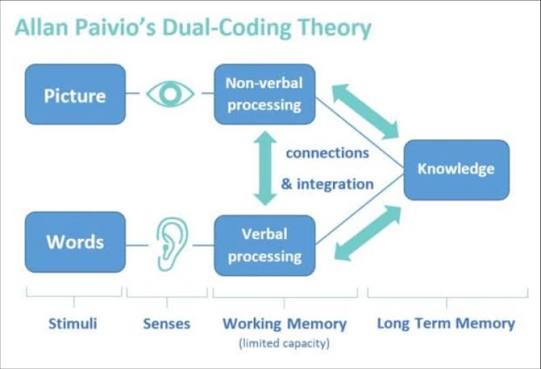
Research on Interactive Video Among Biology Students
The use of video as a self-paced e-learning medium has become standard practice in corporate training programs and higher education.
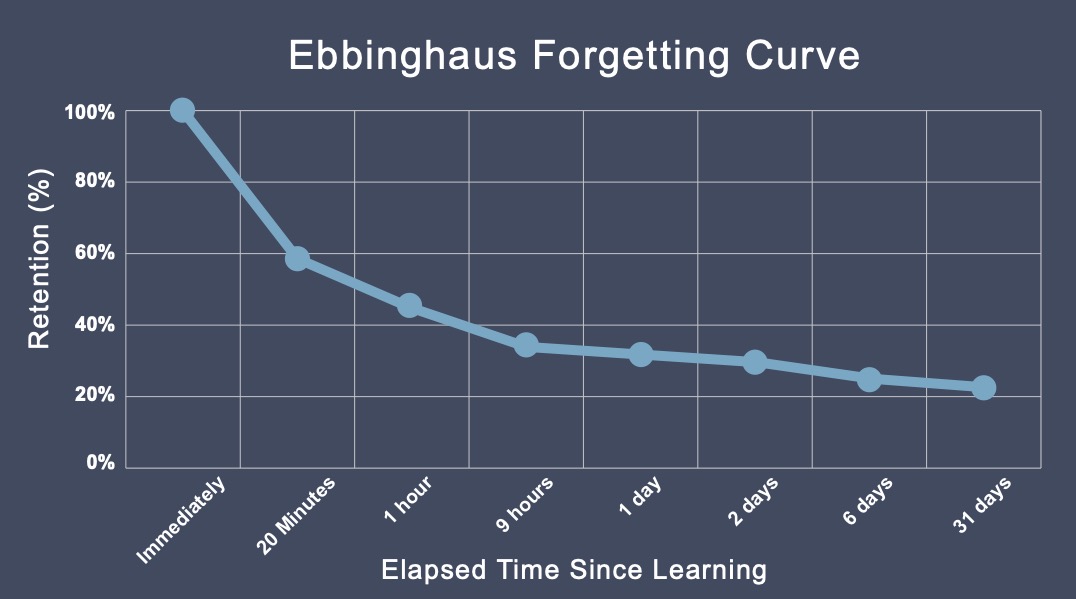
The Science Behind Why Microlearning Works
A single long training day often fails because it fights how the brain actually works — see how microlearning, the Forgetting Curve, and spaced repetition make material actually stick.
How AI Video Search Is Transforming Corporate L&D
Thousands of hours of training video pile up in your company's LMS, hard to search once a program ends — see how AI Video Search is changing the way L&D teams find specific moments buried in that dark data.
Want the short version, applied to your company?
Let's talk about what this means for you.
Get in touch