
Planning to Use Animation for Your Learning Video? Know Your Audience First
One of the key things to get right when producing a learning video is making sure the visual style actually matches your audience profile.

Why the Type of Animation Should Match Your Audience
One of the key things to get right when producing a learning video is making sure the visual style actually matches your audience profile.
Research from Senate Media shows that visual preferences vary sharply across generations. Gen Z employees, born between 1997 and 2012, respond far better to content that is fast, bold, and mobile-friendly — a direct result of this generation growing up immersed in the video formats of TikTok and Instagram Reels.
Millennials, who now dominate mid-level management, respond differently: they value authentic storytelling. They respond positively to 2D character animation paired with relatable narratives, and microlearning formats of 3–5 minutes work especially well for this segment. Meanwhile, for Gen X and Baby Boomers in senior roles, informative motion graphics with a slower pace and clear data visualization tend to be appreciated more.
Beyond generation, industry also plays a significant role. The technology and SaaS sectors, for instance, lean heavily on screencast animation for product demos, while manufacturing tends to need 3D animation for spatial understanding and detailed components and mechanisms.
2D or 3D?
3D animation has advantages no other format can match, such as the ability to view an object from a full 360 degrees and simulate exactly how a piece of equipment works. This capability makes it possible to visualize concepts that would otherwise be nearly impossible to film, with a high degree of precision.
Boeing offers one of the most concrete examples. The aircraft manufacturer uses HoloLens-based augmented reality technology to train workers on aircraft wiring harness installation. According to data from Medium, Boeing recorded a 75% reduction in training time per person, along with a 30–33% improvement in speed and accuracy.
Even more striking, error rates dropped dramatically. For training on cargo door seal procedures, which involve 50 complex steps, the time needed to reach full competency fell from one year to just one week.
Indonesian companies such as PT Pertamina have also adopted AR and VR technology extensively through Assemblr, a startup from Bandung. According to information from Assemblr World and Hologram Indonesia, Pertamina uses AR for training on oil rig platforms, covering everything from assembly procedures to maintenance. Pertamina Hulu Rokan has even implemented VR training for emergency response scenarios such as fires and earthquakes, complete with realistic sensory feedback. Their VR Demo Room uses simulations for PPE training in refinery areas, built with 3D assets created in Unity and Blender.
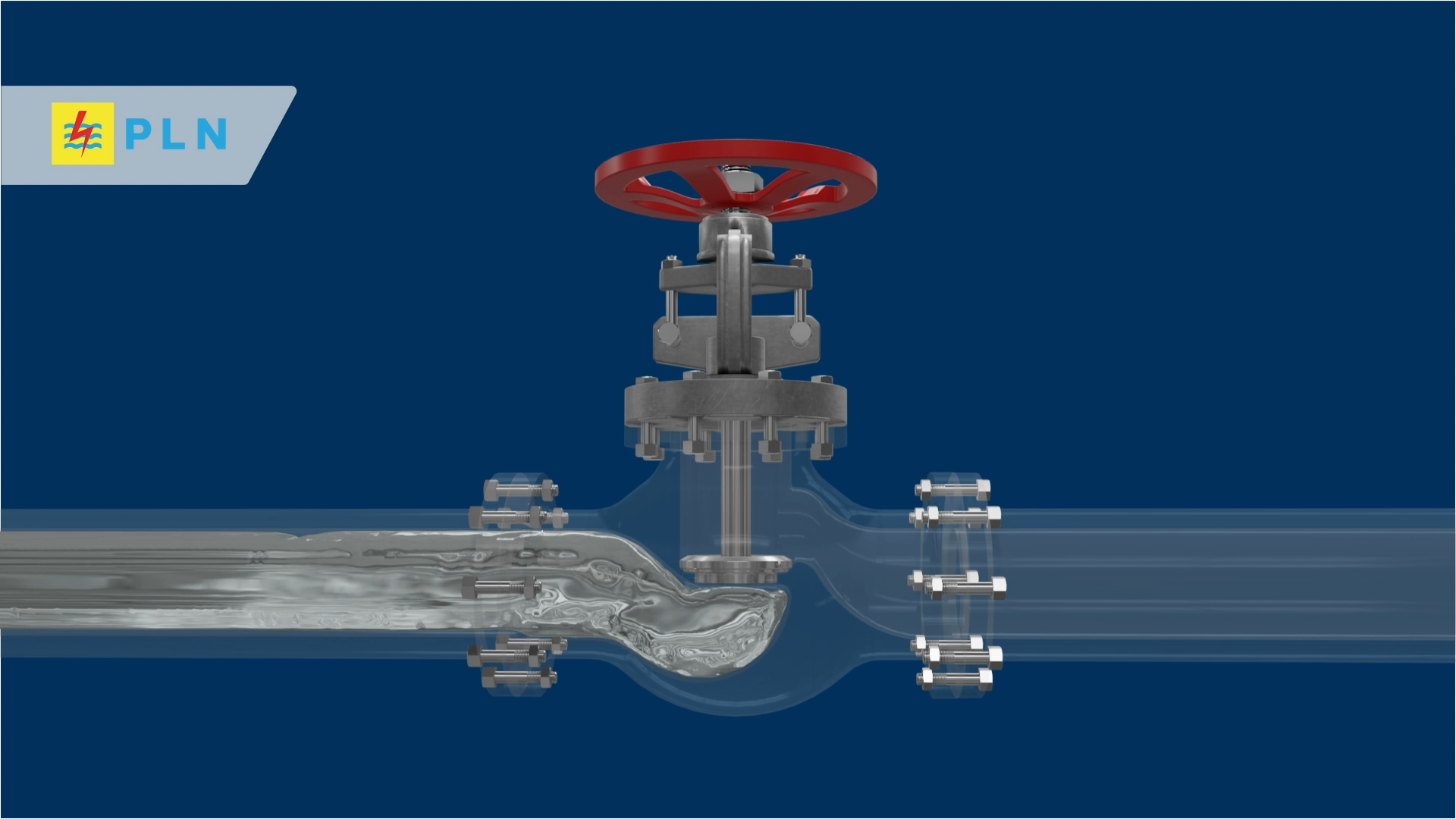
While 3D animation, AR, and VR technologies offer tremendous flexibility for learning, there's no denying that they come at a high cost. According to data from Broadcast2World, 3D animation production costs range from USD 6,000 to USD 25,000 per minute. So, could 2D animation be a viable alternative?
Naturally, it all comes down to the specific need. In reality, 2D motion graphics dominate internal L&D content. Based on data from Yans Media and Broadcast2World, there are several key reasons for this. First, production costs are the most competitive within the professional animation segment, ranging from USD 900 to USD 4,500 per minute — far lower than character animation (USD 3,500–9,500) or 3D animation.
Second, production time is much faster than 3D. Under tight deadlines or when high output volume is required, motion graphics are more than sufficient for content that doesn't demand a high level of precision.
Third, it's easier to update and localize. Because motion graphics focus on graphic elements like text and varied shapes, the production and revision process is far less complex than 3D animation.
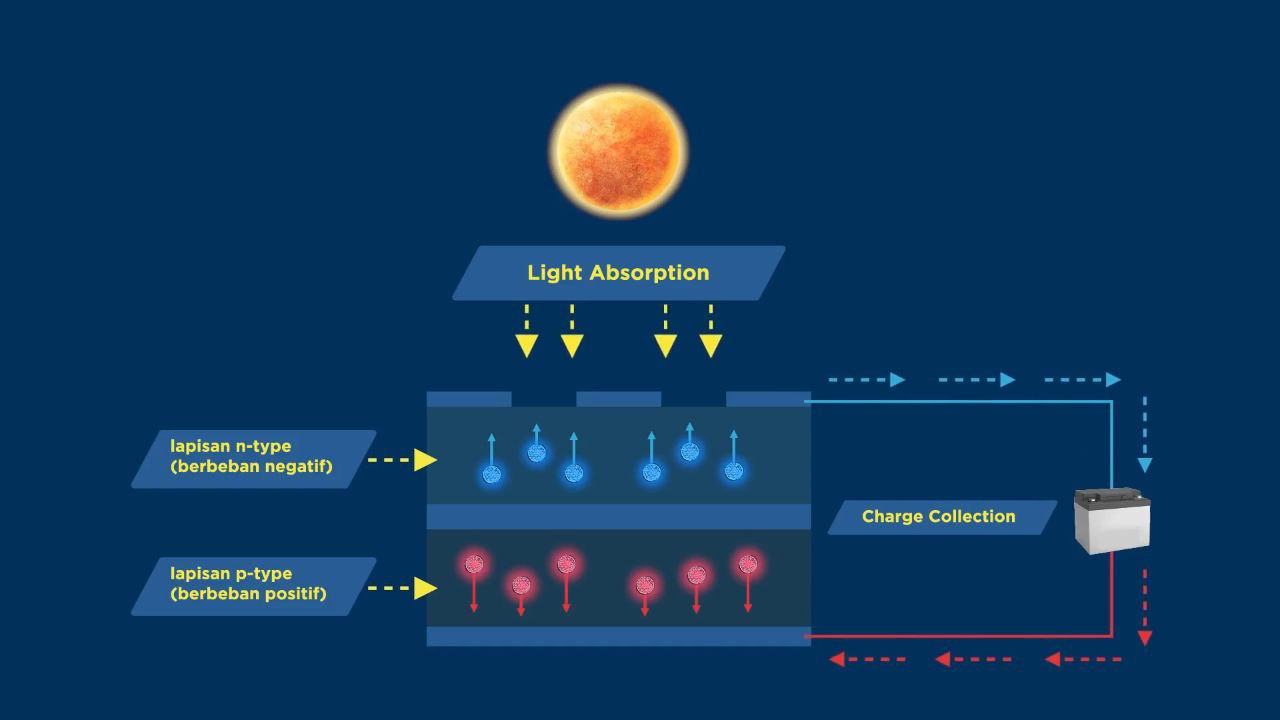
After working on more than 1,000 multimedia learning projects, Monkey Melody understands that every company faces different challenges and goals. That's why we offer a tailored approach to ensure that every video we produce achieves its intended training objective. With the latest technology and a creative approach, we're ready to help your company tackle the training challenges of the future.
More insights
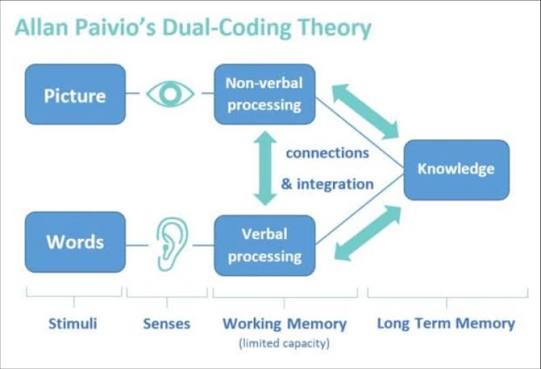
Research on Interactive Video Among Biology Students
The use of video as a self-paced e-learning medium has become standard practice in corporate training programs and higher education.
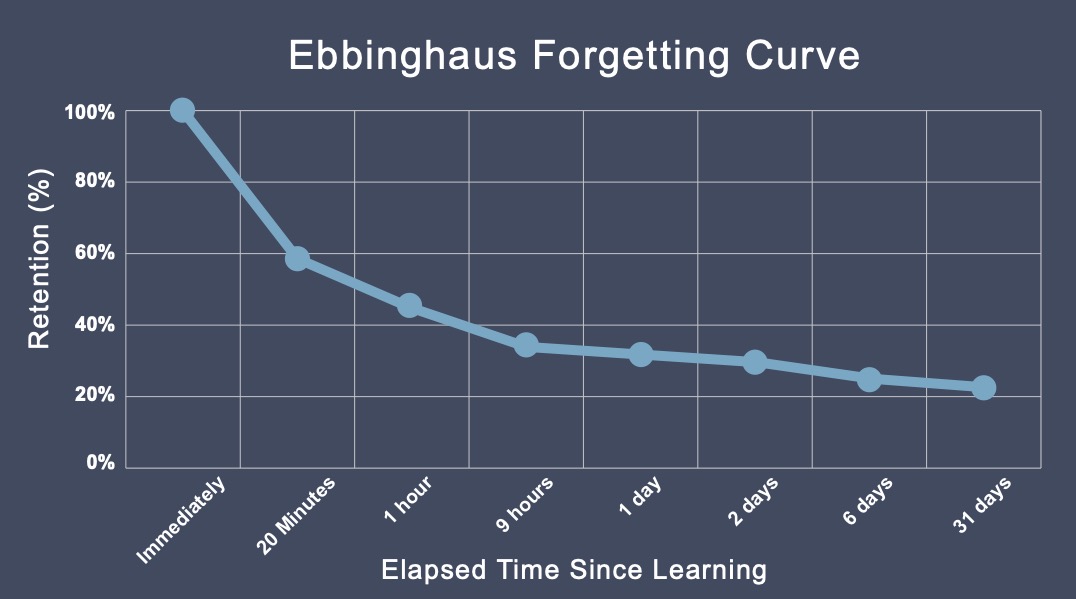
The Science Behind Why Microlearning Works
A single long training day often fails because it fights how the brain actually works — see how microlearning, the Forgetting Curve, and spaced repetition make material actually stick.
How AI Video Search Is Transforming Corporate L&D
Thousands of hours of training video pile up in your company's LMS, hard to search once a program ends — see how AI Video Search is changing the way L&D teams find specific moments buried in that dark data.
Want the short version, applied to your company?
Let's talk about what this means for you.
Get in touch