
Understanding the Limited Capacity Assumption: The Brain's Limits and What They Mean for Multimedia Learning Design
Ever felt mentally overloaded while watching a training video crammed with too much information? There's real science behind that feeling. In the Cognitive Theory of Multimedia Learning (CTML)...

What Is the Limited Capacity Assumption?
Ever felt mentally overloaded while watching a training video crammed with too much information? There's real science behind that feeling. In the Cognitive Theory of Multimedia Learning (CTML) developed by Richard E. Mayer, there are three core ideas that explain how humans process information from learning media. One of them is the Limited Capacity Assumption — the idea that the human brain has a finite capacity for processing information at any given moment.
This limit is exactly why multimedia learning design needs to be handled with care, so learners don't end up overwhelmed.
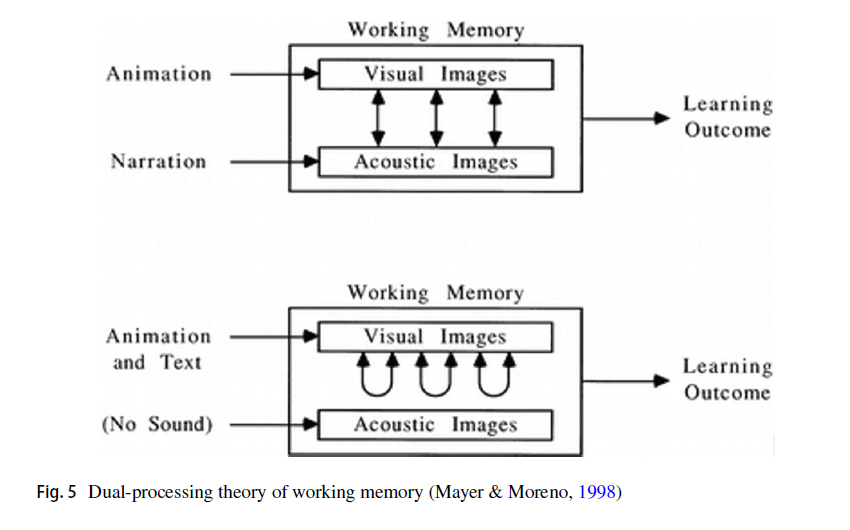
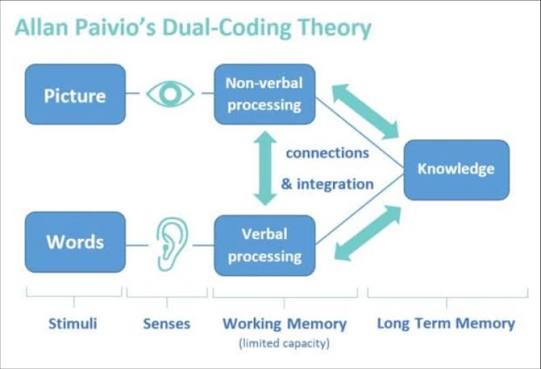
Put simply, the Limited Capacity Assumption states that humans can only process a small amount of information at a time within each channel. By "channel," we mean visual and auditory. In other words, when someone watches a learning video, their brain works through two separate pathways: the visual pathway, which processes images, text, and other visual elements, and the auditory pathway, which processes narration or sound.
Both pathways have limited capacity. If too many elements are presented at once, some of that information fails to get properly stored in working memory — the short-term memory that plays a critical role in understanding and processing new knowledge.
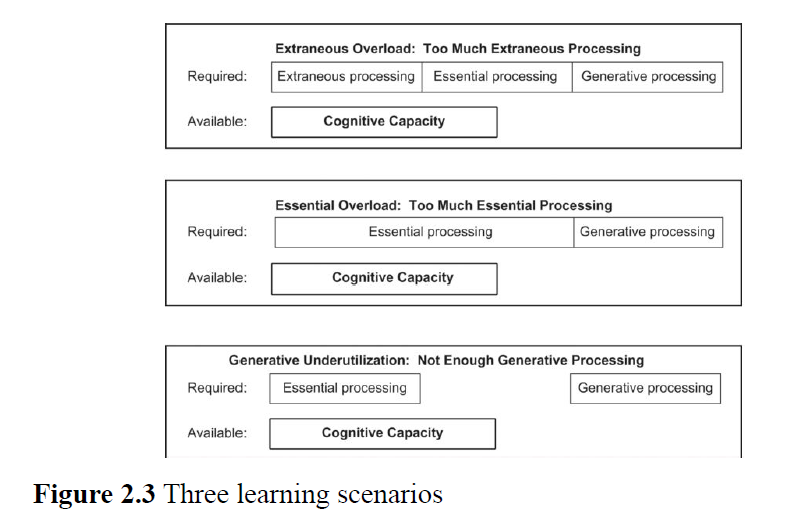
In digital training, this phenomenon is known as cognitive overload — a state where a learner's brain capacity is already full before they've even had a chance to absorb the material. Mayer explains that cognitive load falls into three categories:
- Extraneous Processing: Load that does nothing to support the learning objective, usually caused by cluttered visual design or confusing placement of elements.
- Essential Processing: Load that arises from the inherent complexity of the material itself — the part learners genuinely need to grasp in order to understand the core concept.
- Generative Processing: The mental effort learners put into understanding, connecting, and applying new information to what they already know.
When extraneous load becomes too large, the capacity available for essential and generative load shrinks accordingly. The result? Learners feel fatigued, lose focus, or only retain a small fraction of the material.
Design Strategy: Managing Capacity Limits for Effective Learning
To help learners learn more efficiently, Mayer proposes three key goals for multimedia learning design. All three focus on how we can manage cognitive load to fit within the brain's capacity, without sacrificing the depth of understanding we're aiming for.
The first goal is reducing extraneous processing — the cognitive load that arises from elements that don't support the learning objective. In practice, this means keeping the visual presentation free of irrelevant elements and staying focused on the core message. Designers can add visual markers such as highlights or arrows to help learners direct their attention to the important parts.
In addition, related elements such as text and images should be presented close together and at the same time, so the brain doesn't have to jump back and forth between different pieces of information. This principle allows learners to process information more efficiently, without being thrown off by confusing layouts or unnecessary delays.
The second goal is managing essential processing, the cognitive load that comes from the inherent complexity of the material itself. Not every topic can be absorbed all at once, so content needs to be broken down into smaller parts that can be learned gradually. This approach gives learners time to truly understand one concept before moving on to the next.
Beyond that, providing an upfront introduction to key terms or concepts can also help learners build a stronger framework for understanding before diving into the core material. In a multimedia context, using voice narration to explain a visual has also proven effective, because it distributes the load across the visual and auditory channels, so learners don't get worn out processing too much visual information at once.
Finally, learning design should also encourage generative processing — learners' effort to connect new knowledge with what they already know. To achieve this, a delivery style that feels personal and warm is often more effective than language that is overly formal or flat. Narration delivered with human intonation and a natural speaking style can boost learners' emotional engagement, making the learning process feel more alive.
Beyond that, combining text and visuals into a single, meaningful whole will reinforce understanding. To get learners genuinely thinking and engaged, simple activities such as reflection prompts, short quizzes, or interactive simulations can be built into the learning experience.
These three strategies help ensure that every element in a learning video works in harmony with how the human brain actually functions. When cognitive load is managed well — neither too light, which leaves learners passive, nor too heavy, which leaves them overwhelmed — learning becomes far more effective and enjoyable.
After working on more than 1,000 multimedia learning projects, Monkey Melody understands that every company faces different challenges and goals. That's why we offer a tailored approach to ensure that every video we produce achieves its intended training objective. With the latest technology and a creative approach, we're ready to help your company tackle the training challenges of the future.
More insights
Research on Interactive Video Among Biology Students
The use of video as a self-paced e-learning medium has become standard practice in corporate training programs and higher education.
The Science Behind Why Microlearning Works
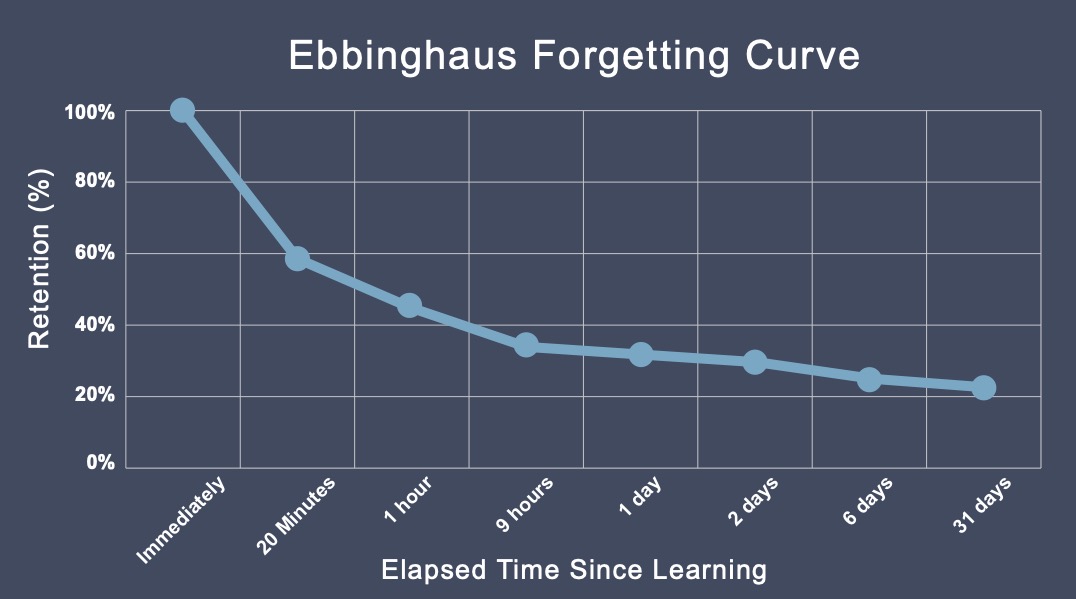
A single long training day often fails because it fights how the brain actually works — see how microlearning, the Forgetting Curve, and spaced repetition make material actually stick.
How AI Video Search Is Transforming Corporate L&D
Thousands of hours of training video pile up in your company's LMS, hard to search once a program ends — see how AI Video Search is changing the way L&D teams find specific moments buried in that dark data.
Want the short version, applied to your company?
Let's talk about what this means for you.
Get in touch