
Getting the Most Out of Highlights and Arrows in Learning Videos
Within Richard E. Mayer's 12 principles of the Cognitive Theory of Multimedia Learning, the Signaling Principle states that people learn better when multimedia material includes cues...

Using Visual Elements as Emphasis
Within Richard E. Mayer's 12 principles of the Cognitive Theory of Multimedia Learning, the Signaling Principle states that people learn better when multimedia material includes cues that direct their attention to important elements. Applying this principle helps guide the cognitive selection process already happening inside a learner's brain, making it more efficient.
This matters because human working memory has a very limited capacity. Every time a learner watches a learning video, their brain has to carry out three processes at once: selecting which information is relevant (selecting), organizing it into a coherent mental representation (organizing), and integrating it with existing knowledge (integrating).
Without signals to support the selecting process, learners are forced to scan the entire content on their own. That cognitive effort eats into capacity that should instead be allocated to understanding the material.
A meta-analysis by Schneider and colleagues (2018), covering 103 studies with 12,201 participants, found that signaling boosts retention with a fairly significant effect. A study by Alpizar and colleagues (2020), which analyzed 29 experimental studies with 2,726 participants, likewise confirmed that signaling is consistently linked to improved learning outcomes.
Both meta-analyses found that visual signals such as arrows and highlights tend to produce a stronger effect than textual signals such as bold print or underlining, particularly for learners who don't yet have a strong foundation in the material.
Planning Signals from the Storyboarding Stage
The human brain has a limited processing capacity, so learners can easily feel overwhelmed when given large volumes of information without clear, deliberate structure. The Signaling Principle helps address this by providing clear markers that highlight important elements, allowing the brain to process and organize information more effectively. As a result, unnecessary cognitive load can be reduced, and learning becomes more efficient.
Signaling generally isn't something you bolt on during post-production. Signal elements are ideally planned as early as the storyboard phase. At this planning stage, the production team can still discuss and revise things easily, which is far harder once the design and animation have already been built.
In practice, signaling in a learning video can take many forms. At its core, simple elements such as arrows and bullet points are already highly effective at directing learners' attention. Arrows serve as a crucial visual guide, especially when presenting a large amount of information on a single screen. By syncing the movement of an arrow with the audio narration, instructors can ensure the audience focuses on exactly the right detail and understands how different pieces of information relate to one another in a more systematic way.
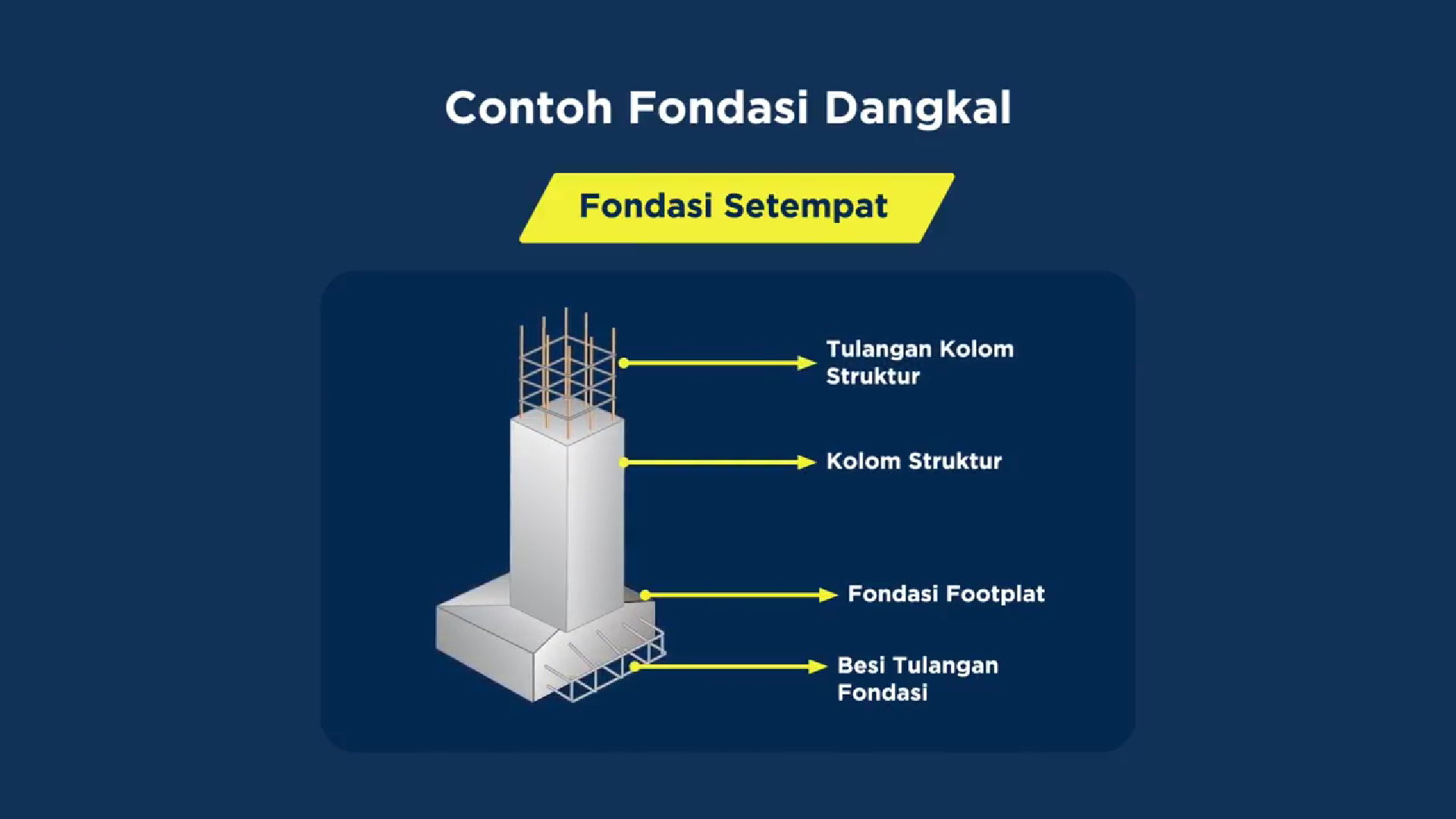
Besides arrows, bullet points can also be a valuable tool, even though we may already use them often in simple slides. Bullet points can be used to emphasize key points, break a larger element down into smaller parts, lay out sequential steps, and so on.
Beyond that, a highlight box in a contrasting color can also draw attention to a piece of text or a number. If an element like this feels excessive, a zoom-in can be used instead to create a more modern feel.
That said, it's worth noting that not every storyboard creator knows what actually needs to be highlighted. Deciding which elements deserve emphasis is a pedagogical decision, and one that can only be made by someone with a solid grasp of the material.
A storyboarder might know how to place a visually appealing highlight box, but not necessarily how to place that box strategically. That's exactly why close collaboration between the storyboard team and the Subject Matter Expert (SME) in the early production phase is so important. All of these decisions form the set of instructions that guide designers, editors, and animators throughout the process.
After working on more than 1,000 multimedia learning projects, Monkey Melody understands that every company faces different challenges and goals. That's why we offer a tailored approach to ensure that every video we produce achieves its intended training objective. With the latest technology and a creative approach, we're ready to help your company tackle the training challenges of the future.
More insights
Research on Interactive Video Among Biology Students
The use of video as a self-paced e-learning medium has become standard practice in corporate training programs and higher education.
The Science Behind Why Microlearning Works
A single long training day often fails because it fights how the brain actually works — see how microlearning, the Forgetting Curve, and spaced repetition make material actually stick.
How AI Video Search Is Transforming Corporate L&D
Thousands of hours of training video pile up in your company's LMS, hard to search once a program ends — see how AI Video Search is changing the way L&D teams find specific moments buried in that dark data.
Want the short version, applied to your company?
Let's talk about what this means for you.
Get in touch