

Making Learning Videos Hit Home Through a Personal Tone of Voice
In today's fast-paced, high-demand corporate world, learning effectiveness is no longer just about complete material. What matters more is how that material is delivered so it's easy to digest...

The Personalization Principle
In today's fast-paced, high-demand corporate world, learning effectiveness is no longer just about complete material. What matters more is how that material is delivered so it's easy to digest and genuinely relevant to the learner.
One approach that's proven highly effective for keeping an audience engaged is the Personalization Principle, a concept introduced by Richard E. Mayer, an expert in multimedia learning. This principle states that a more personal delivery style, such as a conversational tone, can actually improve learners' comprehension and retention.
A conversational tone is the opposite of formal, stiff, textbook-like language. Why does this matter? Because the human brain naturally responds better to person-to-person communication. Grounded word choices and sentence structure, paired with a tone that feels like real conversation, make viewers feel like they're "being talked with" rather than "being lectured at."
From Script to Camera: Shaping Tone of Voice From the Start
That said, it's worth emphasizing that a personal tone of voice doesn't mean being casual for the sake of it. At Monkey Melody, we make sure the delivery style used by our talent is always tailored to the character of the audience: are they new employees? Experienced professionals? Field teams or senior managers?
All of this gets designed from the script-writing stage onward. This is where our writing team selects the right diction, sentence structure, and tone to keep the message professional, while still feeling warm and communicative.
For instance, the approach used for workplace safety training aimed at field staff will differ from the approach used for leadership development material aimed at a managerial team. Both use a personal style, but with an emphasis and language choice relevant to their respective contexts.
A tone that's too casual can actually undermine the credibility of the content, except in situations where the target audience and objective genuinely call for it. That's why a solid understanding of the training context is essential.
Applying a personal tone of voice doesn't stop at the script. The talent delivering the video is also coached to convey the material with intonation, expression, and body language that reinforce that communicative feel. It's not about overacting, just enough to build a genuine connection with the viewer.
All of this is part of our commitment to designing learning videos that are not only informative, but also feel relevant and enjoyable to watch.
After working on more than 1,000 multimedia learning projects, Monkey Melody understands that every company faces different challenges and goals. That's why we offer a tailored approach to ensure that every video we produce achieves its intended training objective. With the latest technology and a creative approach, we're ready to help your company tackle the training challenges of the future.
More insights
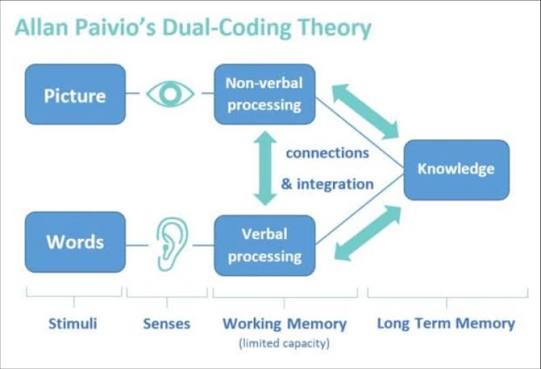
Research on Interactive Video Among Biology Students
The use of video as a self-paced e-learning medium has become standard practice in corporate training programs and higher education.
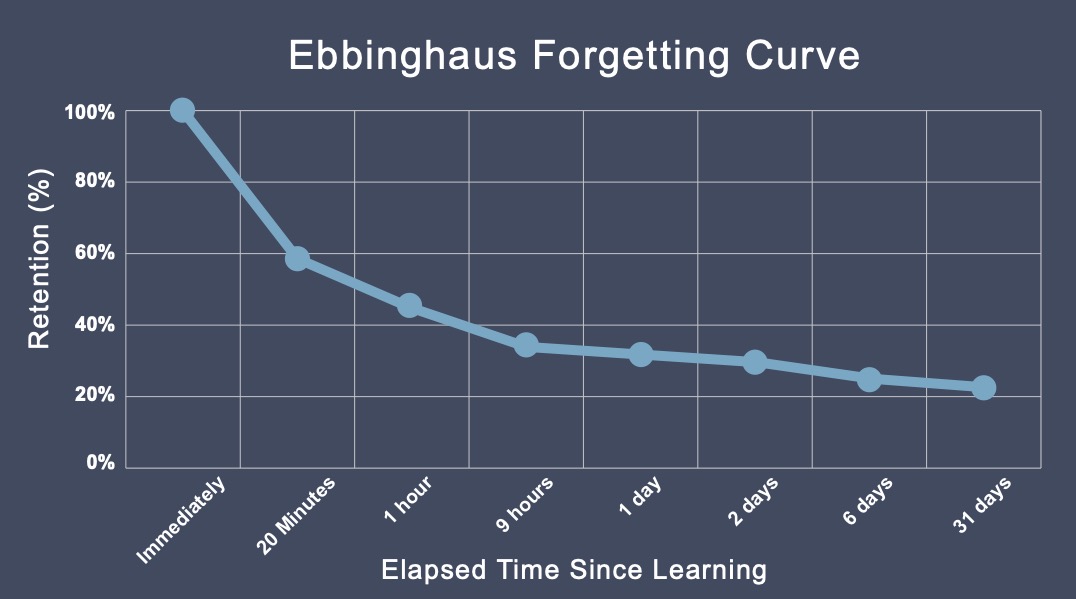
The Science Behind Why Microlearning Works
A single long training day often fails because it fights how the brain actually works — see how microlearning, the Forgetting Curve, and spaced repetition make material actually stick.
How AI Video Search Is Transforming Corporate L&D
Thousands of hours of training video pile up in your company's LMS, hard to search once a program ends — see how AI Video Search is changing the way L&D teams find specific moments buried in that dark data.
Want the short version, applied to your company?
Let's talk about what this means for you.
Get in touch