
Winning Gen Z's Attention Through a Microlearning Video Approach
Every year, the share of Generation Z talent in the workplace keeps growing. The presence of this young talent brings its own set of challenges for HR and L&D, especially in designing...

Applying the Concept of Chunking and Just-in-Time Learning
Every year, the share of Generation Z talent in the workplace keeps growing. The presence of this young talent brings its own set of challenges for HR and L&D teams, particularly in designing training and development programs.
Even when a company's Learning Management System (LMS) is already packed with impressive features, we still need to make sure new employees can actually absorb the modules or learning videos effectively, not just tick a box to meet a requirement.
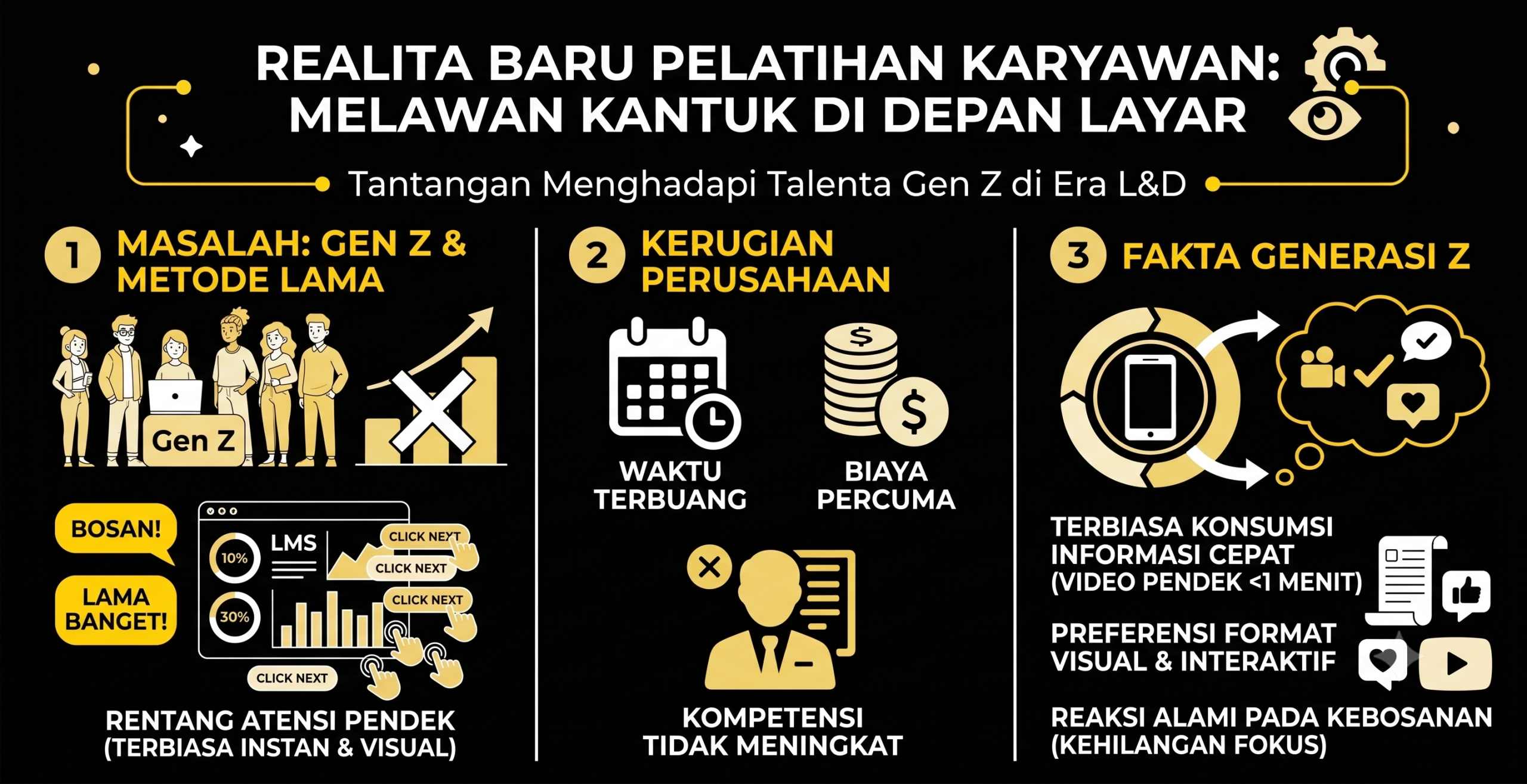
The reality is, Gen Z grew up in an era of highly instant, highly visual information consumption. They're used to absorbing information through short-form video, often under a minute, on social media platforms like TikTok and Instagram.
When faced with a conventional, text-heavy e-learning module, or an uninterrupted orientation video running for dozens of minutes, boredom is an entirely natural response. Their attention span simply isn't built to process large chunks of passive information all at once. If we insist on sticking with the old methods, besides wasting time and money, employee competency will end up stagnating.
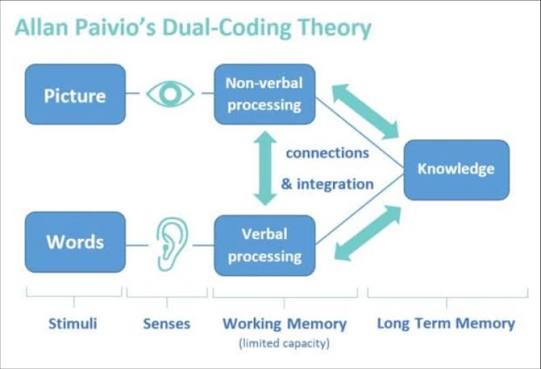
To bridge this gap in learning styles, we need to take a closer look at how the human brain actually works when receiving new information. In the world of instructional design, there's an important principle known as chunking. Chunking is a strategy of breaking dense, complex learning material into small pieces of information that are easier for our working memory to digest.
For example, instead of delivering one long video that crams in an entire company Standard Operating Procedure (SOP), it would be far more effective to break that material into a dozen or so videos, each only 2 to 5 minutes long.
This approach aligns closely with the concept of Just-in-Time learning. Modern employees, Gen Z in particular, have a pragmatic mindset when it comes to learning. They want specific information exactly when they need it. With a format built around short video segments, employees don't need to memorize an entire procedure upfront. They can simply search for and watch the one video that's relevant to them.
Strategies for Packaging Effective Microlearning Video
The question is, how do we make sure a short-duration video doesn't lose its substance?
At Monkey Melody, our team regularly hears from clients frustrated by low completion rates, looking to overhaul their old modules into visual material that resonates better with younger employees. The main challenge is curating the material so its substance stays intact while still being delivered in a short duration. This overhaul process requires close collaboration between the Instructional Designer, the client's Subject Matter Expert (SME), and the multimedia production team.
To produce microlearning video that's friendly to Gen Z's attention span while still meeting the strict standards of corporate training, here are a few technical approaches worth applying:
-
One Video, One Learning Objective To keep duration in check, each video should focus on a single, specific topic. For example, in a video titled "Using HR Software," we could break it down into several topics such as "How to Apply for Annual Leave," "How to Download a Payslip," and so on. The narration becomes more focused, and learners know exactly what solution they're going to get.
-
Cutting Out the Filler In a short-duration video, the design needs to be planned down to the smallest detail. Our scriptwriting and storyboarding team makes sure essential elements are conveyed and visualized clearly, while avoiding sentences that ramble.
-
Maximizing Dynamic Visual Elements Because Gen Z audiences are used to a fast visual rhythm, a video made up only of talking head footage (someone speaking straight to camera) against a static background simply isn't enough anymore. Using animation, motion graphics, and smooth transitions is essential for keeping learners' eyes locked on the screen. Animated text is used to emphasize keywords or important points, so information gets recorded in memory faster.
A combination of the right instructional design principles and well-executed multimedia visuals is what, ideally, creates a learning ecosystem that delivers real value for the company.
After working on more than 1,000 multimedia learning projects, Monkey Melody understands that every company faces different challenges and goals. That's why we offer a tailored approach to ensure that every video we produce achieves its intended training objective. With the latest technology and a creative approach, we're ready to help your company tackle the training challenges of the future.
More insights
Research on Interactive Video Among Biology Students
The use of video as a self-paced e-learning medium has become standard practice in corporate training programs and higher education.
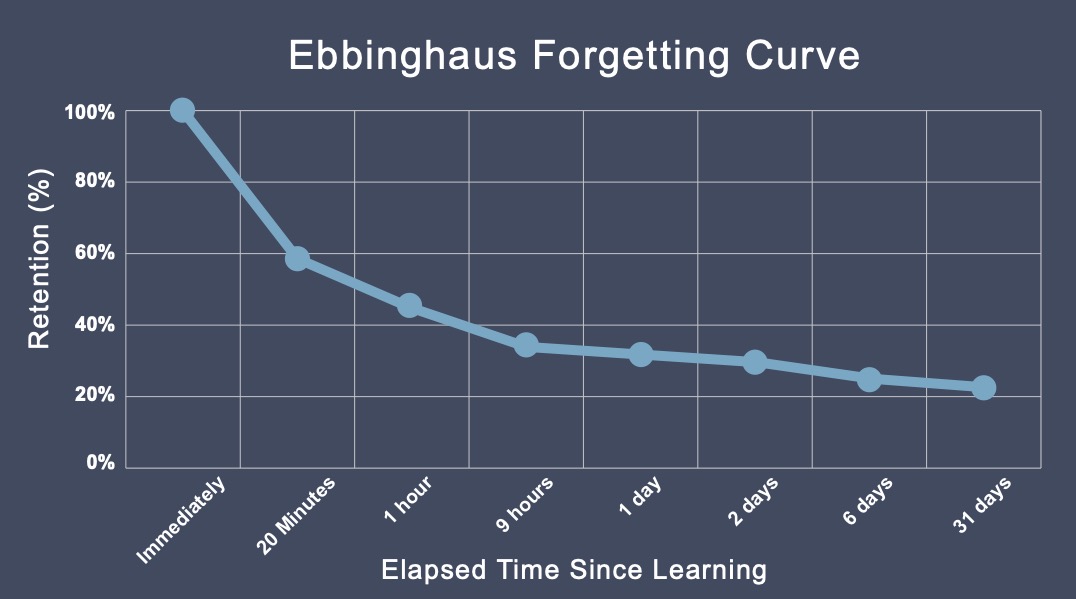
The Science Behind Why Microlearning Works
A single long training day often fails because it fights how the brain actually works — see how microlearning, the Forgetting Curve, and spaced repetition make material actually stick.
How AI Video Search Is Transforming Corporate L&D
Thousands of hours of training video pile up in your company's LMS, hard to search once a program ends — see how AI Video Search is changing the way L&D teams find specific moments buried in that dark data.
Want the short version, applied to your company?
Let's talk about what this means for you.
Get in touch