

Why the Timing of Visuals and Narration Affects Learning Retention
Ever watched a training video and felt like something was off? Maybe the narrator had already started explaining a diagram, but the diagram itself only appeared a few seconds…

The Temporal Contiguity Principle
Ever watched a training video and felt like something was off? Maybe the narrator had already started explaining a diagram, but the diagram itself only appeared on screen a few seconds later. Or the opposite happened — the visual showed up first, while the explanation only caught up afterward.
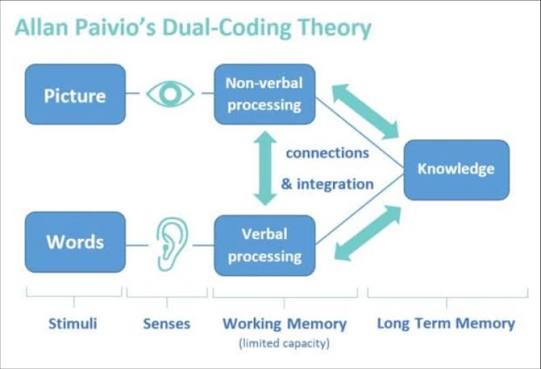
In video-based learning, details like this matter more than they seem. Richard E. Mayer, a leading expert in multimedia learning, introduced what's known as the Temporal Contiguity Principle. It holds that related visual and verbal information should appear at the same time, or at least close together. Aligning the timing makes it easier for the brain to connect the two, and helps avoid confusion.
When audio and visuals fall out of sync, a learner's brain ends up doing double the work. It has to hold onto information from one element, then match it against another element that shows up seconds later. That turns out to be tiring and inefficient, especially when the material is technical or complex. When narration and visuals arrive together instead, the brain connects them far more easily, and the information gets absorbed faster.
The Role of the Storyboard in Keeping Audio and Visual in Sync
So how do you make sure everything stays in sync? This is where the storyboard becomes essential. In animation-based learning videos, the graphic design and animation obviously need to be planned carefully so the material comes across clearly. To make that happen, Monkey Melody has a dedicated storyboarder team whose job is to turn a script into a storyboard.
A storyboard is a sequence of drawings or sketches that map out a video's visual and narrative flow, serving as a guide for designers and animators. It covers things like scene order, the placement of visual assets, the selection or sketching of those assets, animation direction, and more.
At its core, a storyboard lays out a sketch of the scene flow to guide designers. It also sets the rhythm for when each element appears, something animators rely on directly. For example: when text should appear on screen, how graphic assets should move in step with the narration, and how transitions between scenes should work. This happens early in the planning process, so animators have a clear reference from the very start.
On the surface, synchronizing audio and visuals might seem like a minor detail. In reality, it's part of a visual communication strategy that shapes the final outcome. What looks like a trivial timing mistake can actually change how learners understand a concept.
That's also why close collaboration with the Subject Matter Expert (SME) matters. The right narration, paired with visuals that appear at just the right moment, creates a learning flow that feels natural and effective at the same time.
Having worked on more than 1,000 learning multimedia projects, Monkey Melody understands that every company faces different challenges and goals. That's why we offer a tailored approach to ensure every video we create achieves its intended training objective. By combining the latest technology with a creative approach, we're ready to help your company meet the training challenges of the future.
More insights
Research on Interactive Video Among Biology Students
The use of video as a self-paced e-learning medium has become standard practice in corporate training programs and higher education.
The Science Behind Why Microlearning Works
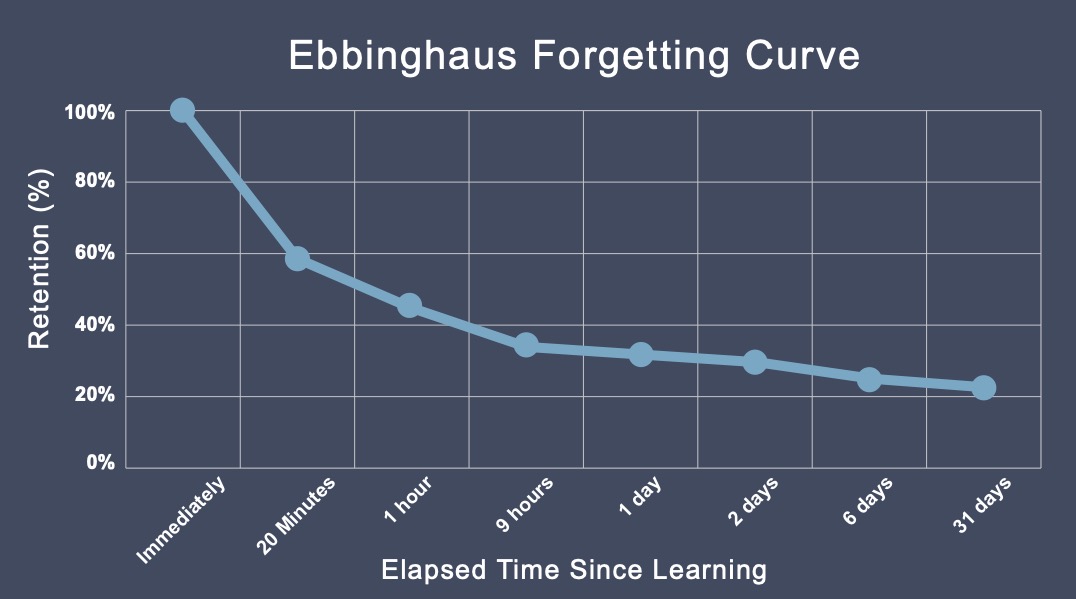
A single long training day often fails because it fights how the brain actually works — see how microlearning, the Forgetting Curve, and spaced repetition make material actually stick.
How AI Video Search Is Transforming Corporate L&D
Thousands of hours of training video pile up in your company's LMS, hard to search once a program ends — see how AI Video Search is changing the way L&D teams find specific moments buried in that dark data.
Want the short version, applied to your company?
Let's talk about what this means for you.
Get in touch