
Managing Technical Issues and Talent in Learning Video Production
Demand for learning videos has skyrocketed in recent years. Remember the pandemic, when nearly every training process had to be conducted remotely or online…

The Reality of Shooting Corporate Learning Videos
Demand for learning videos has skyrocketed in recent years. Remember the pandemic, when nearly every training process had to move online? According to the 2021 Training Industry Report, 67% of respondents reported training that was delayed because of the pandemic. Even 6% of respondents reported that more than 75% of their training was delayed.
This sudden shift forced many companies to move online and digitize. Years on from the pandemic, video learning has become one of the most frequently used training tools.
Still, producing an effective video learning isn't that simple. In the world of video production, especially shoots that require filming, technical problems can strike without warning. A battery might drain faster than expected, a clip-on microphone that was mounted perfectly suddenly starts picking up fabric rustle, and so on, even after the production team has already run a full check beforehand.
In corporate learning video production, technical issues are one of the most common causes of blown schedules and ballooning budgets. The most frequent disruptions include equipment failure, from cameras to lighting gear, audio problems, and unexpected location issues like intrusive ambient noise or limited access to power. According to practitioners in this industry, being unprepared for technical problems is often the main reason shooting schedules end up far behind plan.

What separates a professional production team from an amateur one is how quickly and calmly the team handles problems when they arise. Experienced practitioners always recommend two layers of preparation. First, a pre-shoot checklist that includes testing every piece of equipment at least a day before the shoot.
Second, a backup system that's ready to go at any moment: spare batteries, extra memory cards, replacement cables, and even a backup camera or microphone unit if the budget allows. Production companies like Grey Sky Films even recommend setting aside a contingency fund of 10–20% of the total budget to cover unexpected costs from technical issues.
On top of that, a recce, or location scout, before shoot day should never be skipped. This survey helps the team understand the location's conditions so they can plan things like lighting conditions, the position of power outlets, and the optimal camera layout, among other details.
The mindset every team member needs is adaptive problem-solving: the ability to stay calm, flexible, and solutions-oriented when conditions aren't ideal. Because during a video shoot, time is a resource every bit as valuable as the budget itself.
Bridging the Gap Between Expertise and On-Camera Performance
In corporate learning video production, there's one challenge that's often underestimated but has an outsized impact: the Subject Matter Expert (SME) who serves as the presenter explaining things on camera. Sometimes an SME who's highly competent in their field isn't necessarily used to speaking in front of a camera. Deep technical expertise and the ability to come across naturally on camera are two very different skills.
Karin Reed, author of On-Camera Coach and an experienced presentation coach, notes that even business professionals with plenty of public speaking experience often lose their composure the moment they're facing a camera lens. This usually happens because they're confronted with unfamiliar conditions.
This phenomenon is extremely common in corporate settings. A safety manager who's used to leading briefings for hundreds of field employees can suddenly look stiff and speak too fast the moment the camera turns on. A medical specialist who's used to explaining procedures to their team can lose their train of thought the instant a director starts giving direction.
So what can a production team do? First, the process of preparing an SME needs to start well before shoot day. Clearly communicate to the presenter what will be covered, how the video will be used, and what role they'll play in the overall content. This information gives them a sense of control that significantly reduces anxiety. Don't hand them a full script to memorize, since the result will come across stiff and unnatural. Instead, give them key talking points and encourage them to speak in their own words.
Second, on shoot day, create a comfortable atmosphere from the moment the presenter arrives on location. Welcome them, introduce them to the whole crew, and explain what they'll see and experience. Start with casual conversation before the camera even rolls. Run a brief test take that isn't meant to produce a usable recording; it simply helps the presenter get a feel for speaking rhythm in front of the camera.
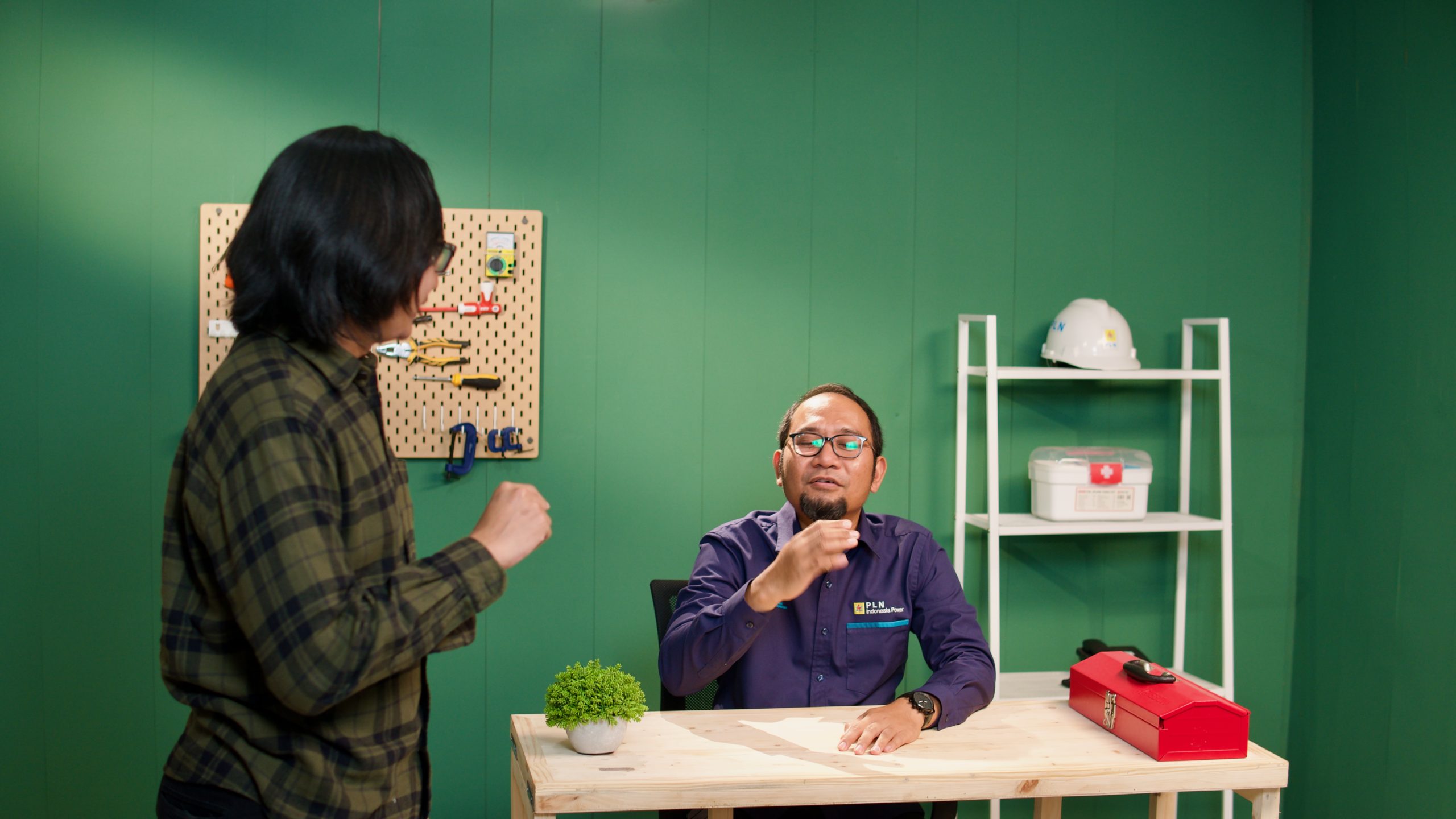
Third, effective directing makes a major difference. Avoid giving direction that adds more pressure onto the presenter. Simply keep their attention on the topic they know best. When a presenter is speaking about something they genuinely understand and care about, authenticity comes through on its own.
Investing time and attention into preparing an SME before and during the shoot isn't just about cutting down wasted takes. It's an investment in the quality of the content itself. As the team at IMPACT notes from their on-camera coaching program, when an SME feels more comfortable on camera, they can deliver content more clearly, more naturally, and in a way that's easier for trainees to absorb.
Having worked on more than 1,000 learning multimedia projects, Monkey Melody understands that every company faces different challenges and goals. That's why we offer a tailored approach to ensure every video we create achieves its intended training objective. By combining the latest technology with a creative approach, we're ready to help your company meet the training challenges of the future.
More insights
Research on Interactive Video Among Biology Students
The use of video as a self-paced e-learning medium has become standard practice in corporate training programs and higher education.
The Science Behind Why Microlearning Works
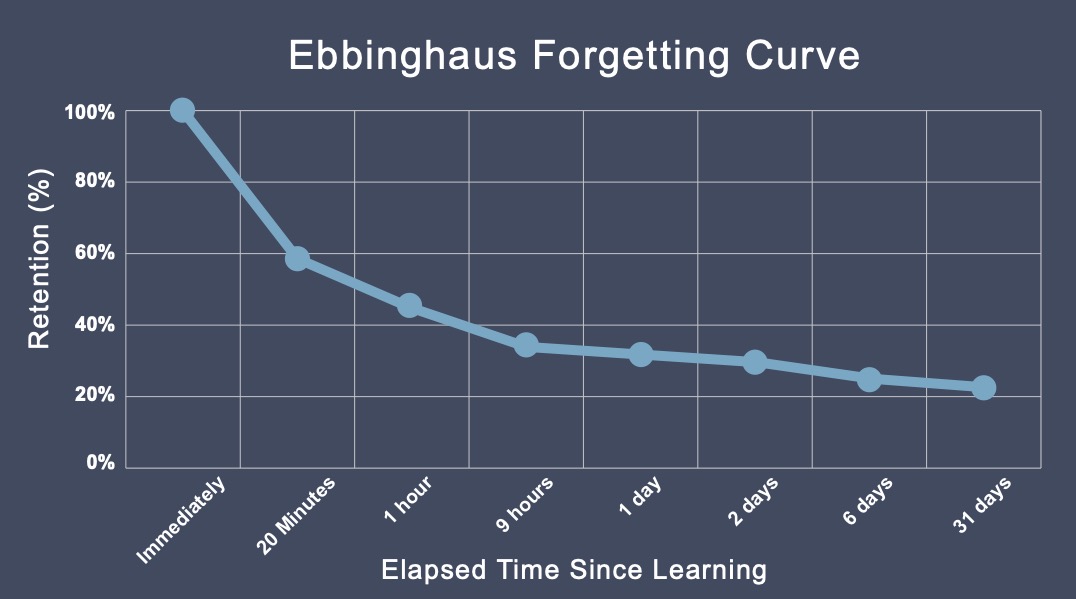
A single long training day often fails because it fights how the brain actually works — see how microlearning, the Forgetting Curve, and spaced repetition make material actually stick.

How AI Video Search Is Transforming Corporate L&D
Thousands of hours of training video pile up in your company's LMS, hard to search once a program ends — see how AI Video Search is changing the way L&D teams find specific moments buried in that dark data.
Want the short version, applied to your company?
Let's talk about what this means for you.
Get in touch