
Bringing Interaction to Life Through the Personalization Principle in Multimedia Learning
Richard E. Mayer, a renowned psychology professor at the University of California, Santa Barbara, formulated a principle known as the Personalization Principle. This principle…

Understanding the Personalization Principle in the Context of Multimedia Learning
Richard E. Mayer, a renowned psychology professor at the University of California, Santa Barbara, formulated a principle known as the Personalization Principle. This principle is part of the Cognitive Theory of Multimedia Learning.
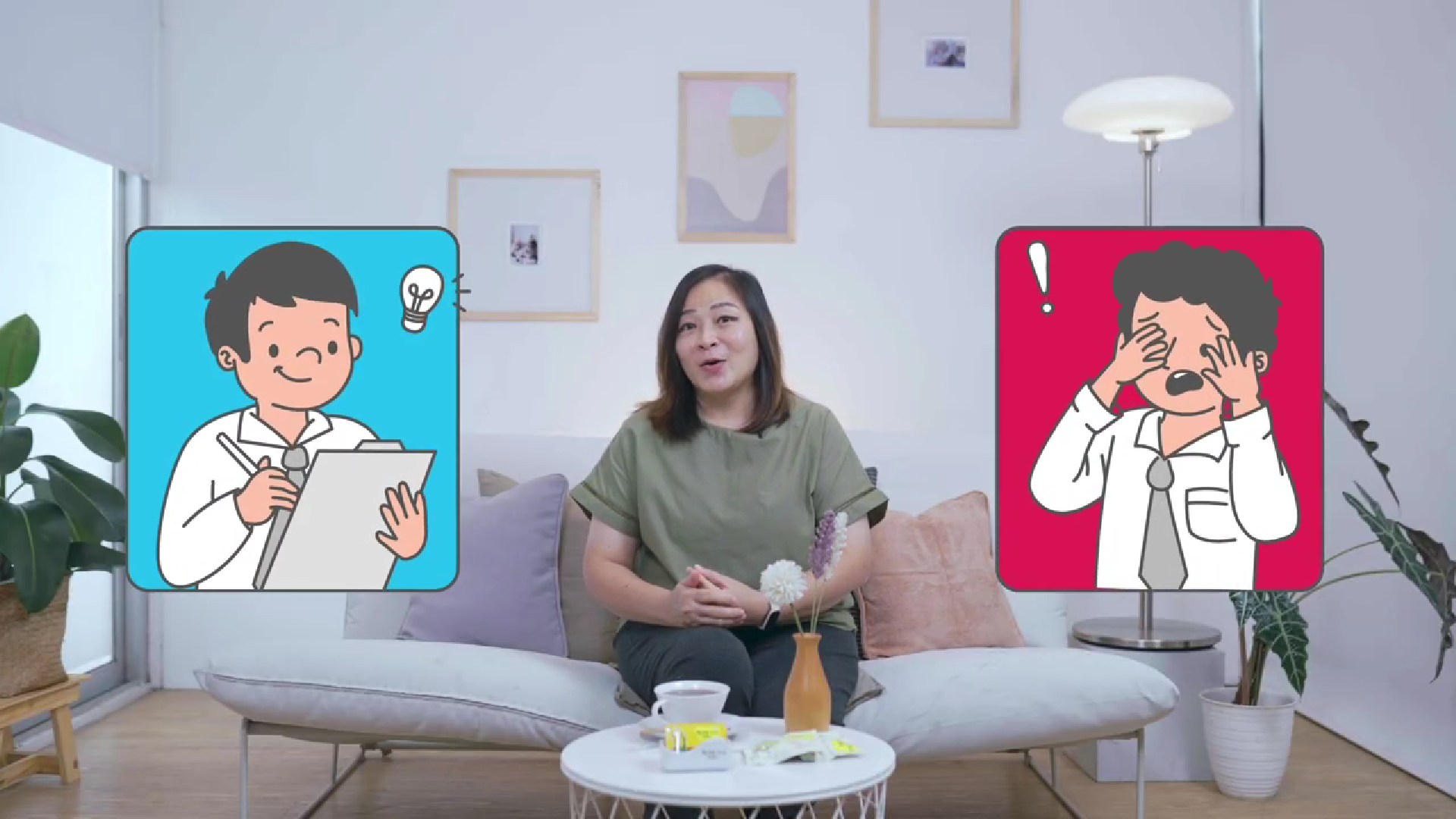
In short, this principle holds that audiences learn far better when verbal material is delivered in a conversational style rather than a stiff, formal one.
The human brain responds this way because of a piece of social psychology known as Social Agency Theory. When a learning medium uses first- and second-person pronouns such as we or you, and frames its sentences in a warmer tone, the learner's brain unconsciously switches into social-interaction mode.
The human brain was never built to communicate with machines or computer systems. When a piece of learning multimedia manages to create the sense that the audience is hearing an actual human speak, learners feel more compelled to listen and understand.
In this kind of social-interaction setting, learners are driven to invest more cognitive effort. They try to grasp the intent behind what's being said, and to process and fold that new knowledge into long-term memory more effectively.
Overly formal language, by contrast, acts as a cognitive signal that the content is one-directional and impersonal, which dampens the brain's natural drive to engage actively.
Applying Personalization in Interactive Multimedia Learning
The biggest challenge for instructional designers and content developers is weaving this personalization principle into multimedia that is interactive by nature. In an interactive learning ecosystem, audiences take an active role and can steer the course of the material through quizzes, branching scenarios, and even game maps.
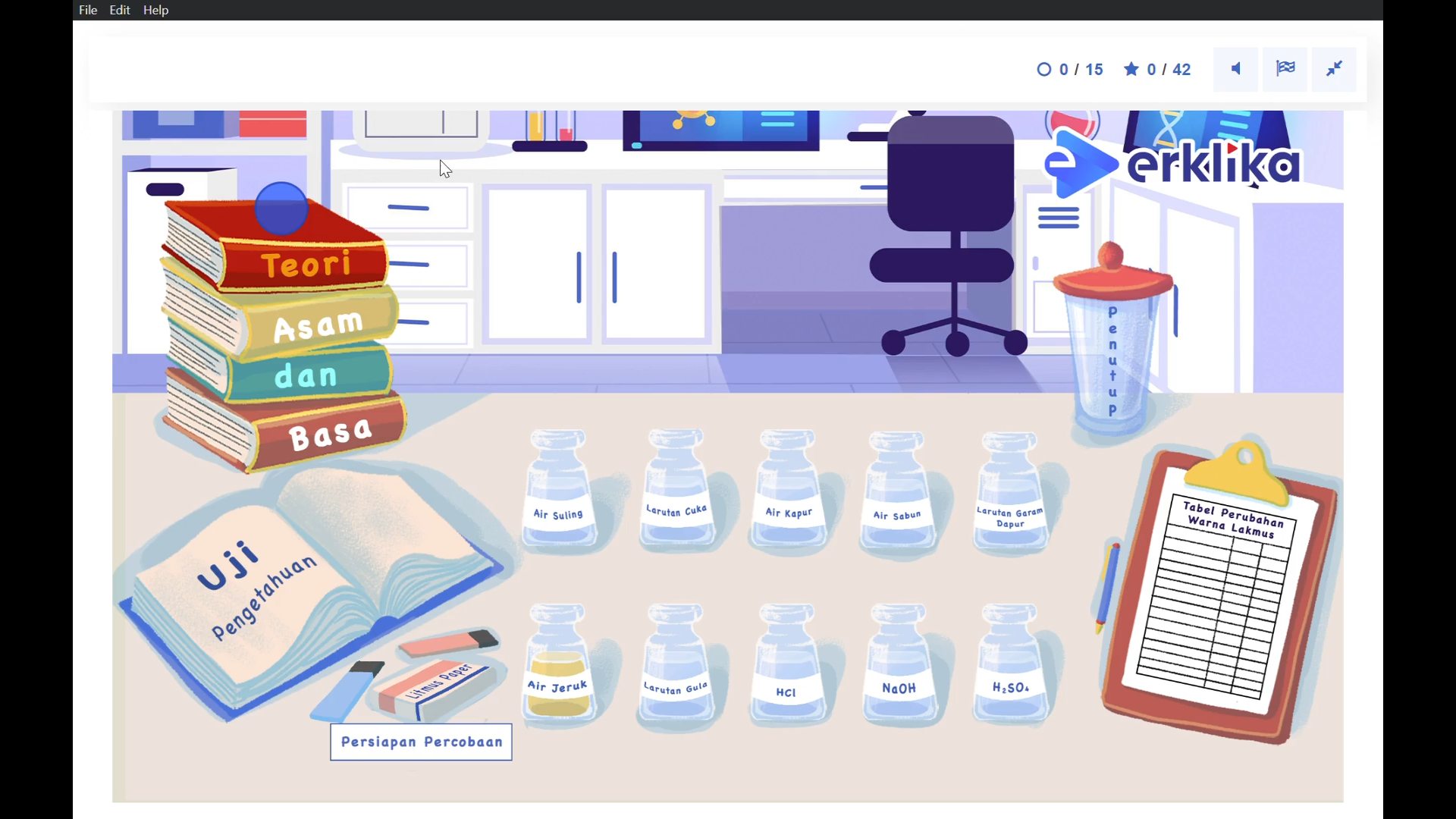
Even when a module is highly interactive, having a guiding figure still plays a central role as a compass for the learner. That's why scripts need to be crafted so the personalization principle shows up at every point of interaction, especially at the critical junctures where learners have to make a decision.
Consider, for instance, the moment a learner reaches a quiz in the middle of a module. The conventional format usually throws up a rigid system prompt. Apply the personalization principle, though, and that quiz moment can become a supportive, guided conversation instead. The narrator can jog the learner's memory with a friendly invitation to test their understanding before moving on to the next chapter.
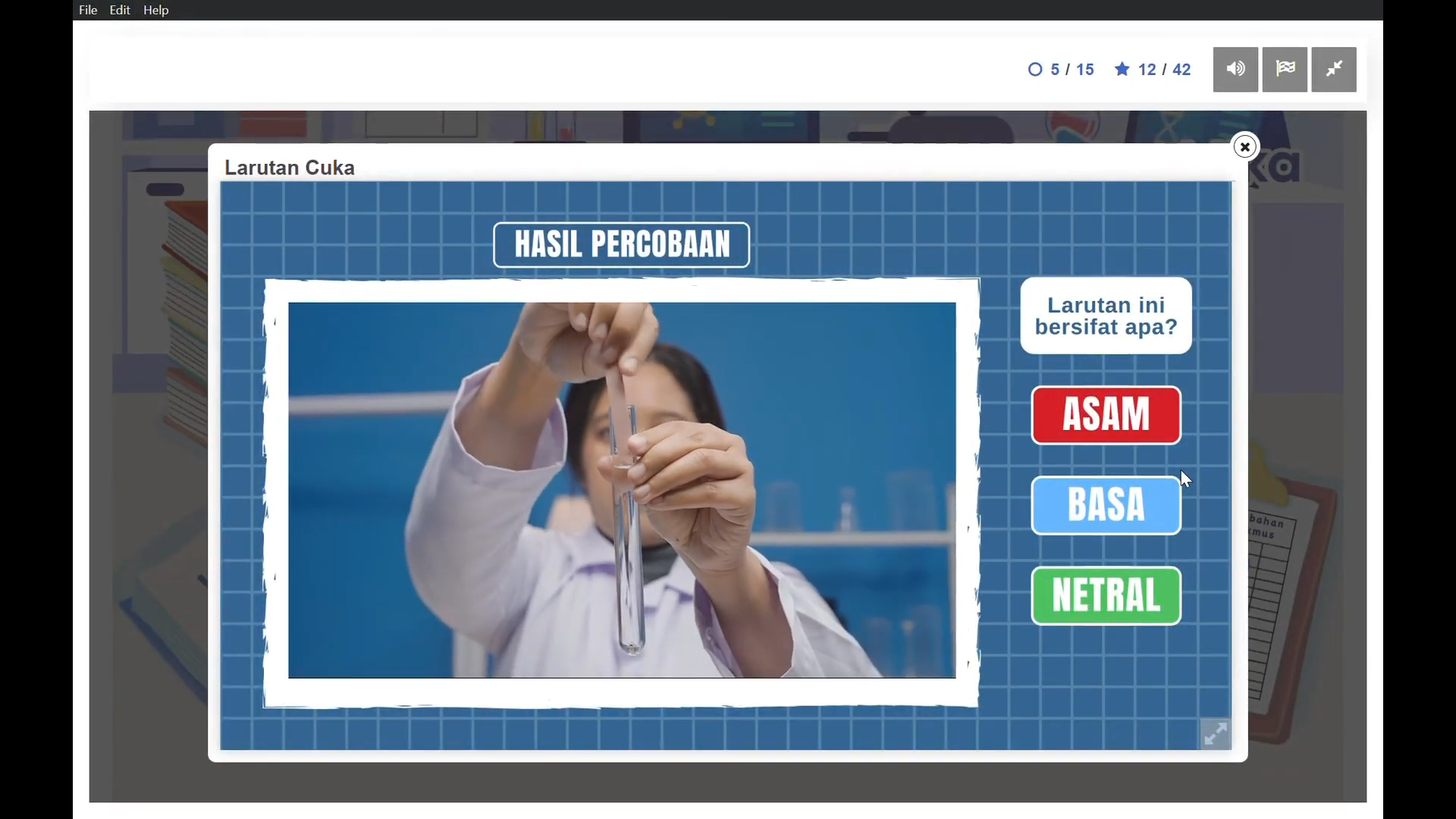
The same applies when giving feedback on a learner's answer. When the answer chosen is wrong, the voice-over script can be written to deliver a positive psychological nudge rather than a flat correction. A warm, narrative approach like this makes learners feel as though they're being guided by a mentor. It's precisely this emotional engagement that keeps interest high throughout the learning journey.
One thing worth underlining: writing in a personal style doesn't mean the script can be casual for its own sake. Personalization is really about building relevance.
Every script has to answer to the unique characteristics and demographic profile of its intended audience. This is exactly why audience analysis before production begins matters so much. The personalization approach for a cohort of young new hires will carry a very different energy from the approach used for senior managers, medical professionals, or technical field teams.
For managerial-level corporate audiences, the conversational style still holds on to precise business diction, but delivers it through concise, active sentence structures and an even-handed tone — like a discussion between professional colleagues working through a problem together.
For field teams, meanwhile, the language can afford to be more grounded, more direct, and rich with the practical terms they encounter every day. The register needs to match the audience's working world, so that the warmth on display feels genuine and contextual rather than forced.
Monkey Melody understands that every company faces different challenges and goals.
That's why we offer a tailored approach to make sure every video we produce achieves its intended training objective. Ready to transform your company's training materials into effective learning videos or interactive videos?
Contact Monkey Melody now via WhatsApp at +62 812-1954-8155, email info@monkeymelody.com, or through the following link.
More insights
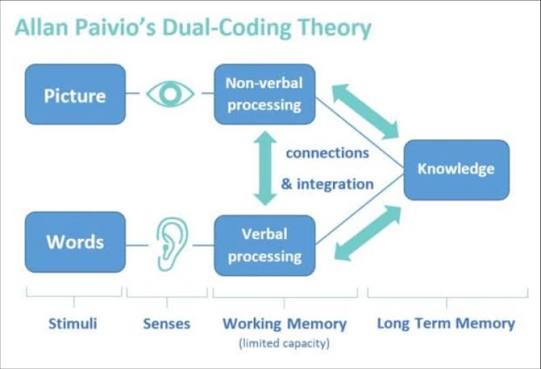
Research on Interactive Video Among Biology Students
The use of video as a self-paced e-learning medium has become standard practice in corporate training programs and higher education.
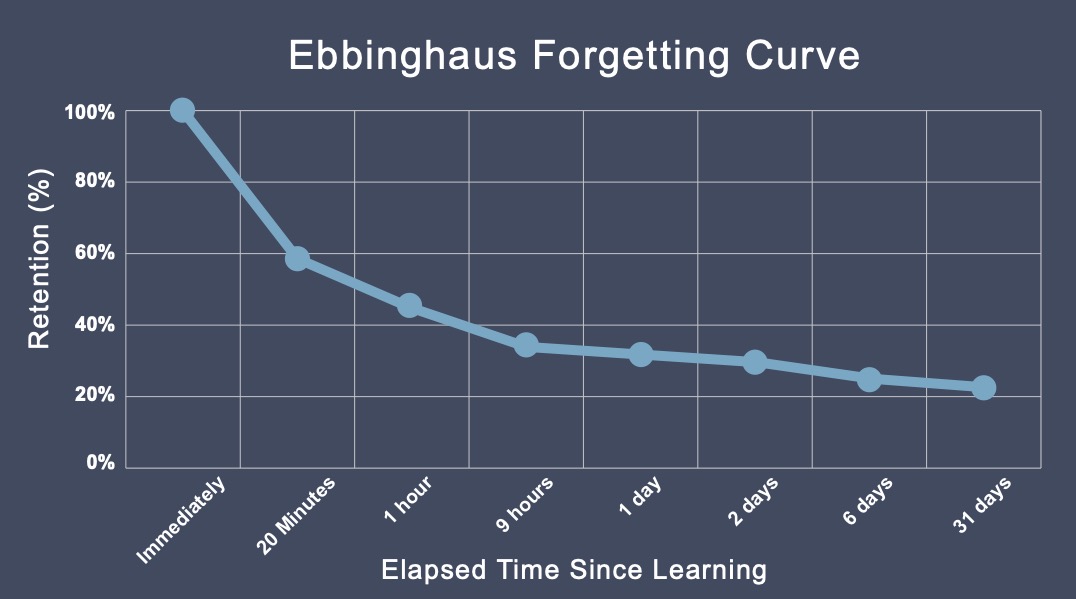
The Science Behind Why Microlearning Works
A single long training day often fails because it fights how the brain actually works — see how microlearning, the Forgetting Curve, and spaced repetition make material actually stick.
How AI Video Search Is Transforming Corporate L&D
Thousands of hours of training video pile up in your company's LMS, hard to search once a program ends — see how AI Video Search is changing the way L&D teams find specific moments buried in that dark data.
Want the short version, applied to your company?
Let's talk about what this means for you.
Get in touch