
Simplifying AI-Powered Digital Twin Simulations for Corporate Learning
In high-risk industries like power utilities and manufacturing, a small mistake on the ground can turn out to be fatal. A procedure that isn't followed correctly can…

The Role of Digital Twin
In high-risk industries like power utilities and manufacturing, a small mistake on the ground can turn out to be fatal. A procedure carried out incorrectly, for instance, can cause asset damage worth billions of rupiah, or even cost lives.
That's why conventional training methods that rely solely on passive media like modules and presentations aren't enough to build real job readiness in high-risk industries.
To meet this need, the concept of Digital Twin emerged. According to technology research from Gartner, a Digital Twin is a digital replica, or integrated virtual model, of a physical object, process, or system that accurately mirrors its real-world operating conditions.
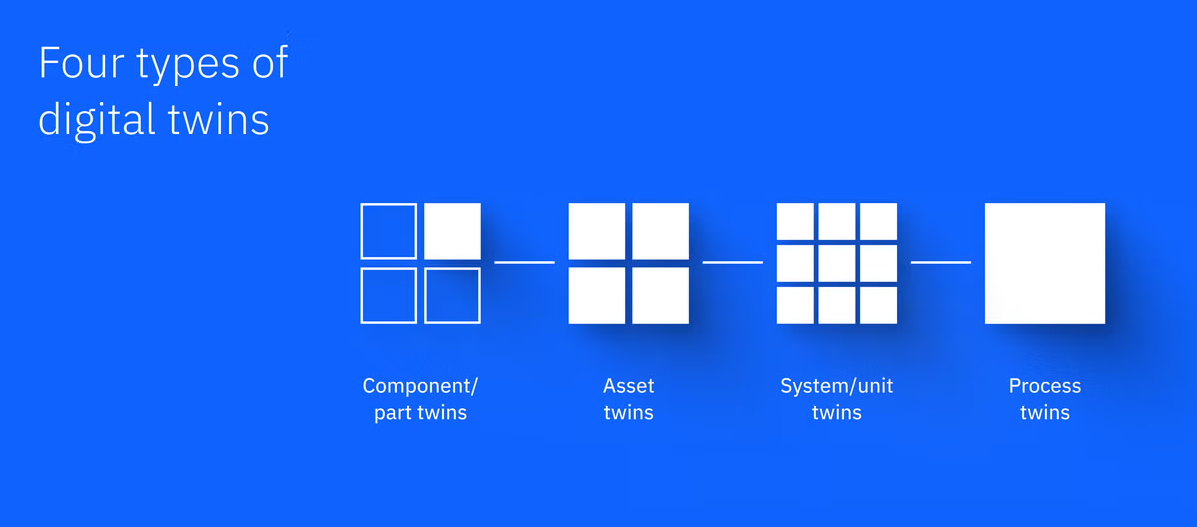
L&D teams can deploy Digital Twin technology to let employees carry out all kinds of field activities inside an interactive simulation platform, with no physical risk or financial loss involved.
Despite its considerable benefits, many companies have held off adopting Digital Twin, assuming the technology is too complicated and too costly. But the arrival of Artificial Intelligence (AI) has simplified the Digital Twin development pipeline, making it faster to produce and more affordable.
This strategic shift also lines up with the direction of PT PLN (Persero) Pusdiklat's 2026–2030 Long-Term Plan (RJP). To support the corporation's vision and talent readiness, PLN Corporate University is integrating the Digital Twin concept into a modern, digital-first learning ecosystem.
Key Barriers to Implementing Conventional Digital Twins in Corporate Settings
Before AI entered the picture, building Digital Twins for technical training needs was often seen as a high-end technology project — exclusive, and out of reach for most L&D teams.
1. Technical Complexity and Lengthy Development Time
Conventionally, building a Digital Twin simulation requires intricate collaboration between subject matter experts (SMEs), software engineers, and 3D designers. Every physical interaction has to be coded by hand.
According to a study from McKinsey & Company, manual workflows in software engineering and simulation design often take months to produce just a single training module. That slow production cycle makes it hard to adapt a simulation whenever operational standards change on the ground.
2. High Infrastructure Costs and Scalability Challenges
Beyond time, cost is another obstacle. Building a high-quality 3D virtual environment demands a hefty budget. As a result, Digital Twin simulations are often reserved only for the most critical job functions, while other technical roles are left with conventional, less interactive training methods.
How AI Simplifies the Digital Twin Ecosystem
AI integration cuts through these technical barriers by turning the Digital Twin production workflow from a rigid, manual process into an adaptive, automated system.
1. Automating Scenario Modeling and Simulation Asset Generation
By tapping into AI content generators and machine learning algorithms, the rendering of 3D assets and the drafting of simulation scenarios can be accelerated significantly. AI can automatically convert technical guidance documents into a draft interactive simulation flow. Instructional Designers no longer need to build every piece of interaction logic from scratch — they simply validate and fine-tune what the AI produces.
2. Adaptive Feedback and Personalization Through an AI Tutor
Bringing AI into Digital Twin environments enables an interactive AI Tutor inside the simulation itself. When a learner makes a procedural mistake within the simulation, AI can provide contextual explanations in real time, recommend corrective steps, and adjust the simulation's difficulty to match the learner's ability.
3. Applying the Cognitive Theory of Multimedia Learning (CTML)
The visual complexity of conventional Digital Twin simulations often triggers excessive cognitive load. According to the Cognitive Theory of Multimedia Learning formulated by Richard E. Mayer and published by Cambridge University Press, human working memory has sharply limited capacity for processing visual and auditory information at the same time.
AI helps simplify the simulation's interface by surfacing visual cues only for elements relevant to the learner's current task. This prevents extraneous cognitive load, keeping learners' concentration focused on mastering the core material.
By combining AI with human-centered instructional design, Digital Twin simulations can be produced more simply while still delivering real impact on corporate operational efficiency.
Monkey Melody understands that every company faces different challenges and goals.
That's why we offer a tailored approach to ensure that every video we produce achieves its intended training objective. Ready to transform your company's training materials into effective learning videos or interactive videos?
Contact Monkey Melody now via WhatsApp at +62 812-1954-8155, email info@monkeymelody.com, or through the following link.
More insights
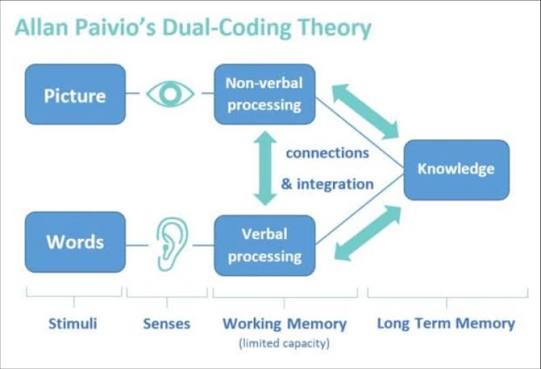
Research on Interactive Video Among Biology Students
The use of video as a self-paced e-learning medium has become standard practice in corporate training programs and higher education.
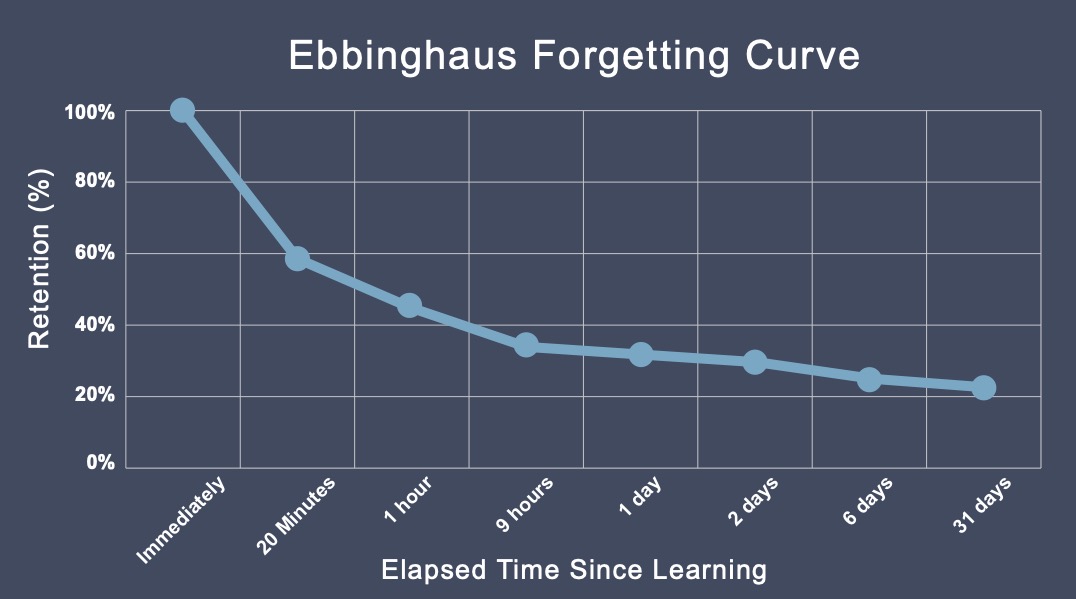
The Science Behind Why Microlearning Works
A single long training day often fails because it fights how the brain actually works — see how microlearning, the Forgetting Curve, and spaced repetition make material actually stick.
How AI Video Search Is Transforming Corporate L&D
Thousands of hours of training video pile up in your company's LMS, hard to search once a program ends — see how AI Video Search is changing the way L&D teams find specific moments buried in that dark data.
Want the short version, applied to your company?
Let's talk about what this means for you.
Get in touch