
Aligning Visuals and Audio: The Key to Effective Learning Videos
Ever watched a video on YouTube, Instagram, or some other platform and noticed that the visuals didn't quite land in sync with the terms being discussed? For example…

The Impact of Audio-Video Alignment on Learning
Ever watched a video on YouTube, Instagram, or some other platform and noticed that the visuals didn't quite land in sync with the terms being discussed? Maybe the visual appears first, and the explanation only catches up later. Or the opposite — the narration has already finished, and the visual element only starts moving afterward.
In producing learning videos for corporate training needs, aligning visual elements with the voice-over narration matters a great deal. When visuals and audio don't appear together, the rhythm of the material gets thrown off.
This might sound like a minor detail, but that kind of mistiming can disrupt focus and reduce how effective the learning actually is.
In the world of learning video, there's an important principle introduced by Richard E. Mayer called Temporal Contiguity. It states that learning is more effective when visual elements and accompanying text or narration are presented together, rather than split across different slides or scenes.
When audio and visuals aren't aligned, the learner's brain ends up doing double the work. It has to hold onto information from one element, then match it up with another element that appears several seconds later. That turns out to be tiring and inefficient, especially when the material itself is technical or complex.
When narration and visuals appear at the same time, on the other hand, the relationship between the two becomes much easier to grasp. Information gets absorbed and retained faster as a result.
The Role of Storyboards in Aligning These Two Elements
At Monkey Melody, we understand just how important this alignment is. That's why, when building a storyboard for a learning video, we don't just think through the visual flow on its own. Our storyboard team also pins down, specifically, the timing of when and how each visual element appears and moves, so it stays aligned with the narration being delivered.
This process covers:
– Deciding exactly when particular text and graphic assets should appear or move, timed to when the presenter mentions them.
– Managing visual transitions so the context matches the material.
– Structuring scene transitions so they don't break the learner's focus.
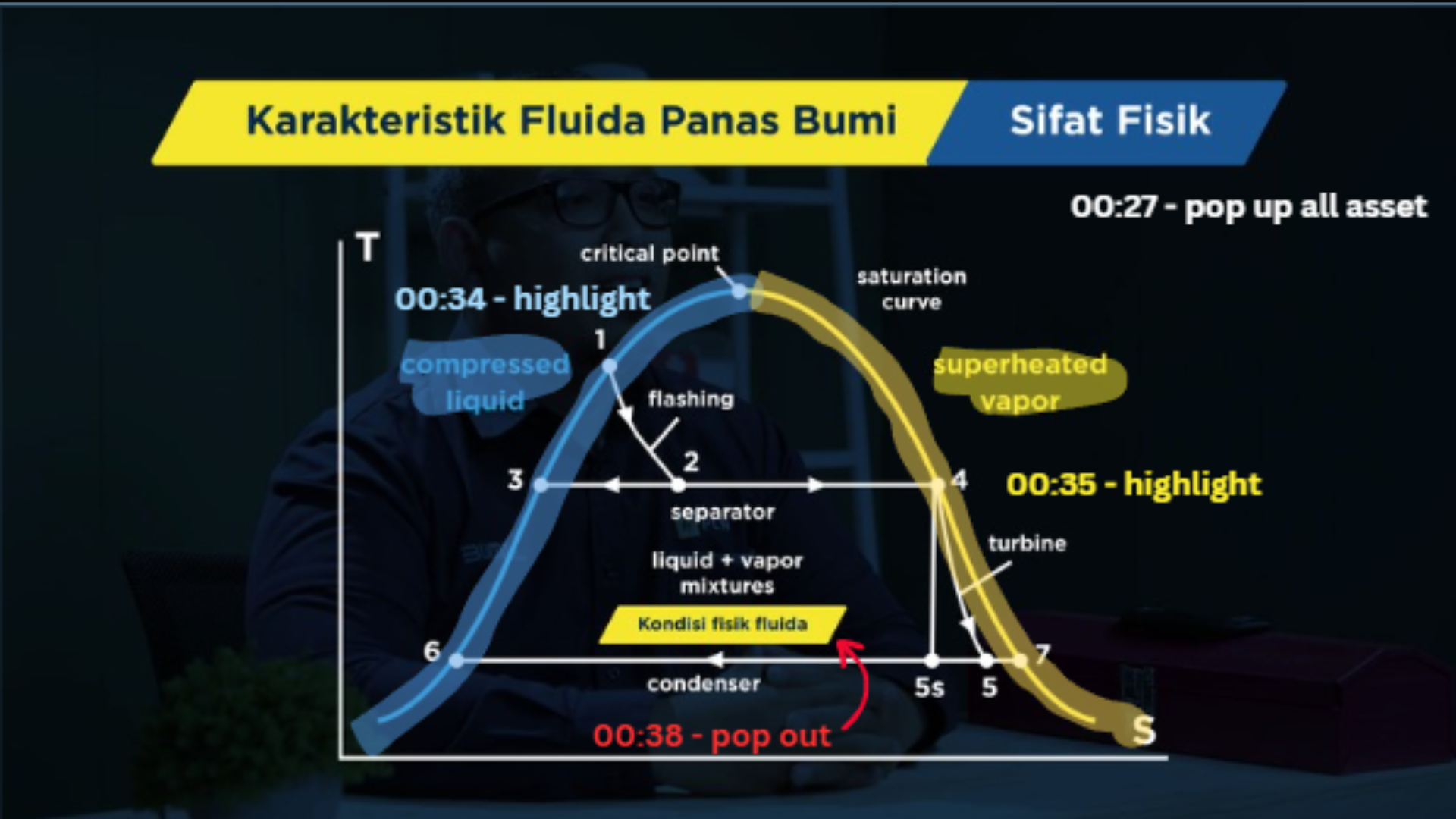
We handle all of this from the planning stage onward, so our animation team has a clear, structured guide to work from.
People often assume that syncing audio and visuals is purely a technical matter. In reality, it's part of a visual communication strategy that has a major bearing on the final result. A timing mistake that might look trivial on paper can actually change how learners understand a concept.
That's why we keep working to safeguard the quality of this process through:
– A deep understanding of the content.
– Close collaboration with Subject Matter Experts.
– Tuning the visual rhythm to support the narrator's delivery style.
Monkey Melody understands that every company faces different challenges and goals.
That's why we offer a tailored approach to ensure that every video we produce achieves its intended training objective. Ready to transform your company's training materials into effective learning videos or interactive videos?
Contact Monkey Melody now via WhatsApp at +62 812-1954-8155, email info@monkeymelody.com, or through the following link.
More insights
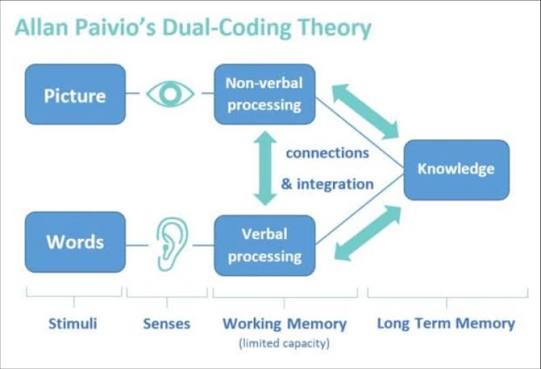
Research on Interactive Video Among Biology Students
The use of video as a self-paced e-learning medium has become standard practice in corporate training programs and higher education.
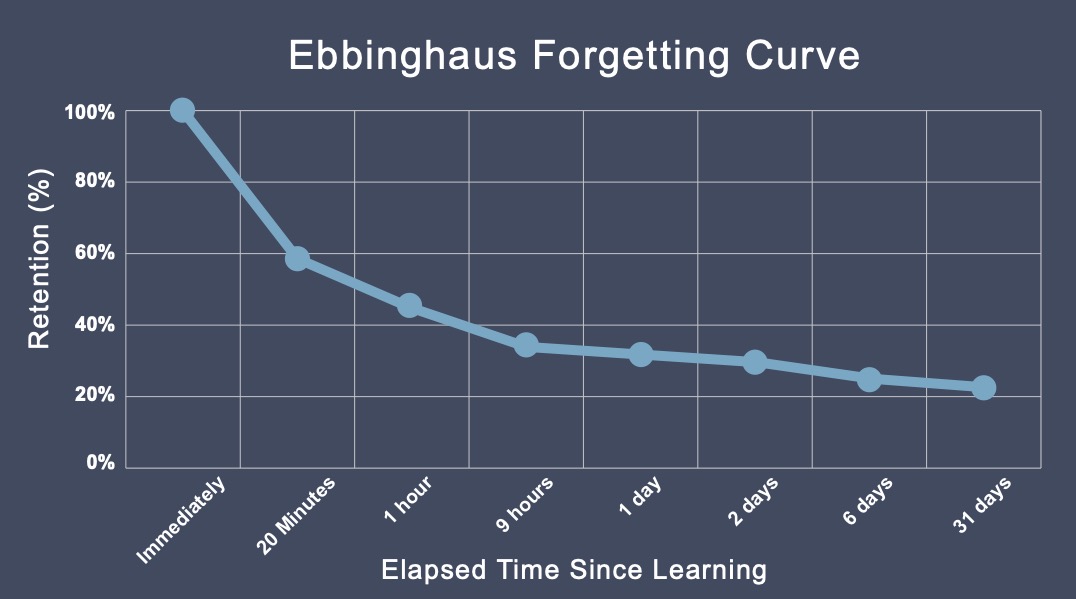
The Science Behind Why Microlearning Works
A single long training day often fails because it fights how the brain actually works — see how microlearning, the Forgetting Curve, and spaced repetition make material actually stick.
How AI Video Search Is Transforming Corporate L&D
Thousands of hours of training video pile up in your company's LMS, hard to search once a program ends — see how AI Video Search is changing the way L&D teams find specific moments buried in that dark data.
Want the short version, applied to your company?
Let's talk about what this means for you.
Get in touch