
Building Stories for Simulation-Based Learning Videos
Corporate online training approaches typically center on activating an LMS, producing learning videos, running webinars, and the like. Learning video has certainly proven effective…

The Function of Story in Learning
Corporate online training approaches typically center on activating an LMS, producing learning videos, running webinars, and the like. Learning video has certainly proven fairly effective for asynchronous learning compared with text-only modules. But even a well-produced video doesn't guarantee that employees stay fully engaged, since video by nature pushes learners toward a passive learning process. This is where simulation comes in as an alternative.
According to several studies, using simulation technologies like VR and AR can boost knowledge retention by up to 30% compared with conventional digital methods. But does simulation have to mean VR or AR? As it turns out, simulation can take a much simpler form — an interactive video that presents a story along with choices to make.
Picture building a business-ethics training program. Presented purely as a formal lecture, employees will likely lose focus fast. But once the material is packaged as a story with characters, conflict, and decisions to make, employees can feel directly involved. This works especially well for material built around multiple case studies.
This is exactly where story becomes essential. A story invites learners to engage emotionally and pushes them to think critically. When they're faced with specific choices, they're pushed to make a decision — and in the process of deciding, they automatically have to recall the material and reason through it critically. The outcome of that choice then shapes how the story unfolds, including the ending they get.
While building out a story, we need to design choices that are genuinely relevant to the learning objective. Beyond the fun of unlocking different story paths and endings, learners also need to walk away with the intended message behind those choices.
From Formal Modules to Visual Novel-Based Simulation Videos
Monkey Melody once partnered with KPK to build learning videos on its Code of Ethics and Code of Conduct. After discussing the client's objectives and needs, the Monkey Melody team chose the visual novel format as the stylistic foundation for that video series.
As the name suggests, a Visual Novel is a type of game heavily centered on narrative. What makes it unique is that it includes interactive elements that can shape how the story ends. Visual Novels vary in style, but in general, players see a character on screen alongside a text box containing dialogue or narration.
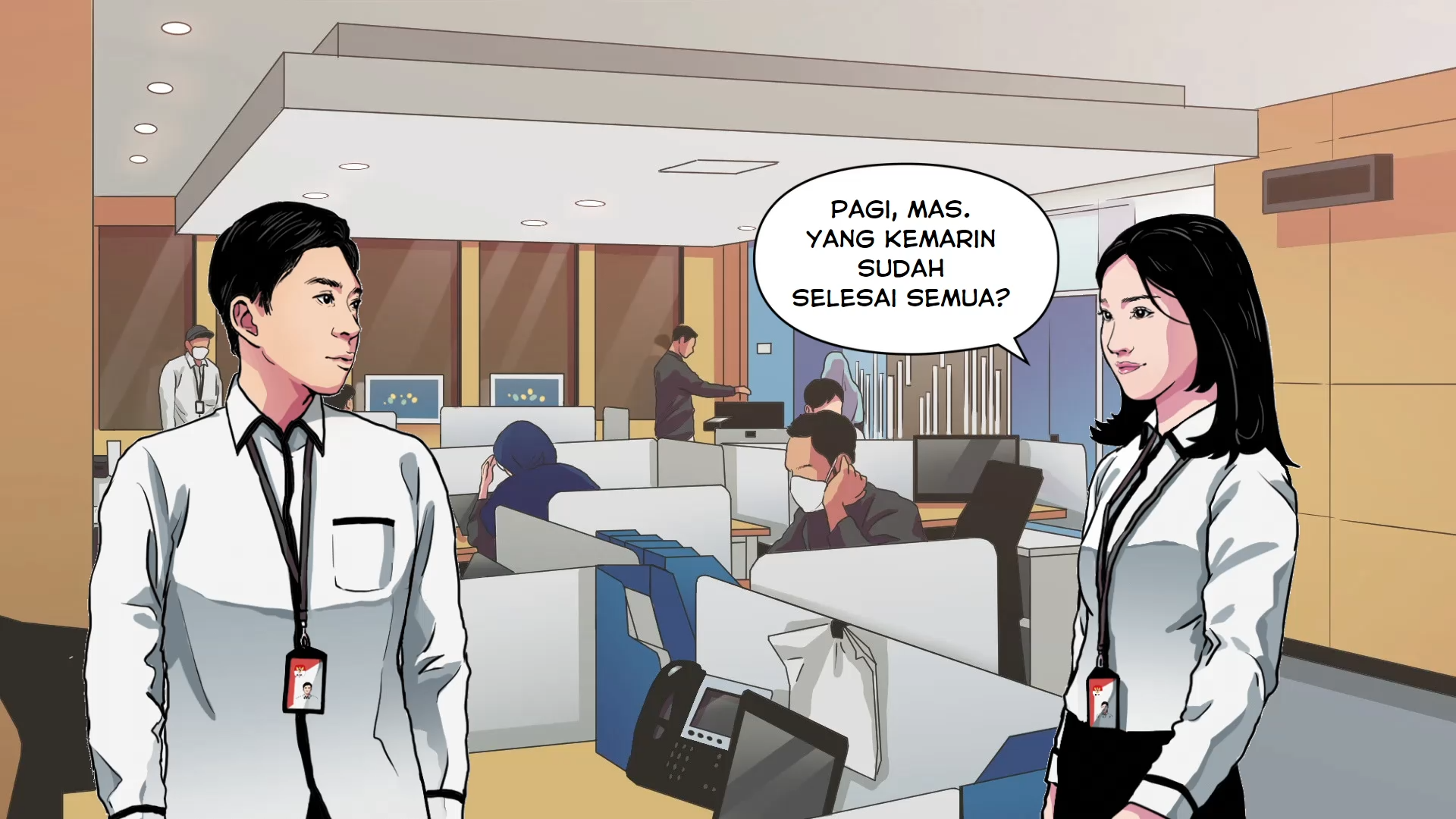
Learners follow the story through dialogue between two characters we built based on the data we received, including the target audience. At certain points, learners are given the chance to choose how the story unfolds. Each decision opens up a different consequence, letting learners feel the direct impact of their own choices.
In crafting the story, our team drew on real cases provided by KPK. Those cases were then woven together with characters and a plot designed from the outset, so learners could feel closer to the main character. Even though the branching story only appears in one module, the goal was to help participants more easily imagine the various dilemmas that might arise, along with their consequences.
Throughout the module, learners are asked to pick specific options to move the story forward. Just like in a true visual novel, every choice sends them down a different path, eventually arriving at one of several possible endings, depending on the decisions made along the way.
This branching concept is reinforced with visuals and voice acting that stay in sync, creating a more memorable learning experience. As a result, the message and lessons embedded in the story are easier to remember — and easier to apply in real-world situations.
The outcome? Material that once risked feeling stiff and formal turned into something far more personal. Participants felt connected to the characters, found it easier to grasp the ethical dilemmas, and, most importantly, remembered the core message far better.
Story-based simulation like this can bring a fresh dimension to asynchronous learning. It's also a strategy that can make employees more active, more engaged, and better prepared for the realities of the job. With this approach, the hope is to build a learning experience that feels more alive and more meaningful.
Having completed more than 1,000 multimedia learning projects, Monkey Melody understands that every company has different challenges and goals. That's why we offer a tailored approach to make sure every video we produce achieves its intended training objective. By combining the latest technology with a creative approach, we're ready to help your company tackle the training challenges of the future.
More insights
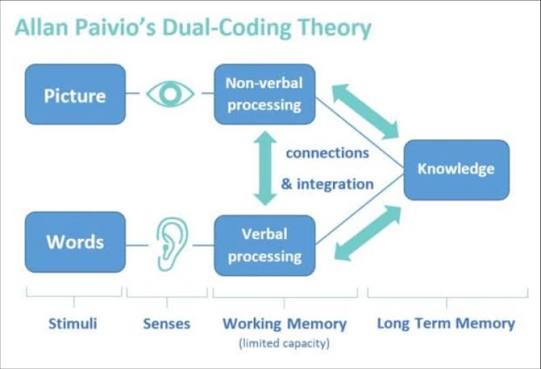
Research on Interactive Video Among Biology Students
The use of video as a self-paced e-learning medium has become standard practice in corporate training programs and higher education.
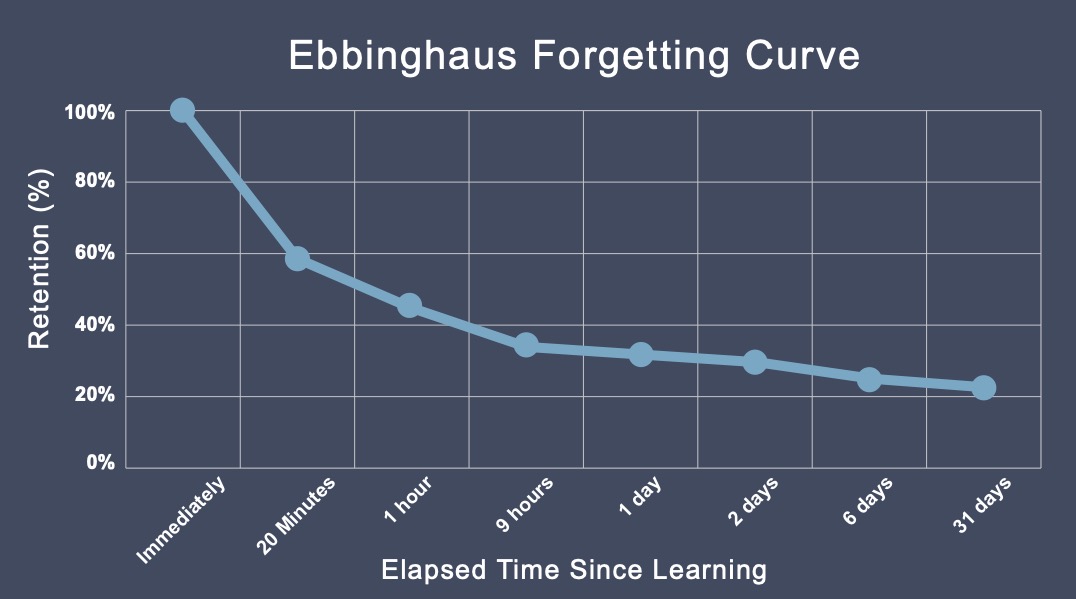
The Science Behind Why Microlearning Works
A single long training day often fails because it fights how the brain actually works — see how microlearning, the Forgetting Curve, and spaced repetition make material actually stick.
How AI Video Search Is Transforming Corporate L&D
Thousands of hours of training video pile up in your company's LMS, hard to search once a program ends — see how AI Video Search is changing the way L&D teams find specific moments buried in that dark data.
Want the short version, applied to your company?
Let's talk about what this means for you.
Get in touch