
Using NotebookLM in Learning Video Production
According to a McKinsey report released in May this year, AI adoption within organizations has risen sharply. The number of organizations using AI on a regular basis has…

The Growing Adoption of Large Language Models
According to a McKinsey report released in May this year, AI adoption within organizations has climbed sharply. The number of organizations using AI on a regular basis has doubled in just the past 10 months. Compare that with the early days when AI was still a novelty. Today, using AI to produce writing, images, and even video has become commonplace.
One of the most widely used types of Generative AI across different circles is Large Language Models, or LLMs. ChatGPT, Gemini, DeepSeek, and others all fall under this category. The way people interact with LLMs has also evolved over time. Early on, zero-shot prompting — feeding input as a direct statement or command — was the go-to technique. Now, thanks to rising AI literacy, more and more people are applying more sophisticated techniques.
One evolution of zero-shot prompting is few-shot prompting, which inserts a handful of examples so the output lands closer to what the user expects. Another, more sophisticated example is chain-of-thought prompting, which pushes the model to lay out its answer through a coherent line of reasoning. Various other techniques can also be combined so the resulting prompt provides fuller context.
In learning video production, LLMs can play a role at many stages. When drafting an initial video script, for instance, an LLM can help tighten sentences so they stay concise yet easy for audiences to understand. At the ideation stage, an LLM can generate a range of analogies or case examples that make the content more relevant. Some creative teams even use LLMs to review storyboards or script drafts to keep them aligned with the learning objectives.
That said, as helpful as LLMs are, there are limitations worth keeping in mind. The amount of text that can be processed in a single input is usually limited. When the source material is very long — a training module running hundreds of pages, for example — a conventional LLM can lose context or miss important details. This is where the need arises for an alternative better suited to handling complex material. One solution that stands out is NotebookLM.
NotebookLM in the Context of Learning Video Production
ChatGPT is usually top of mind when people talk about LLMs. But not every need is best served by a single platform. For research and digital note management, NotebookLM offers a different approach that's often a better fit. One of NotebookLM's key advantages is a text capacity far larger than ChatGPT's. That means users can upload lengthy documents, books, or complex reports without running into strict input limits.
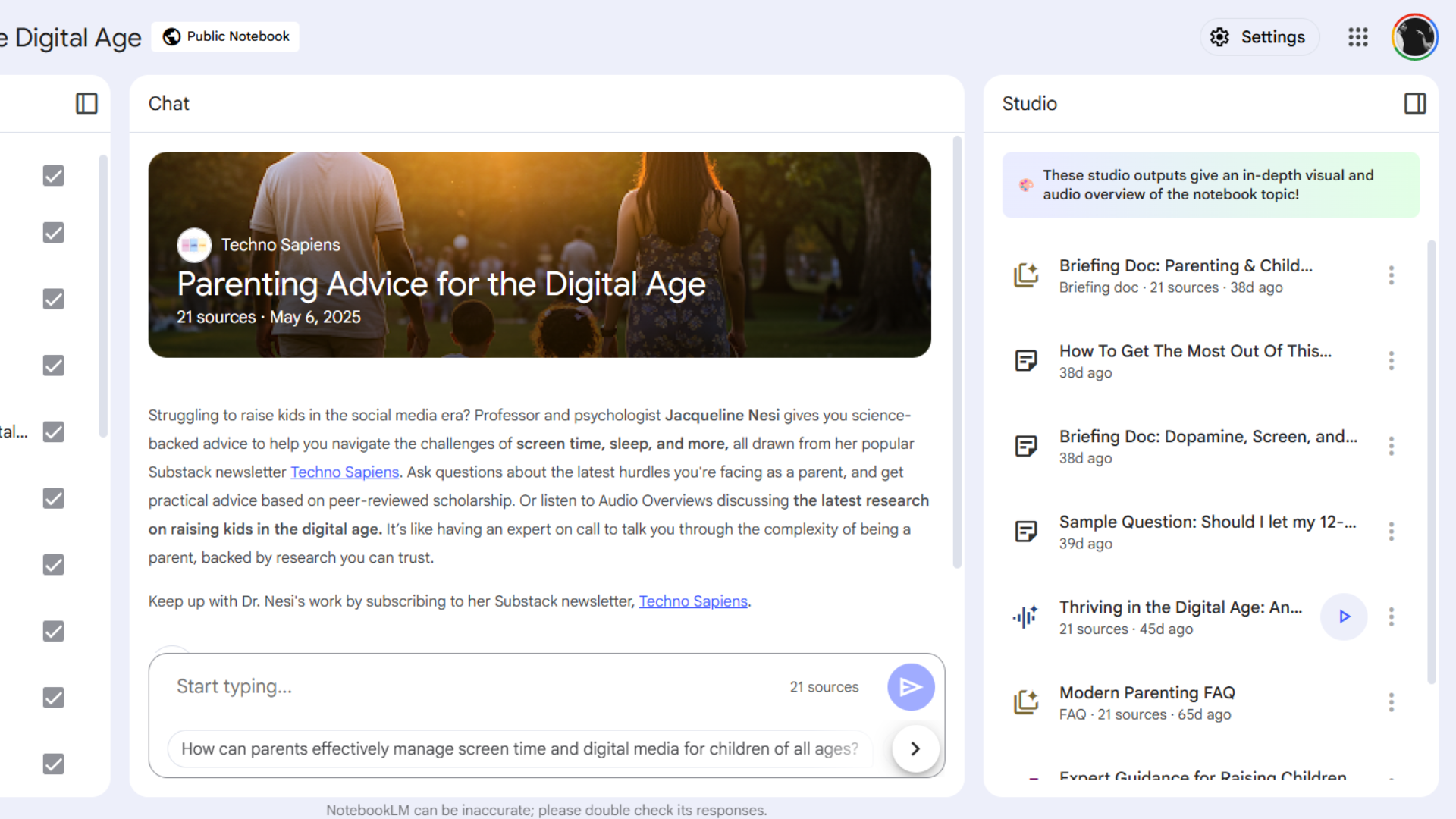
NotebookLM doesn't just present text either. Through features like mind maps, users can break down complex material into a visual structure that's easier to grasp. For learning video production teams, this capability is crucial. Material that's typically dense, full of technical jargon, or layered with multiple concepts can be distilled into core points ready to be visualized.
In practice, NotebookLM can significantly support the pre-production stage of learning video production. For instance, when a creative team needs to build a storyboard from a thick training module, NotebookLM can be used to highlight key sections, summarize the core discussion, and even produce an early visual representation in the form of a concept map. The result is a faster process for translating material into visual form, one that stays accurate to the original source.
In other words, if LLMs like ChatGPT are widely used for exploring ideas or drafting an initial script, NotebookLM can serve as a strategic companion for digging deeper into the source material, ensuring the resulting learning video content is substantively accurate. Combining the two allows production teams to create learning videos that are both engaging and accurate.
Having produced more than 1,000 learning multimedia pieces, Monkey Melody understands that every company faces different challenges and goals. That's why we offer a tailored approach to ensure every video we create achieves the intended training outcomes. By combining the latest technology with a creative approach, we're ready to help your company navigate the training challenges of the future.
More insights
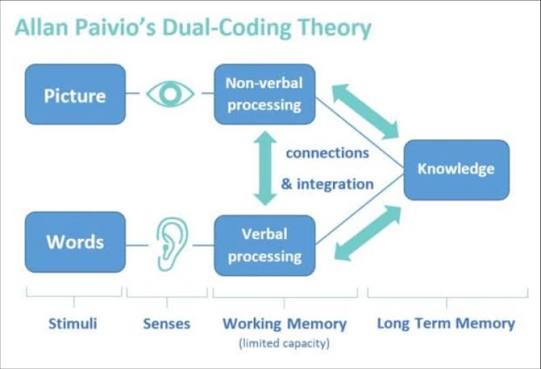
Research on Interactive Video Among Biology Students
The use of video as a self-paced e-learning medium has become standard practice in corporate training programs and higher education.
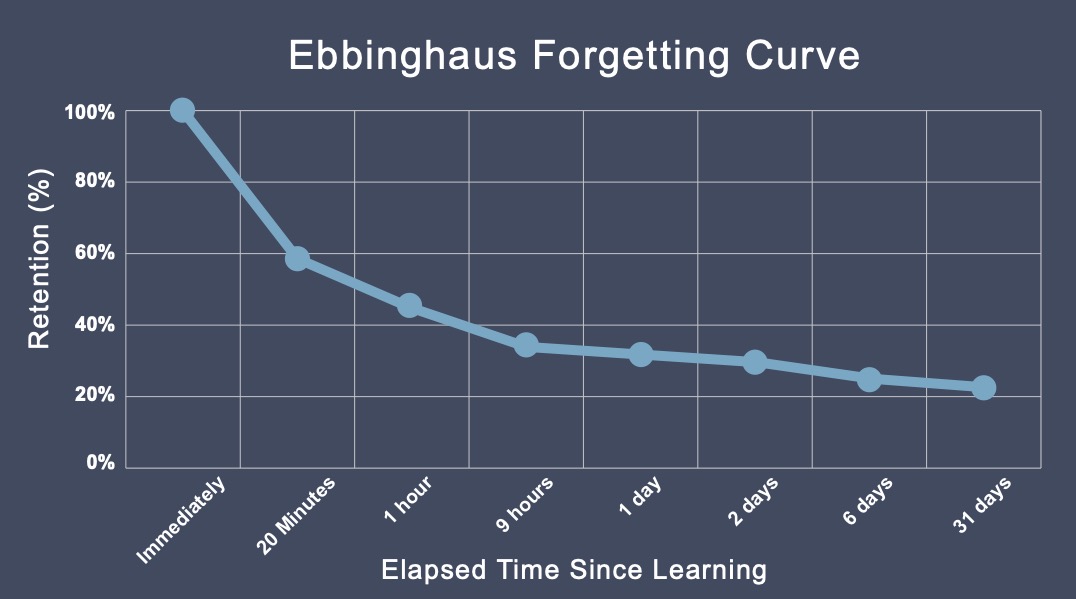
The Science Behind Why Microlearning Works
A single long training day often fails because it fights how the brain actually works — see how microlearning, the Forgetting Curve, and spaced repetition make material actually stick.
How AI Video Search Is Transforming Corporate L&D
Thousands of hours of training video pile up in your company's LMS, hard to search once a program ends — see how AI Video Search is changing the way L&D teams find specific moments buried in that dark data.
Want the short version, applied to your company?
Let's talk about what this means for you.
Get in touch