
Why Easing Cognitive Load Means Breaking Up Videos and Balancing Information
Ever watched the videos inside a LinkedIn Learning course? They tend to be short. The platform usually breaks a single main topic into several short videos. Each one…

The Segmenting Principle: Learning Better, Little by Little
Ever watched the videos inside a LinkedIn Learning course? They tend to be short. The platform usually breaks a single main topic into several short videos. Each one runs just a few minutes, yet feels dense and easy to follow.
Interestingly, this strategy lines up with two key principles from Richard E. Mayer's Cognitive Theory of Multimedia Learning: the Segmenting Principle and the Redundancy Principle.
The Segmenting Principle holds that people learn more effectively when material is delivered in small chunks, or segments, rather than one long, continuous stream. When a learning video is too dense, our brain can become overloaded while trying to process the information, which actually reduces comprehension. By breaking material into several short segments, learners can focus on one concept at a time, process it, and only then move on to the next part.
For L&D teams at companies, this principle is worth keeping in mind when designing video learning modules. Complex material, such as explaining a work process or a technical procedure, should ideally be broken into several parts that can be watched in stages.
At Monkey Melody, we apply the Segmenting Principle by breaking down complex material into shorter, more focused sections, so learners can absorb information gradually. In the early stage, after studying the material thoroughly, we restructure the script around this principle.
The Redundancy Principle: Don't Overload the Screen with Visual Elements
Beyond breaking up videos, LinkedIn Learning also avoids screens packed with text. Most of the explanation comes through the instructor speaking aloud, while the visuals simply support it. This lines up with the Redundancy Principle, which holds that showing graphics, narration, and long text all at once can actually get in the way of learning.
When the eyes have to read text while also processing animation or images, our visual channel gets overloaded. As a result, focus shifts from understanding the content to simply keeping up with what's on screen.
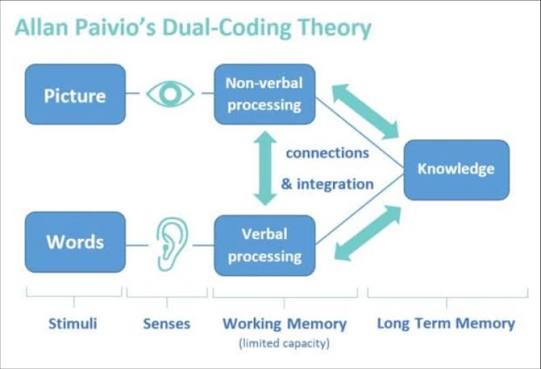
Why does this happen? Because the human brain has two main processing pathways: a visual pathway, which handles images, text, and motion, and an auditory pathway, which handles sound or narration. When animation and long text appear together, both enter through the visual pathway. The result is visual overload, where our visual channel gets too busy handling two things at once. The brain ends up spending more energy navigating the display than actually understanding its content.
By contrast, if we only show graphics alongside spoken narration, the brain's workload becomes far more balanced. The visual channel focuses on images and animation, while the narration comes in through the auditory channel. That combination makes it easier for learners to connect words with images.
Ultimately, the Segmenting Principle and the Redundancy Principle both point to the same thing: understanding how the human brain processes information. In a corporate training context, these two principles help L&D teams design learning videos that are genuinely effective at helping employees understand the material.
By breaking content into small segments and presenting information in a balanced mix of audio and visuals, learning becomes more focused, less draining, and easier to remember. These principles can go a long way toward building truly effective learning videos.
Having worked on more than 1,000 learning multimedia projects, Monkey Melody understands that every company faces different challenges and goals. That's why we offer a tailored approach to ensure every video we create achieves its intended training objective. By combining the latest technology with a creative approach, we're ready to help your company meet the training challenges of the future.
More insights
Research on Interactive Video Among Biology Students
The use of video as a self-paced e-learning medium has become standard practice in corporate training programs and higher education.
The Science Behind Why Microlearning Works
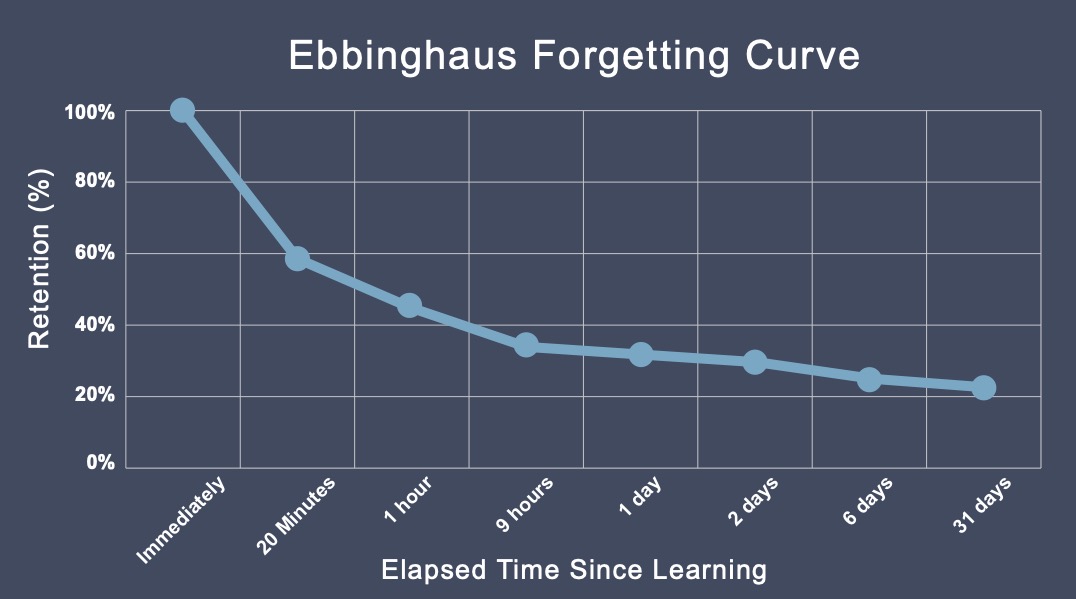
A single long training day often fails because it fights how the brain actually works — see how microlearning, the Forgetting Curve, and spaced repetition make material actually stick.

How AI Video Search Is Transforming Corporate L&D
Thousands of hours of training video pile up in your company's LMS, hard to search once a program ends — see how AI Video Search is changing the way L&D teams find specific moments buried in that dark data.
Want the short version, applied to your company?
Let's talk about what this means for you.
Get in touch