
Just How Important Are Set and Props in a Learning Video?
Think back to a training video you've watched. What stood out to you the most? Chances are it was the presenter's explanation, the on-screen text, or maybe the animation. The set or props…

Effective Set & Props Help Reduce Cognitive Load
Think back to a training video you've watched. What stood out to you the most? Chances are it was the presenter's explanation, the on-screen text, or maybe the animation. The set or props probably didn't register much at all.
A backdrop in a video is a bit like background music: rarely noticed, but always felt. When watching a learning video goes smoothly and you can follow it from start to finish without getting distracted, there's a good chance that elements like music, props, and set are doing their job well and aren't pulling focus away.
In cinematic filmmaking, production design is a very deliberate art. Every wall color, every object on a table, every angle of a room is chosen to tell a story. In corporate learning videos, the scale is obviously different, but the underlying principle still holds: the visual environment on screen is never truly neutral to how a viewer perceives it.
Research in cognitive psychology shows that the surrounding visual environment directly affects the brain's working capacity. A study cited by Fred Paas and Jeroen van Merriënboer in the journal Current Directions in Psychological Science found that children who studied in overly decorated rooms actually performed worse.
That's because part of their working memory gets used up processing irrelevant visual stimuli. This phenomenon is known in cognitive load theory as extraneous load — cognitive load that arises not from the material itself, but from the elements surrounding it.
In the context of a learning video, this load can take the form of visuals that are too busy, inconsistent, or simply out of step with the content. Without learners even realizing it, this load eats into their capacity to concentrate. The result: they feel more fatigued, struggle to absorb information, and so on.
Why Visual Fit Matters
If the wrong backdrop can get in the way, the right one can make the learning process feel more natural. This is where the concept of situated learning from Jean Lave and Etienne Wenger becomes relevant.
This theory states that learning is most effective when the learning context mirrors the real-world context in which the knowledge will be applied. In other words, when learners see an environment that's familiar, or at least feels relevant to their working world, it's easier for them to connect the material to real experience. That connection speeds up understanding and strengthens retention.
As an example, we at Monkey Melody once produced a technical training video for PLN covering geothermal engineering — a highly specific topic packed with industry terminology. The production team chose a bold dark-green backdrop, with shelves, safety helmets, and other relevant items visible in the background as props. On the table sat a red toolbox. Taken together, the look felt cohesive and built an environment familiar to the technicians and engineers who made up the learners.
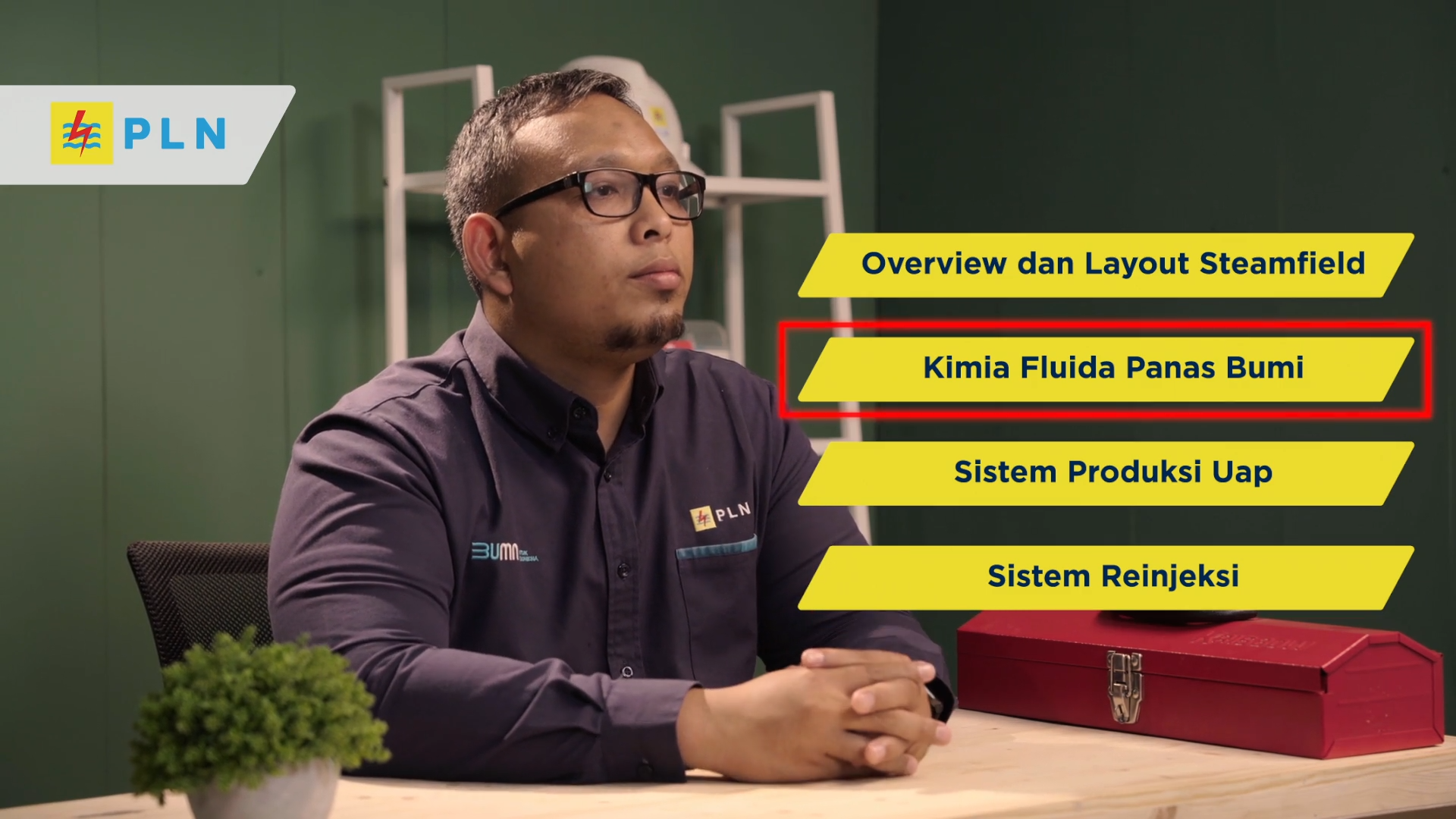
So how about material that's completely different in tone and audience? We once put together a learning video for Nutrifood's Pre-Retirement Preparation program.
In this video, the chosen backdrop was a relaxed living room complete with a soft white sofa, pastel-colored cushions, green plants, a round coffee table, and wood-framed paintings on the wall. The visual tone was warm and felt like home. This backdrop was chosen because material about the transition into retirement calls for a mood that helps participants feel calm and unpressured.

Choosing and designing the backdrop for a learning video is a combination of instructional design decisions and artistic decisions.
Just as an instructional designer thinks through the sequence of material, the cognitive flow, and the relevance of examples, the team responsible for visuals should be asking: does the environment shown on screen help learners feel comfortable, focused, and connected to the material — or does it do the opposite?
For HR teams, L&D teams, or content production managers designing a training video program, start factoring in visual backdrop considerations from the planning stage onward. Discuss the audience profile not only in terms of the material being delivered, but also in terms of the visual world they're familiar with. Make sure someone on the team is specifically responsible for the fit of the set and props. A backdrop rarely gets to be the star of the show, but the right planning around it can go a long way toward making the learning process smoother.
Having worked on more than 1,000 learning multimedia projects, Monkey Melody understands that every company faces different challenges and goals. That's why we offer a tailored approach to ensure every video we produce achieves its intended training objective. With the latest technology and a creative approach, we're ready to help your company navigate the training challenges ahead.
More insights
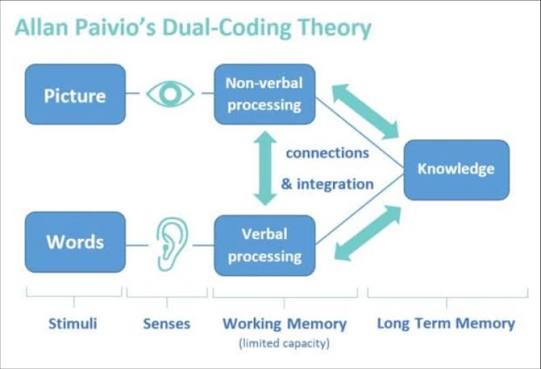
Research on Interactive Video Among Biology Students
The use of video as a self-paced e-learning medium has become standard practice in corporate training programs and higher education.
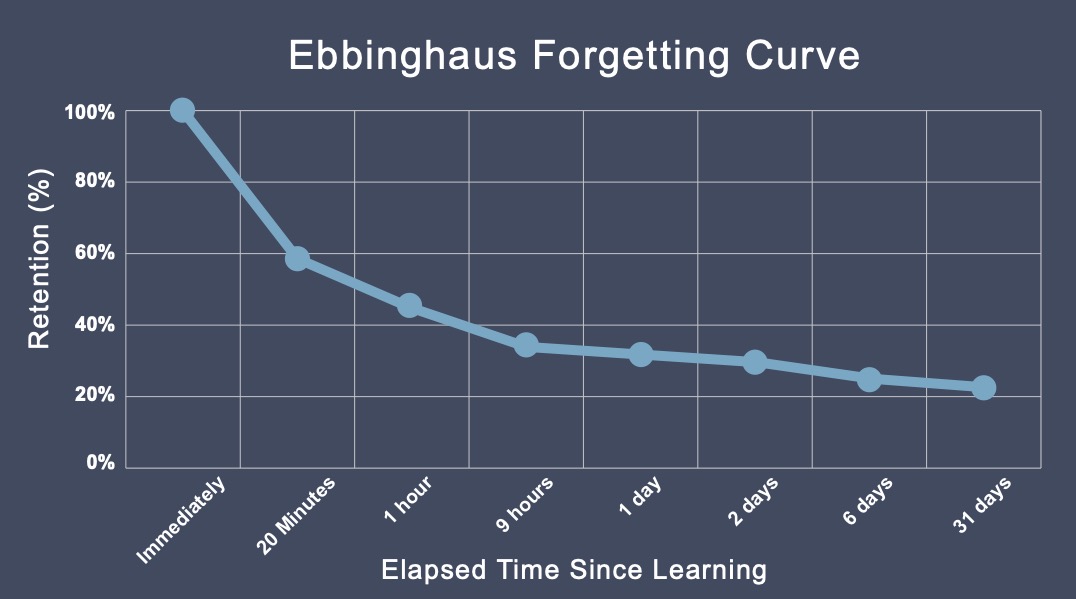
The Science Behind Why Microlearning Works
A single long training day often fails because it fights how the brain actually works — see how microlearning, the Forgetting Curve, and spaced repetition make material actually stick.
How AI Video Search Is Transforming Corporate L&D
Thousands of hours of training video pile up in your company's LMS, hard to search once a program ends — see how AI Video Search is changing the way L&D teams find specific moments buried in that dark data.
Want the short version, applied to your company?
Let's talk about what this means for you.
Get in touch