

The Rise of Skills-Based Approaches
Amid the rapid pace of change in the world of work, skills-based approaches are increasingly being seen as a core strategy for talent development. According to the Udemy Business 2025 Global…

What Is a Skills-Based Approach?
Amid the rapid pace of change in the world of work, skills-based approaches are increasingly being seen as a core strategy for talent development. According to the Udemy Business 2025 Global Learning & Skills Trends Report, 84% of global organizations are now considering implementing a skills-based approach. In fact, 75% of them have already rolled out at least one process built around it.
A skills-based approach is a people development strategy that isn't anchored to degrees, job titles, or tenure, but instead puts skill itself at the center.
Digital transformation, the rise of AI, shifting business models, and the emergence of a more dynamic new generation of workers are all driving this shift. The world of work demands an agile response, and companies can no longer rely on traditional structures.
A skills-based approach offers flexibility. Recruitment teams can find talent that's a fit based on specific skills rather than educational background alone. L&D divisions can design training programs that are more targeted and impactful. And employees get a career path that's more transparent and relevant.
Skill Development & Skill Validation
In practice, there are two main aspects that need attention: Skill Development and Skill Validation.
Skill Development
This is the learning process aimed at building an individual's competence so they can keep up with evolving job demands. It can take the form of internal training, microlearning, cross-functional projects, or digital learning experiences.
There are a few important principles here. For instance, employees need to know why they're learning a particular skill and how to apply it. Personalized feedback also matters, so employees can adjust their learning process accordingly.
Skill Validation
Once someone has developed a new skill, the next step is confirming that the skill has actually been mastered. This validation can happen through competency tests, work portfolios, or project-based assessments.
Skill validation matters because it ensures accountability that training has a real impact, helps management measure the effectiveness of development programs, and gives employees confidence and motivation from tangible achievements.
After producing more than 1,000 learning multimedia pieces, Monkey Melody understands that every company faces different challenges and goals. That's why we offer a tailored approach to ensure every video we create achieves the intended training objective. Using the latest technology and a creative approach, we're ready to help your company tackle the training challenges of the future.
More insights
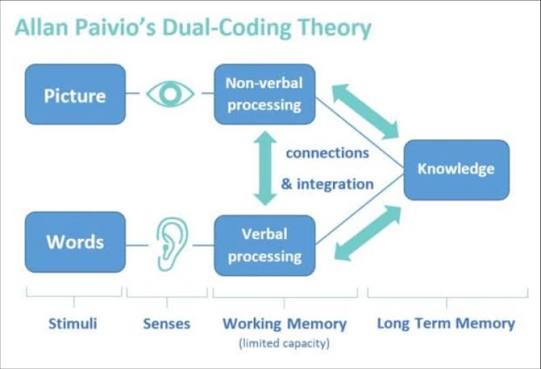
Research on Interactive Video Among Biology Students
The use of video as a self-paced e-learning medium has become standard practice in corporate training programs and higher education.
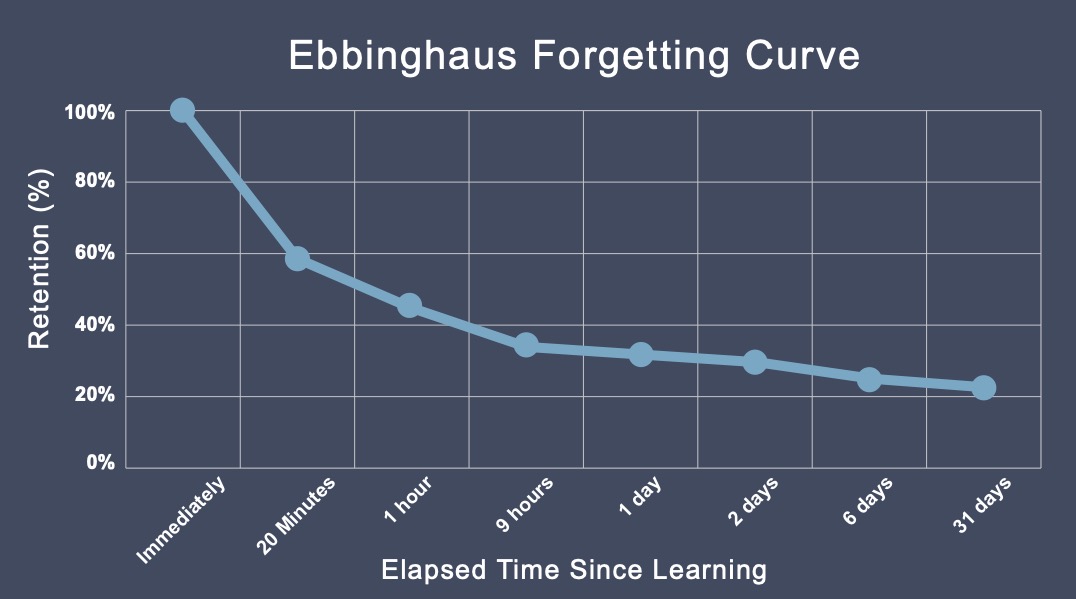
The Science Behind Why Microlearning Works
A single long training day often fails because it fights how the brain actually works — see how microlearning, the Forgetting Curve, and spaced repetition make material actually stick.
How AI Video Search Is Transforming Corporate L&D
Thousands of hours of training video pile up in your company's LMS, hard to search once a program ends — see how AI Video Search is changing the way L&D teams find specific moments buried in that dark data.
Want the short version, applied to your company?
Let's talk about what this means for you.
Get in touch