
A Good Learning Video Starts With a Good Design
A video that looks visually impressive isn't always pedagogically sound. This is where the storyboarder's role becomes crucial. Beyond arranging the design layout, sketching out assets…

Why Multimedia Learning Principles Matter in Storyboarding
A video that looks visually impressive isn't always pedagogically sound. This is where the storyboarder's role becomes crucial. Beyond arranging the design layout, sketching out solid assets, and so on, every scene needs to be designed to facilitate understanding—especially when we're talking about the fundamental concepts that more complex training builds on. If the foundation isn't solid, the structure of knowledge we're trying to build will be shaky. So what exactly needs attention in storyboarding to make a learning video effective?
Research shows that employees' attention span in a digital learning context is quite limited. According to a study from LinkedIn Learning, employees' full attention toward a learning video lasts only about the first 6 minutes on average. After that, their focus starts to drop sharply. That means if we fail to build basic understanding in those first few minutes, participants are likely to struggle keeping up with what follows.
How we arrange visual and verbal information within each scene also plays a big role in whether participants absorb the material or simply get worn out trying to.
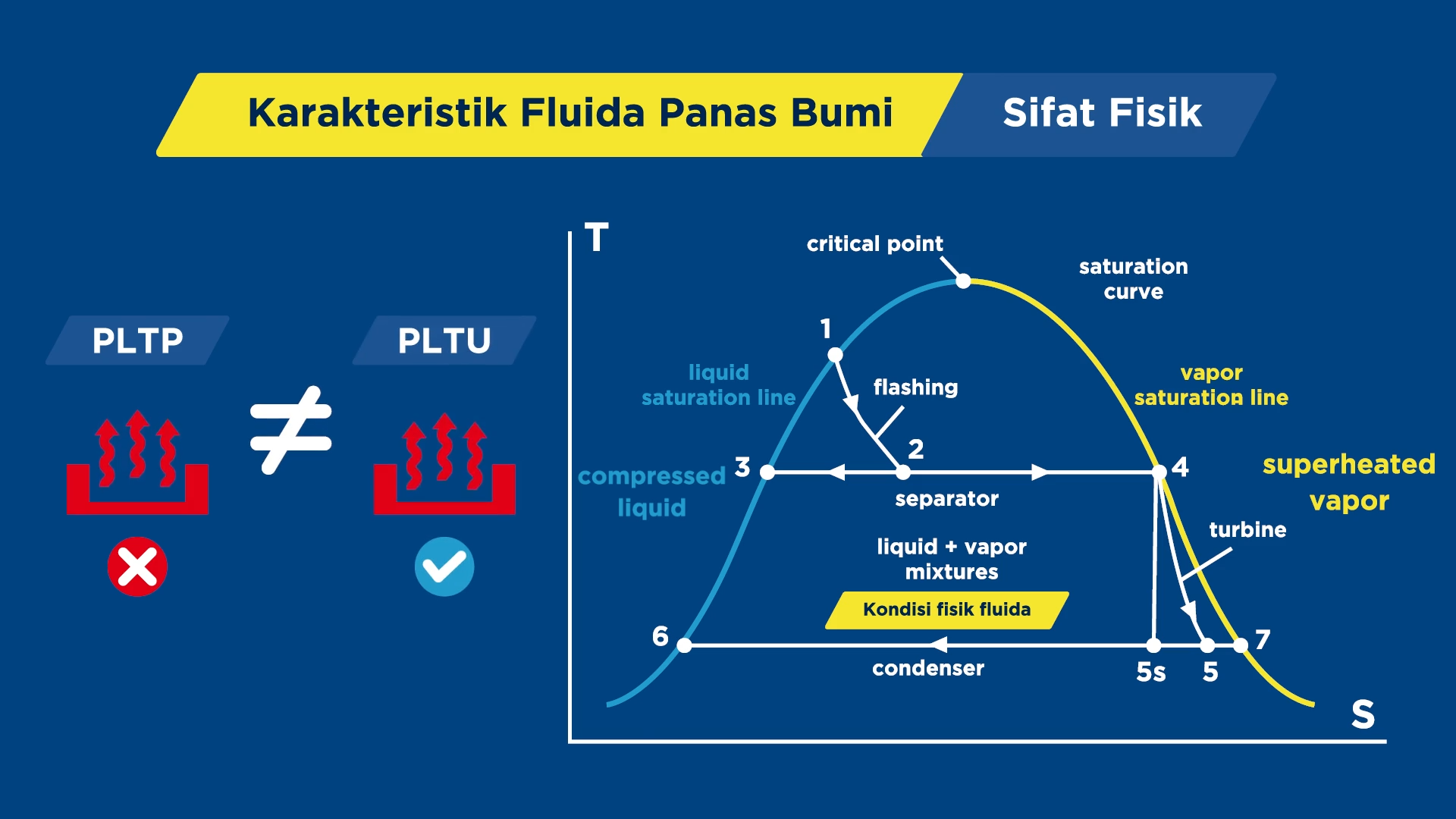
This is where several of Richard E. Mayer's principles come in. The Spatial Contiguity Principle is one key benchmark for building a learning video that's genuinely easy to understand. According to this principle, related text and images need to be placed close together on screen. The goal is for learners to immediately grasp the connection between verbal and visual information without having to hunt for it elsewhere.
Think back for a moment: how many times have you watched a training video with a diagram at the top of the screen, while the explanation sits at the bottom, or even on the next slide? Or narration that says "look at the part marked in red," but the red mark doesn't appear until 5 seconds later? Situations like this force our brain to work overtime just to find and match information that should have already been presented clearly.
Mayer's research shows that when learners have to go back and forth searching for the connection between text and visuals, their cognitive load increases significantly, which can get in the way of learning. Our brains have limited capacity for processing new information. If most of that mental energy gets spent just hunting for and matching visual elements with their explanations, there's no capacity left to actually understand the concept.
Why Creating a Conversational Feel Matters
Another principle proven to keep an audience engaged is the Personalization Principle, a concept also introduced by Richard E. Mayer. It states that a more personal delivery style actually improves participants' understanding and retention compared to a formal, impersonal style.
Why does this happen? Because when the narration or text in a video sounds or reads like a natural conversation, our brain feels like it's communicating with another person, rather than reading an instruction manual or listening to an official announcement. This makes learners feel more engaged, both emotionally and cognitively—as if they're being walked through it by a more experienced coworker.
Research by Mayer and his colleagues at the University of California shows that participants who watched a learning video with conversational narration scored 20-30% higher on comprehension tests compared to those who watched the formal version. That's a significant number, especially when training hundreds or thousands of employees through a single program.
During the video design stage, we always push scriptwriters to write narration as if they're talking to a coworker, not as if they're writing textbook copy.
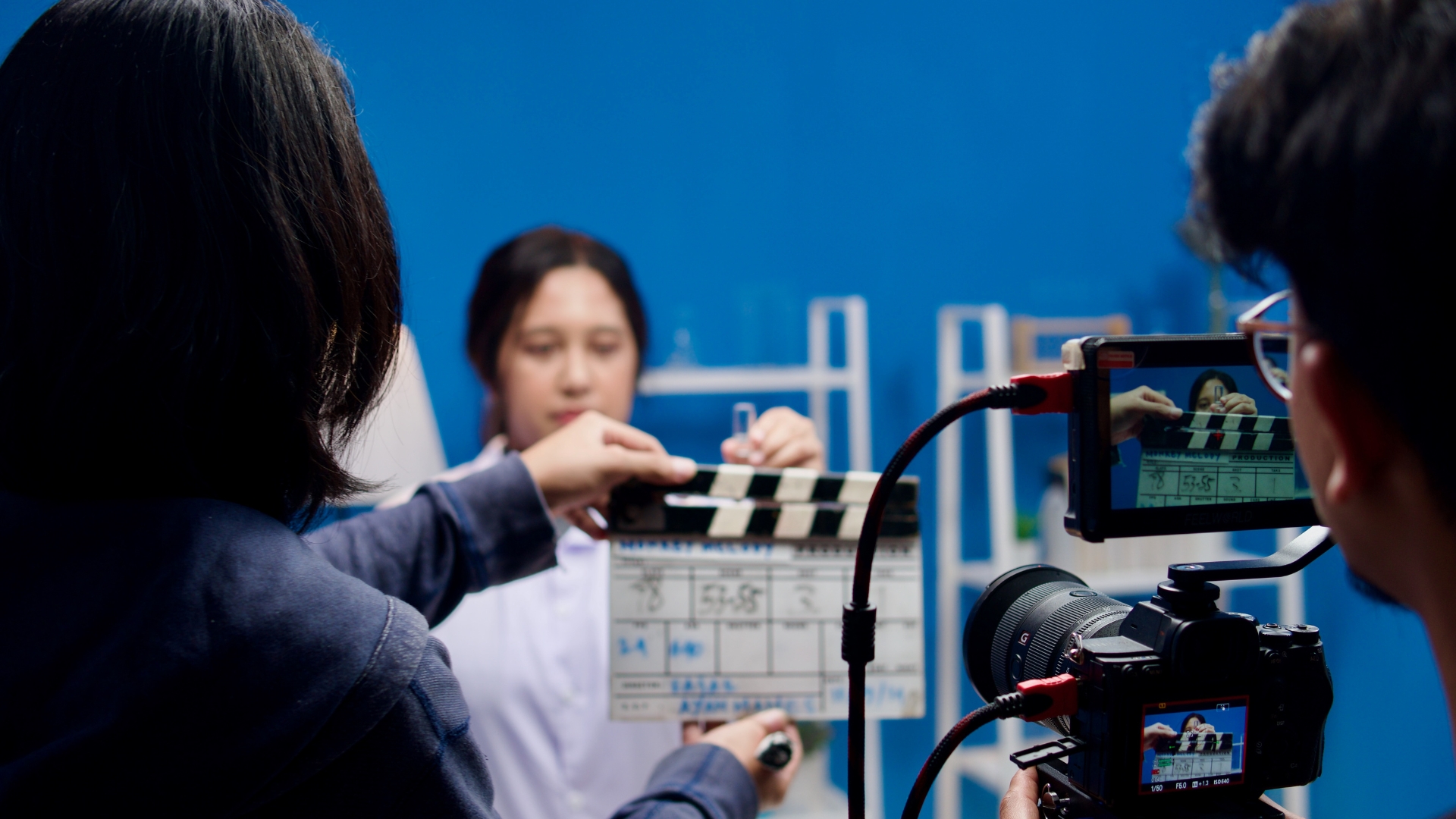
After producing more than 1,000 learning multimedia pieces, Monkey Melody understands that every company faces different challenges and goals. That's why we offer a tailored approach to ensure every video we create achieves the intended training objective. Using the latest technology and a creative approach, we're ready to help your company tackle the training challenges of the future.
More insights
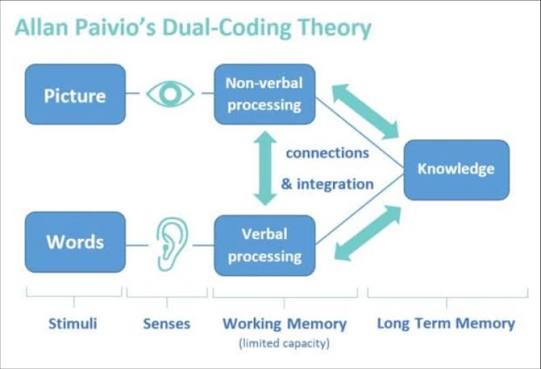
Research on Interactive Video Among Biology Students
The use of video as a self-paced e-learning medium has become standard practice in corporate training programs and higher education.
The Science Behind Why Microlearning Works
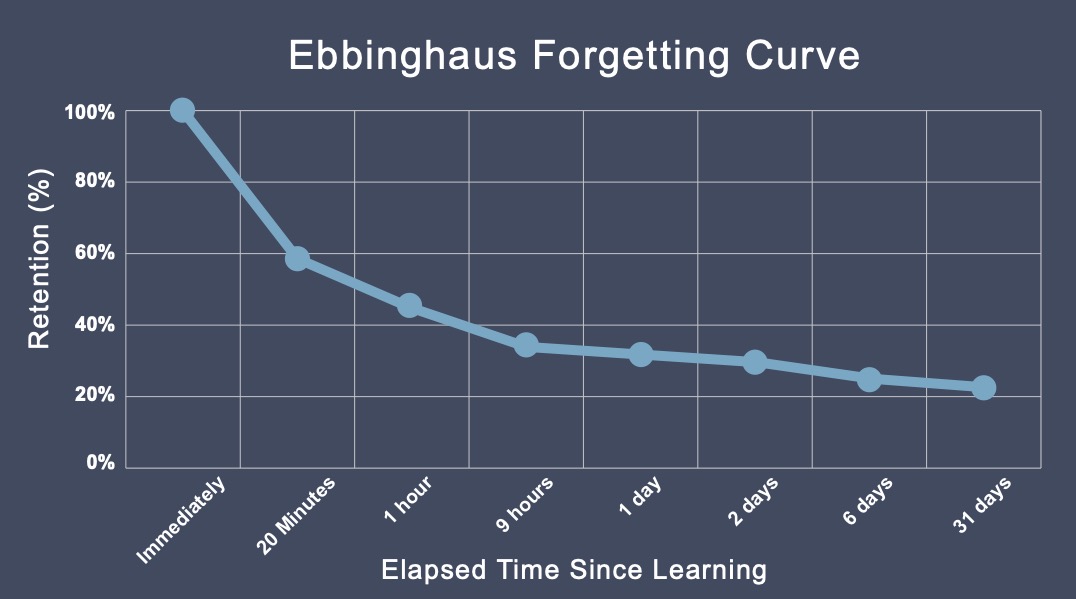
A single long training day often fails because it fights how the brain actually works — see how microlearning, the Forgetting Curve, and spaced repetition make material actually stick.
How AI Video Search Is Transforming Corporate L&D
Thousands of hours of training video pile up in your company's LMS, hard to search once a program ends — see how AI Video Search is changing the way L&D teams find specific moments buried in that dark data.
Want the short version, applied to your company?
Let's talk about what this means for you.
Get in touch