
Coherent Visuals and Audio Lead to Optimal Learning Video Results
According to a global survey conducted by the ILO in 2020, the use of video conferencing and online training rose 6–10% compared to the previous year. Over time, corporate learning…

The Challenge of Converting Corporate Learning Material Into Video
According to a global survey conducted by the ILO in 2020, the use of video conferencing and online training rose 6–10% compared to the previous year. Over time, corporate learning has increasingly shifted toward digitalization. Many companies have started converting document-based training modules into digital formats, one of which is learning video.
The advantages of learning video are beyond question. Employees can learn at their own pace, while companies save time and cost, since the material can be accessed anytime and revisited as often as needed. But this transformation doesn't come without its challenges. One of the biggest hurdles is how to package complex material into video format without overwhelming learners.
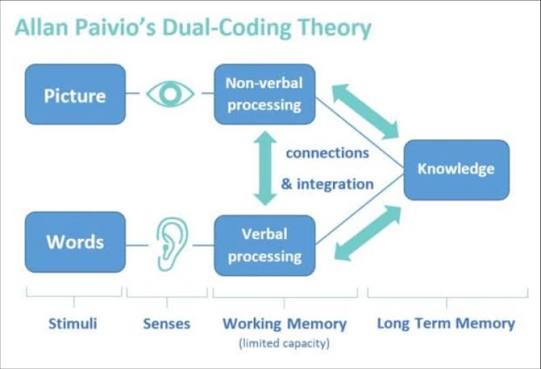
Why does this matter so much? Videos packed with text have proven to be ineffective. Richard E. Mayer's theory lays out several key principles here. The Multimedia Principle states that combining text with visuals improves understanding more than text alone. The Redundancy Principle stresses that excessive text actually burdens cognitive memory. Meanwhile, the Segmenting Principle asserts that content broken into small pieces is easier to learn.
In other words, building a learning video requires the right multimedia design strategy, from how source material gets converted into script and visuals, all the way through editing.
Why Visual and Audio Coherence Matters in Learning Video
Once the content itself is well structured, the next step is making sure the way it's presented on screen supports learner understanding. Visuals and audio are often treated as mere add-ons, when in fact both are critical factors that shape how effective the learning is. When the visuals and sound are aligned with the content, the learning experience becomes clearer, easier to follow, and far more memorable.
Visuals work to reinforce the message. Consistent colors help maintain the material's identity and direct learners' attention. Simple typography keeps text easy to read. Illustrations or icons can condense a long explanation into a brief representation. Subtle animation can guide attention to key points, while excessive animation risks burying the main message. In new employee orientation training, for instance, a workflow shown as a moving diagram is far easier to understand than the same workflow shown as a plain list.
Audio serves to fill in what visuals alone can't fully convey. A clear narrator's voice with varied intonation helps learners stay focused. Monotone narration makes information feel flat, while narration that emphasizes key words gives important sections more weight. Music and sound effects also help tie all the elements together and set the right mood.

In multimedia learning theory, two principles explain why aligning visuals and audio matters so much. The Coherence Principle states that learning material is more effective when presented concisely, without irrelevant information. In other words, overly busy visuals, excessive music, or sound effects that don't support the content actually slow down learning. Learners end up preoccupied with distractions. Conversely, when visuals and audio are chosen carefully in line with the learning objective, learners' concentration holds up better and understanding improves.
In addition, the Temporal Contiguity Principle explains that narration and visuals should ideally appear at the same time, so learners can connect the two without extra effort. If the narration comes first and the visual follows, or vice versa, learners have to hold onto the earlier information before merging it with what comes next. That process adds cognitive load. For example, when a narrator explains the procedure for using a piece of safety equipment, the illustration of that equipment should appear on screen at the same moment, not after the explanation is finished. Aligning the timing of audio and visuals helps the brain build a more complete understanding.

Both principles show that the quality of a video's presentation isn't determined by how beautiful the design looks, but by how relevant and well-aligned each element is with the core message. Visual and audio coherence keeps content simple, clear, and free of distraction, while timing alignment between narration and visuals keeps learners from getting confused and helps them grasp the material as it's explained. The end result is a learning experience that's efficient, enjoyable, and far more memorable.
After producing more than 1,000 learning multimedia pieces, Monkey Melody understands that every company faces different challenges and goals. That's why we offer a tailored approach to ensure every video we create achieves the intended training objective. Using the latest technology and a creative approach, we're ready to help your company tackle the training challenges of the future.
More insights
Research on Interactive Video Among Biology Students
The use of video as a self-paced e-learning medium has become standard practice in corporate training programs and higher education.
The Science Behind Why Microlearning Works
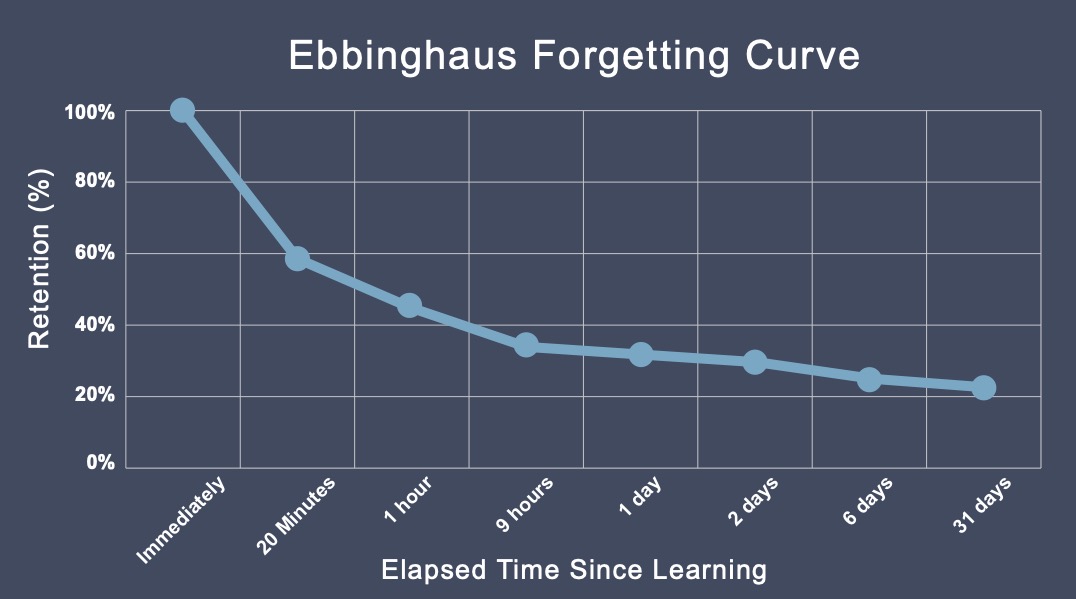
A single long training day often fails because it fights how the brain actually works — see how microlearning, the Forgetting Curve, and spaced repetition make material actually stick.

How AI Video Search Is Transforming Corporate L&D
Thousands of hours of training video pile up in your company's LMS, hard to search once a program ends — see how AI Video Search is changing the way L&D teams find specific moments buried in that dark data.
Want the short version, applied to your company?
Let's talk about what this means for you.
Get in touch