
The More Coherent Every Element of a Learning Video, the Higher Its Effectiveness
At business scale, learning video production has become the leading standard for corporate training platforms supporting employee upskilling and reskilling programs. For material to…

Richard E. Mayer's 12 Principles of Multimedia Learning
At business scale, learning video production has become the leading standard for corporate training platforms supporting employee upskilling and reskilling programs. For material to be absorbed well, the right instructional design strategy needs to be applied.
One important contribution to learning video design comes from a psychology professor named Richard E. Mayer. He developed the 12 Principles of Multimedia Learning, which have become an essential reference for multimedia learning designers. These principles might look fairly basic by today's standards, but back in the late '90s, they paved the way for the effective strategies we use today.
These principles can serve as a reference for applying various learning video elements such as text, images, motion graphics, and so on. We can find plenty of examples of their application across many learning videos, both formal ones like those on the platforms mentioned earlier, and informal ones on social media platforms.
The Coherence Principle
Like a film, a learning video needs to combine various elements in order to achieve its objective. That objective can vary depending on the need, but in general, learners are expected to retain as much as possible from what they've watched.
Among the 12 Principles of Multimedia Learning formulated by Richard E. Mayer is what's known as the Coherence Principle. Coherence here refers to how well the elements within the learning multimedia "connect" with one another.
As it turns out, learning is more effective when only relevant information is included. That means, when creating learning material, both text and visuals need to be aligned and complement each other in support of the learning objective. Additional information or irrelevant content should be avoided, since it can pull learners' attention away from the core message being delivered.
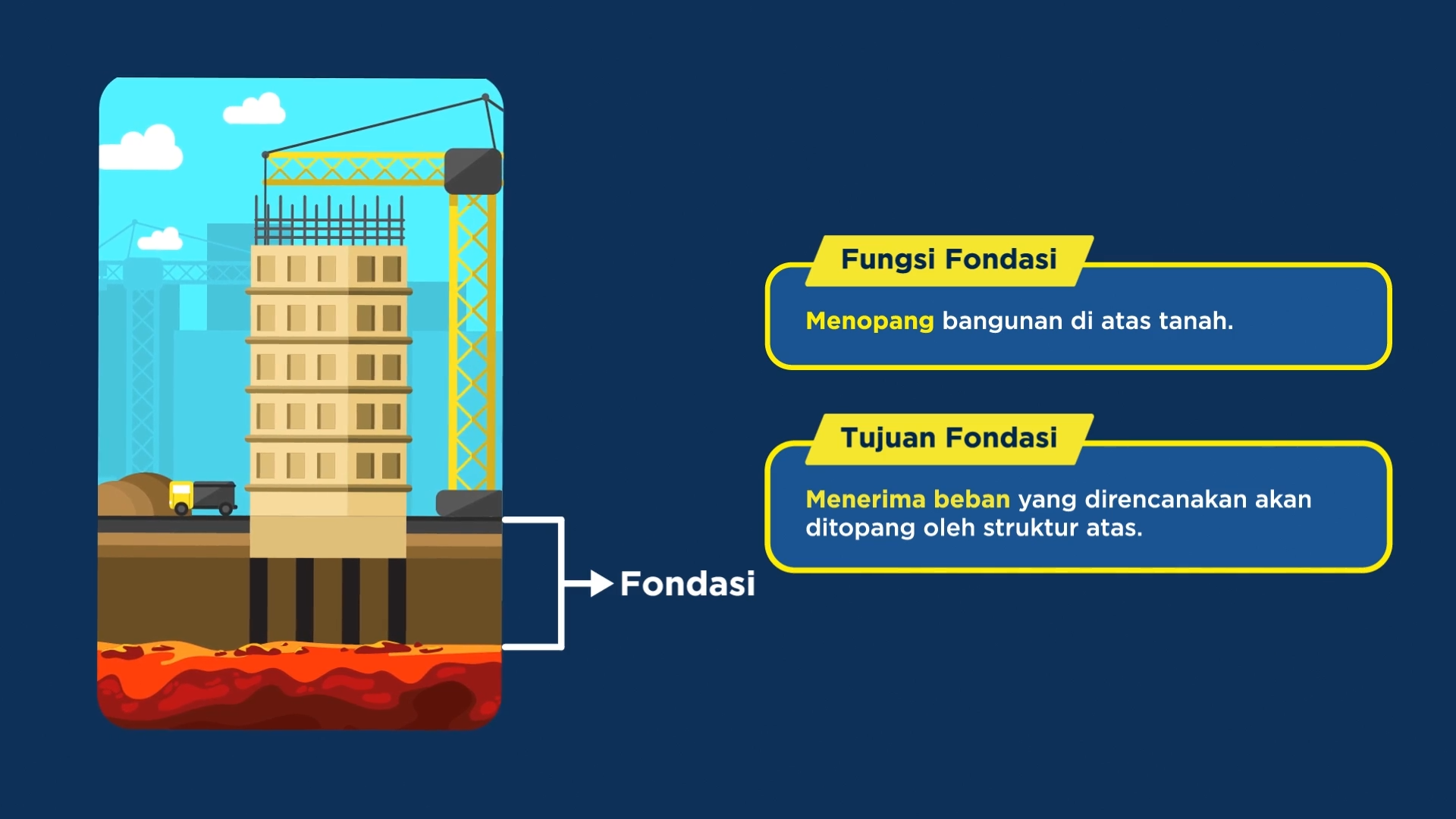
Irrelevant additional information might mean inserting an eye-catching visual that has nothing to do with the topic at hand, or adding text details that don't relate directly to the diagram being discussed.
This principle is often broken because the people putting the video together want to showcase visuals or animation purely for the sake of aesthetics. For certain audiences, that might be a fitting strategy. But it's far better when aesthetics are paired with relevance, so the learning objective still comes through while visuals capture learners' attention.
Beyond that, visuals that are too complex or packed with detail can also confuse learners. It's best to use simple, easy-to-understand graphics that support the material visually, without adding unnecessary complexity.
Monkey Melody understands that every company faces different challenges and goals.
That's why we offer a tailored approach to ensure every video we produce achieves its intended training objective. Ready to transform your company's training materials into effective learning videos or interactive videos?
Contact Monkey Melody now via WhatsApp at +62 812-1954-8155, email info@monkeymelody.com, or through the following link.
More insights
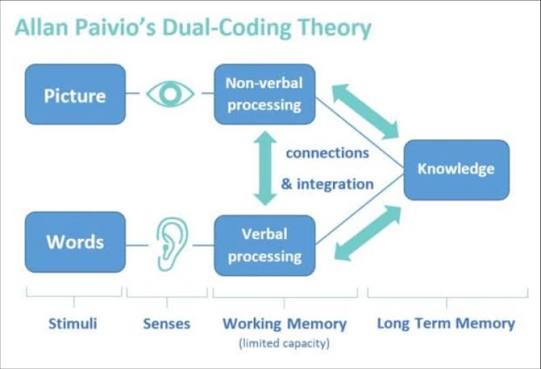
Research on Interactive Video Among Biology Students
The use of video as a self-paced e-learning medium has become standard practice in corporate training programs and higher education.
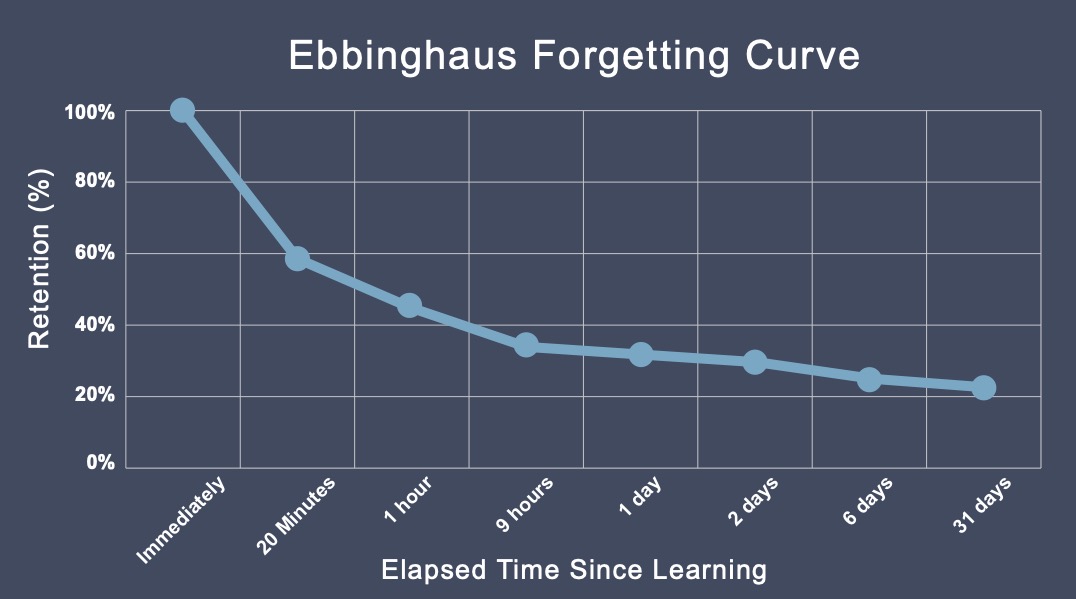
The Science Behind Why Microlearning Works
A single long training day often fails because it fights how the brain actually works — see how microlearning, the Forgetting Curve, and spaced repetition make material actually stick.
How AI Video Search Is Transforming Corporate L&D
Thousands of hours of training video pile up in your company's LMS, hard to search once a program ends — see how AI Video Search is changing the way L&D teams find specific moments buried in that dark data.
Want the short version, applied to your company?
Let's talk about what this means for you.
Get in touch